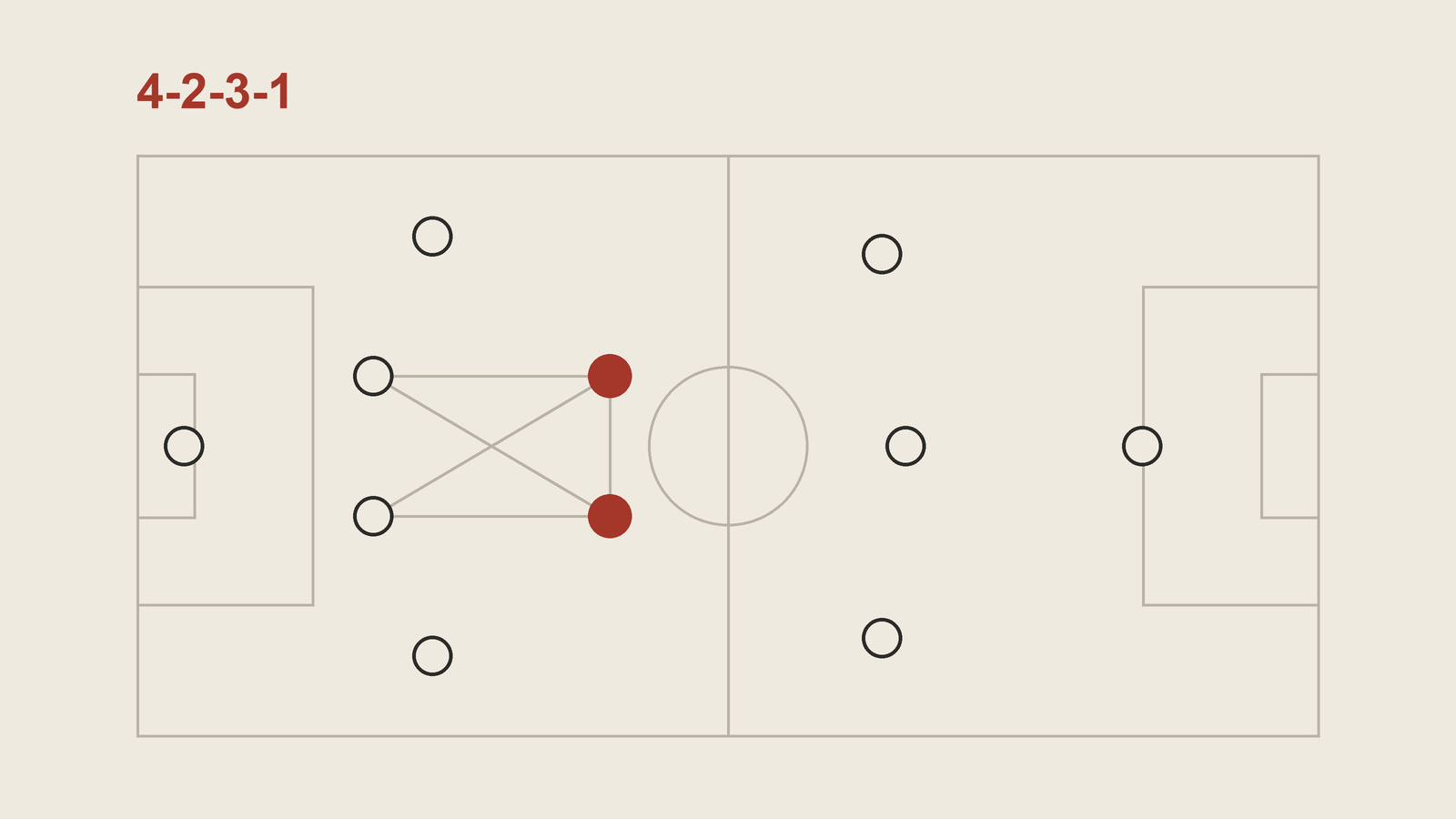
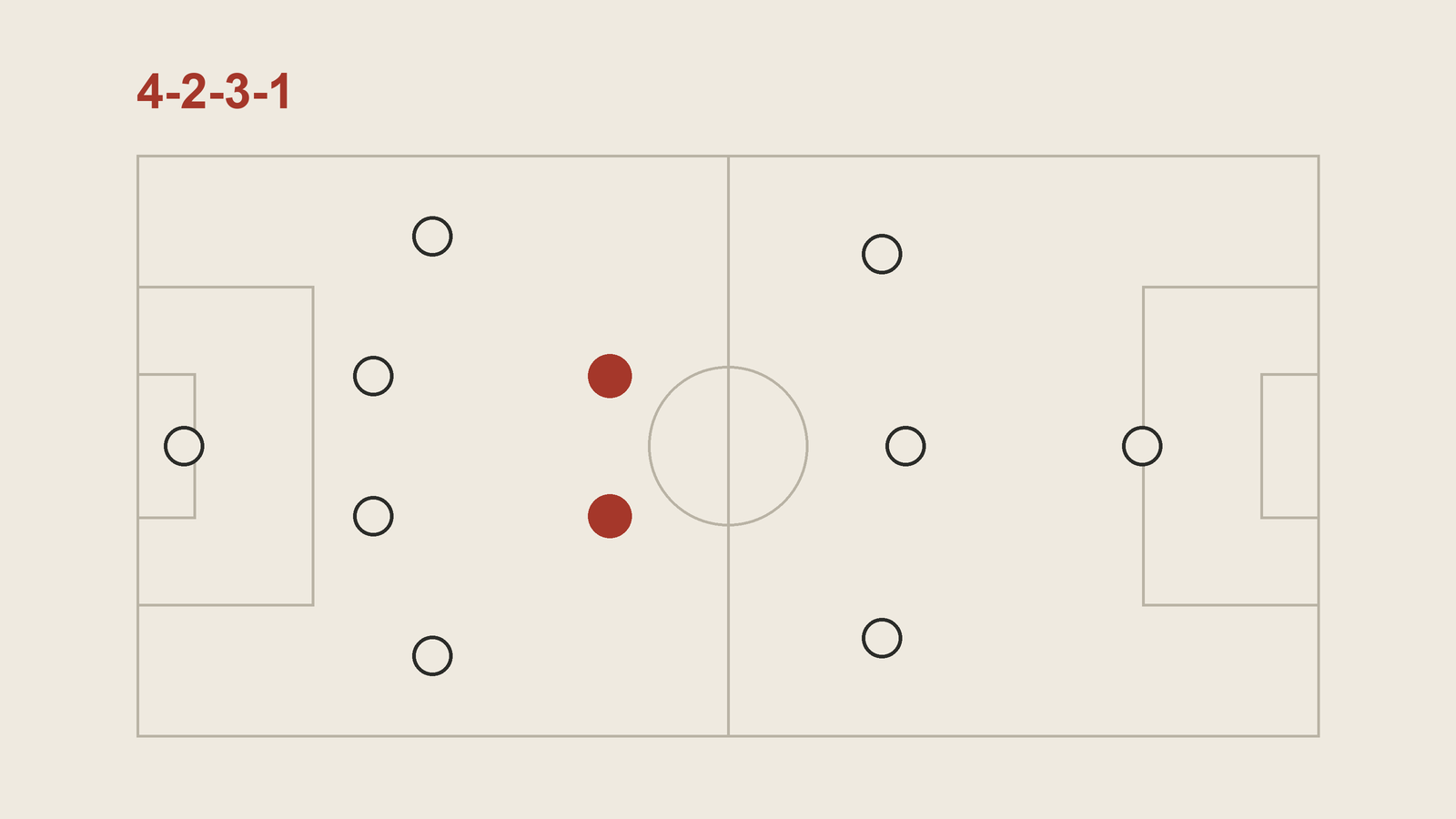
A double pivot is a pair of holding midfielders in front of the defence, most often in a 4-2-3-1. How the two split the work, and how a single pivot differs.
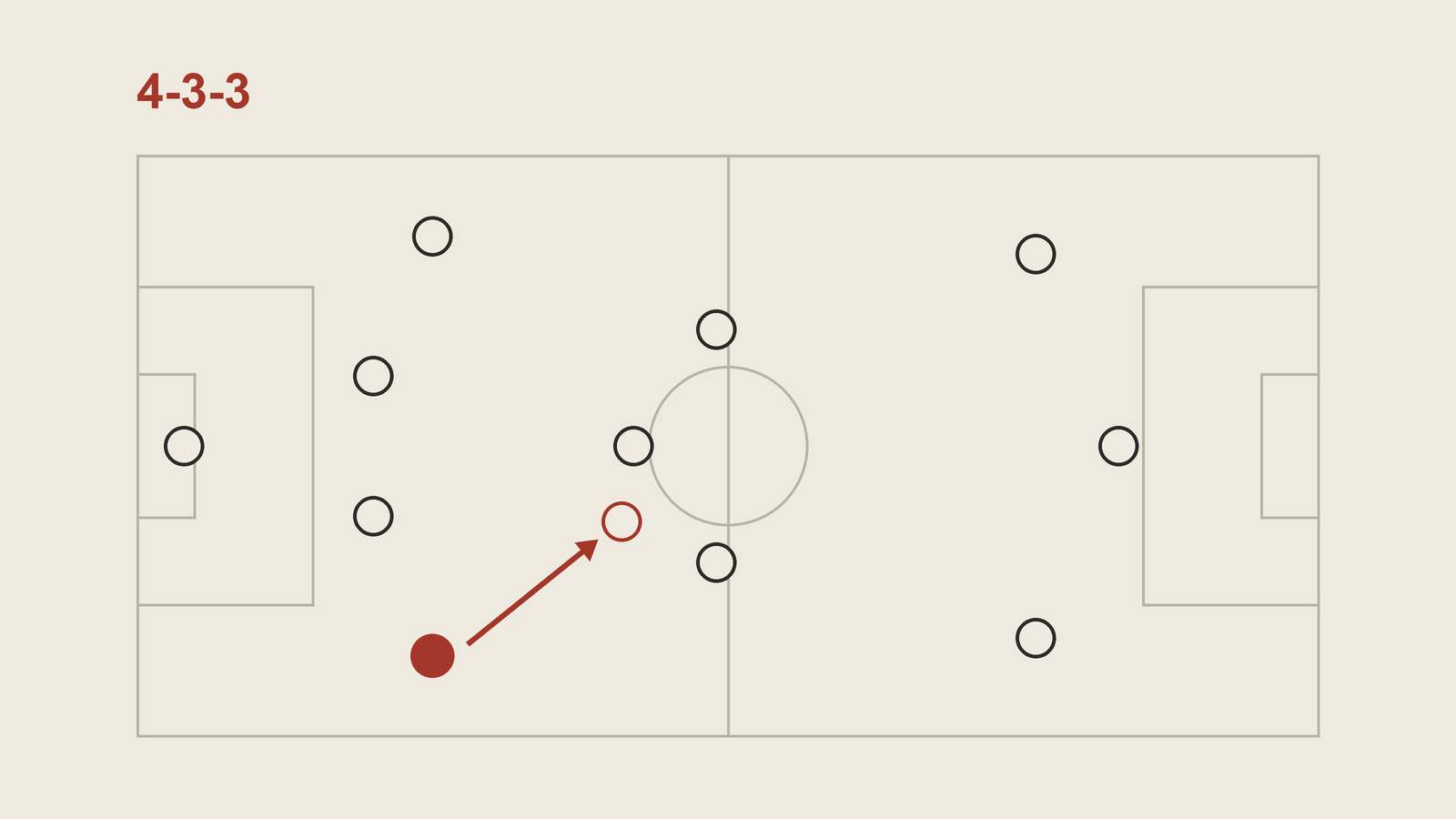
An inverted full-back moves into central midfield in possession instead of overlapping. Why Guardiola's teams use the role, what it protects and what it costs.
A false nine is a centre-forward who drops into midfield instead of staying on the last line. How it works, from Hidegkuti in 1953 to Messi, and what it needs.
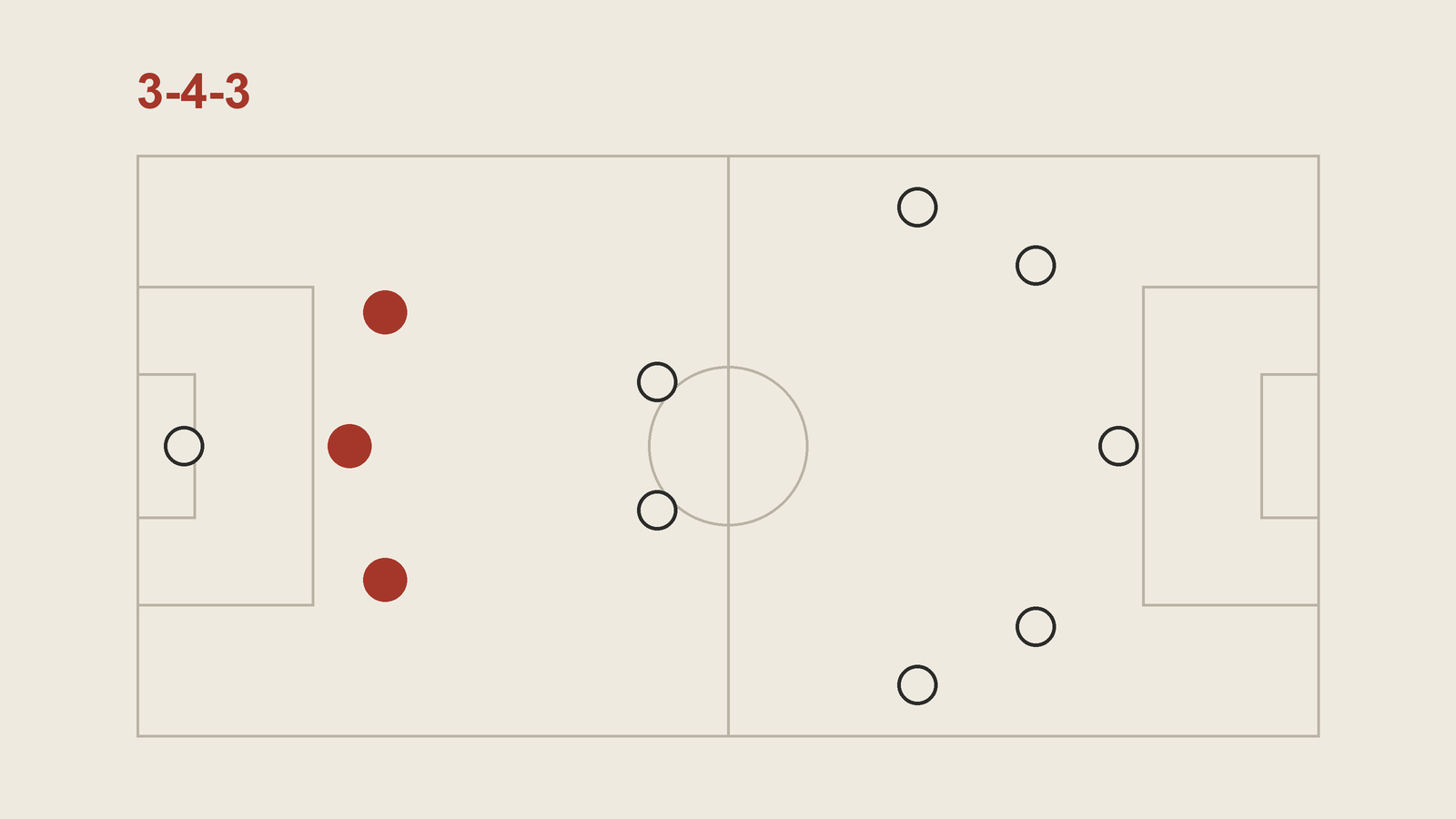
A back three uses three centre-backs instead of two. How 3-4-3 and 3-4-2-1 systems work, why back fours turn into back threes in possession, and what it costs.
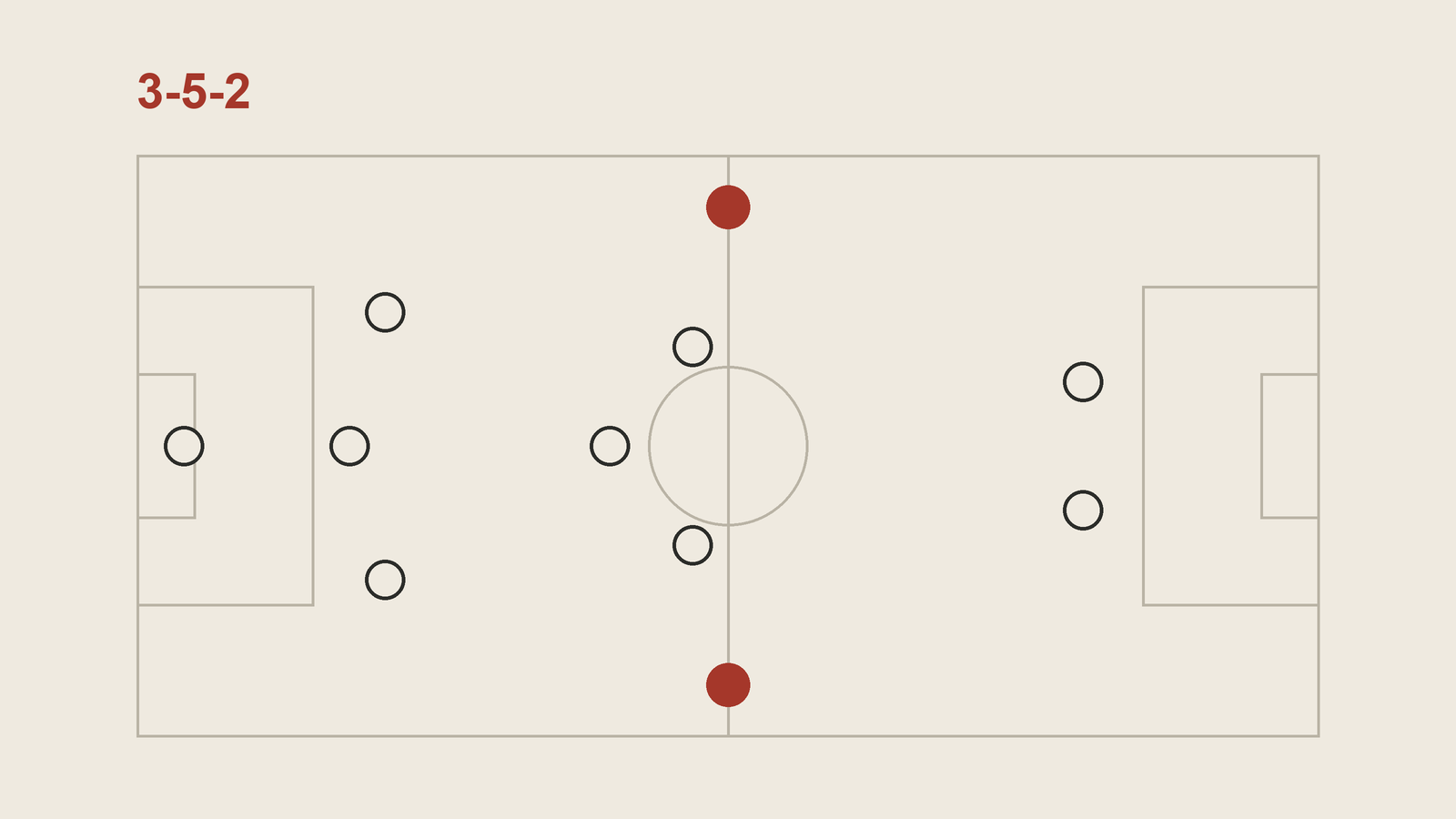
The 3-5-2 plays three centre-backs, two wing-backs, three central midfielders and two strikers. How it attacks and defends, and why the wing-backs decide it.
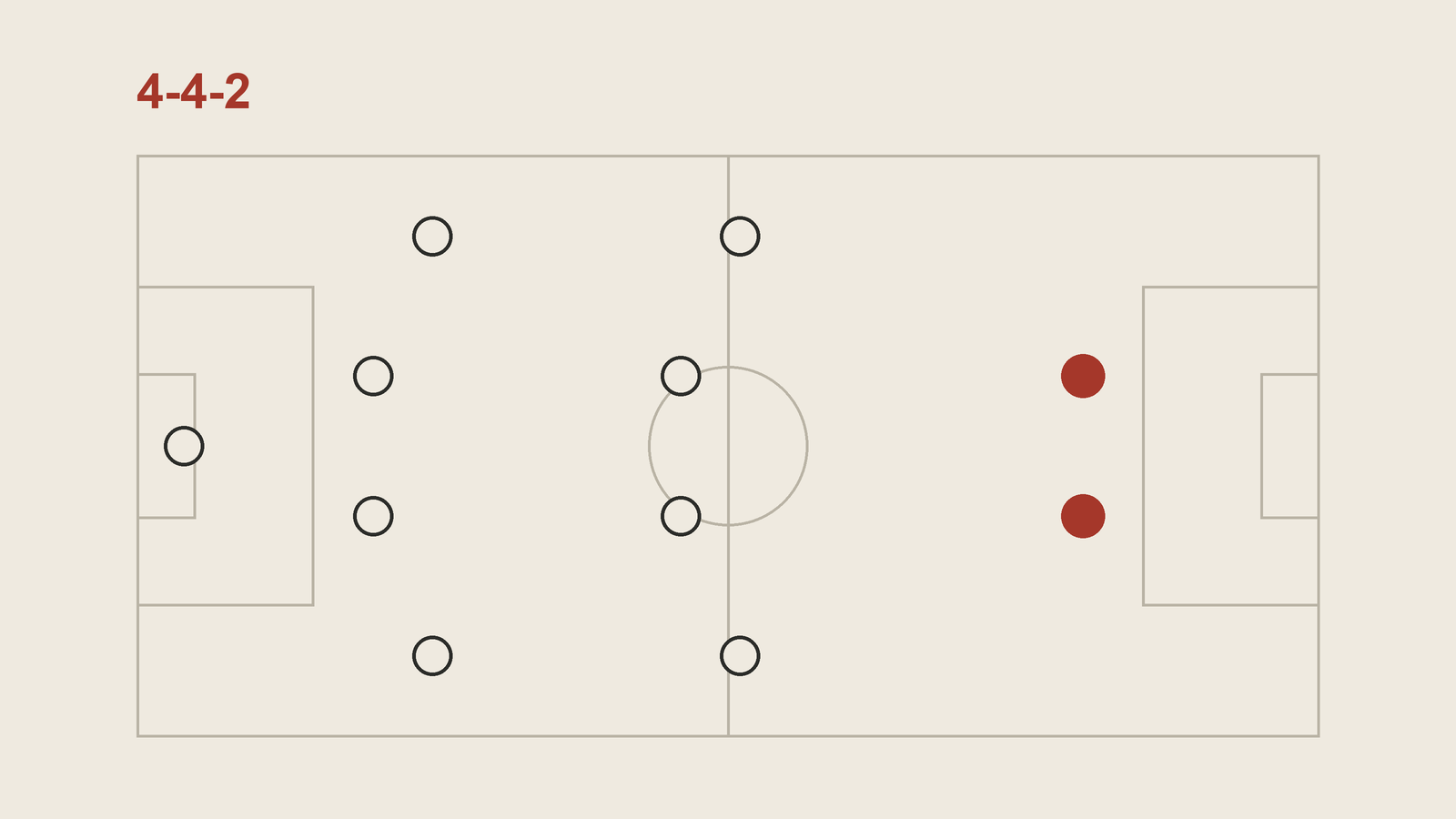
The 4-4-2 sets up four defenders, four midfielders and two strikers in three flat lines. Why it defends so well, where it is outnumbered, and who uses it.
The 4-2-3-1 uses four defenders, two holding midfielders, three attacking midfielders and one striker. How the double pivot and the number ten make it work.
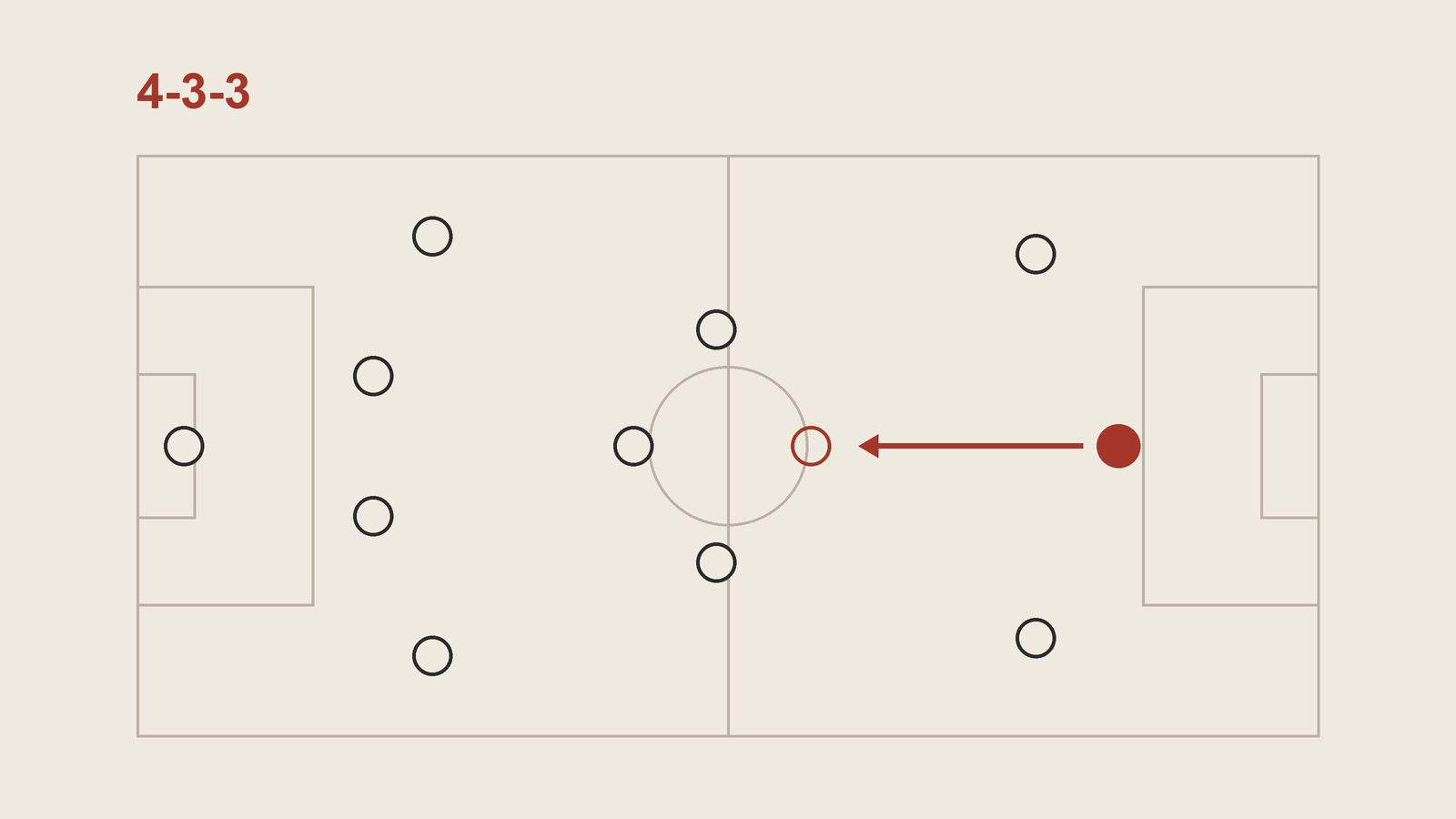
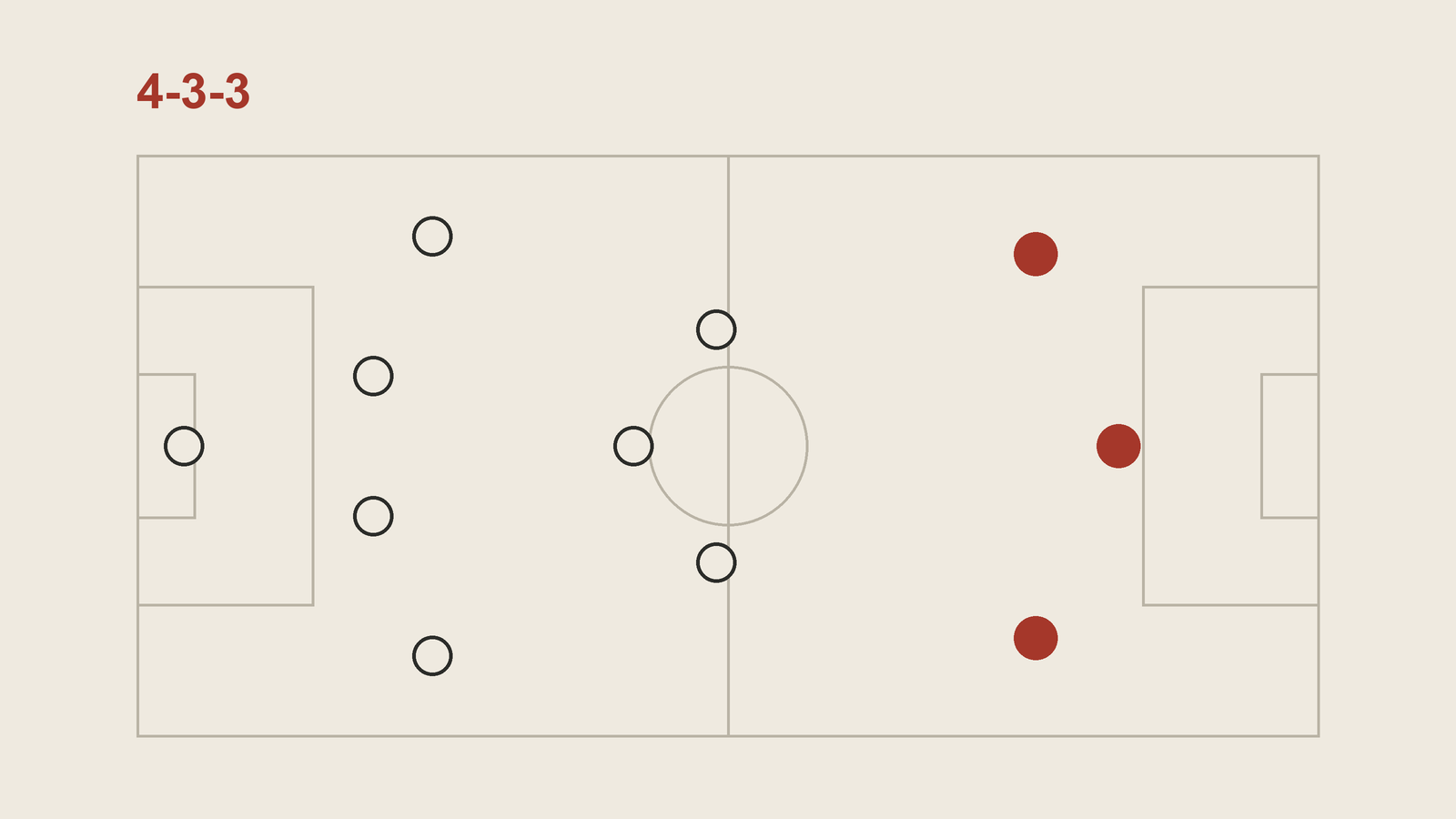
The 4-3-3 lines up four defenders, three midfielders and three forwards. How the single pivot, the two number eights and the wingers work, and where it breaks.
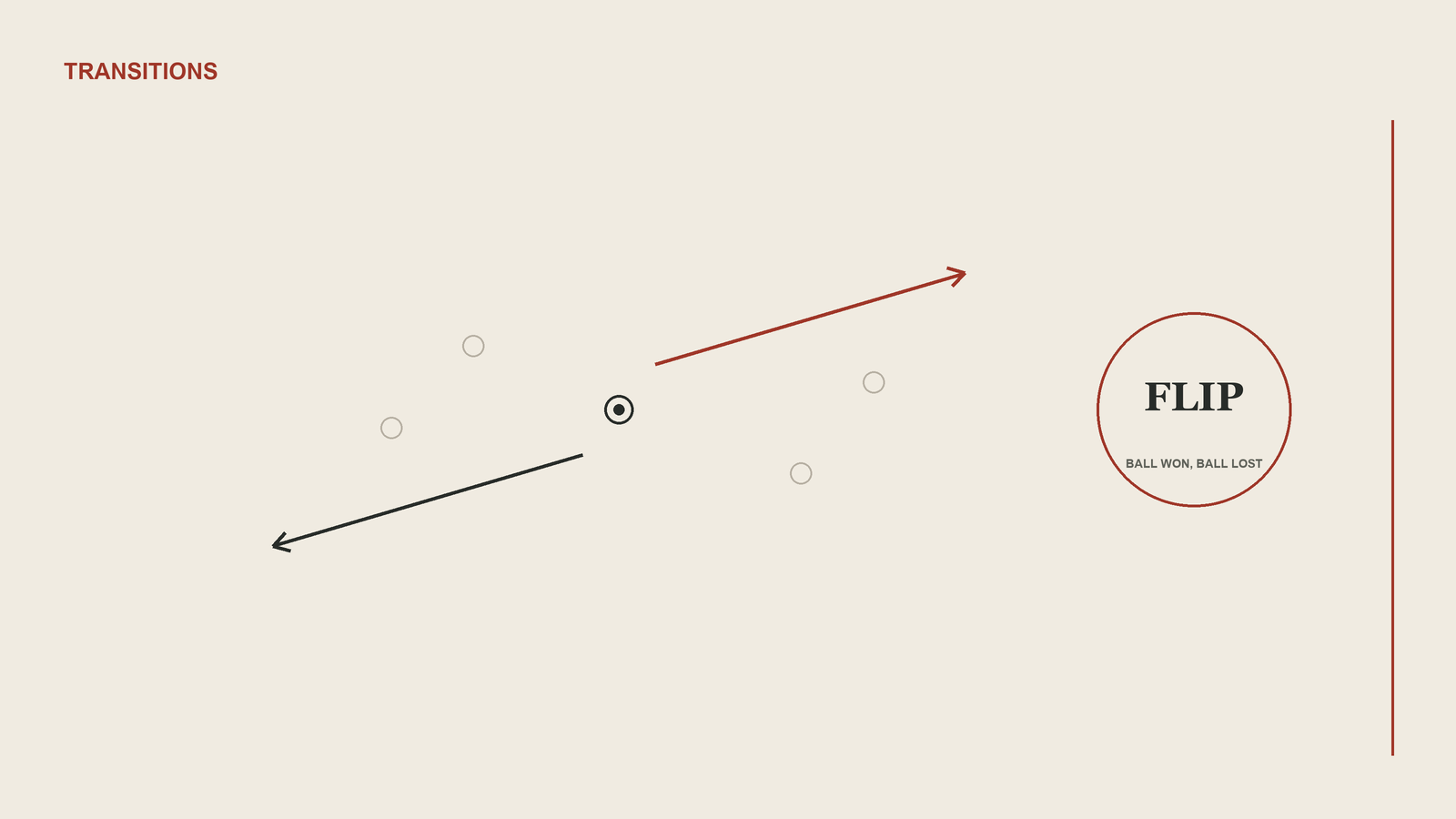
Transitions are the seconds after possession changes hands. Here's why attacking and defensive transitions produce so many chances, and how teams plan for both.
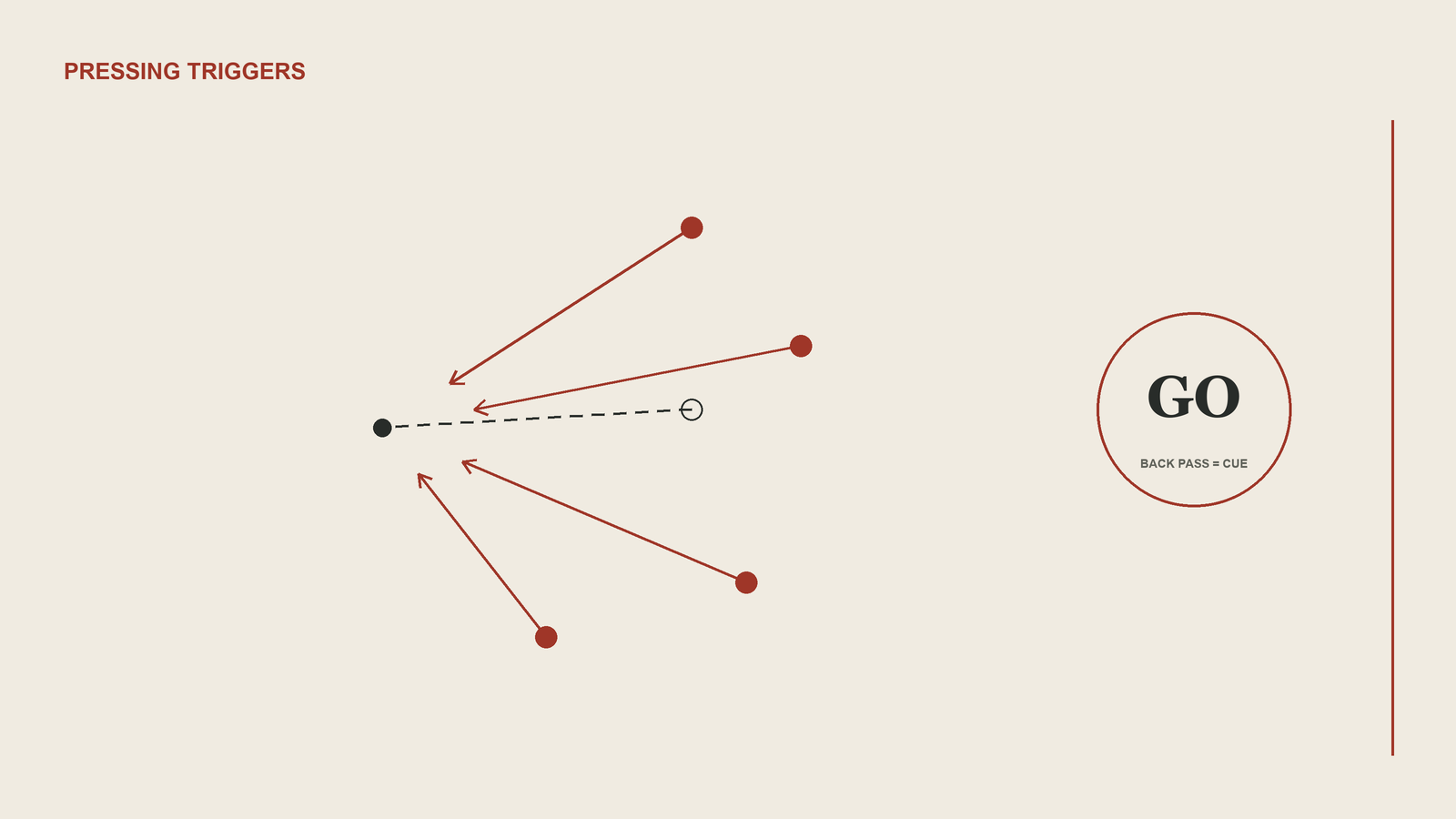
Pressing triggers are pre-agreed cues, like a bad touch or a back pass, that tell a team to press together. Here's how they work and what the stats miss.
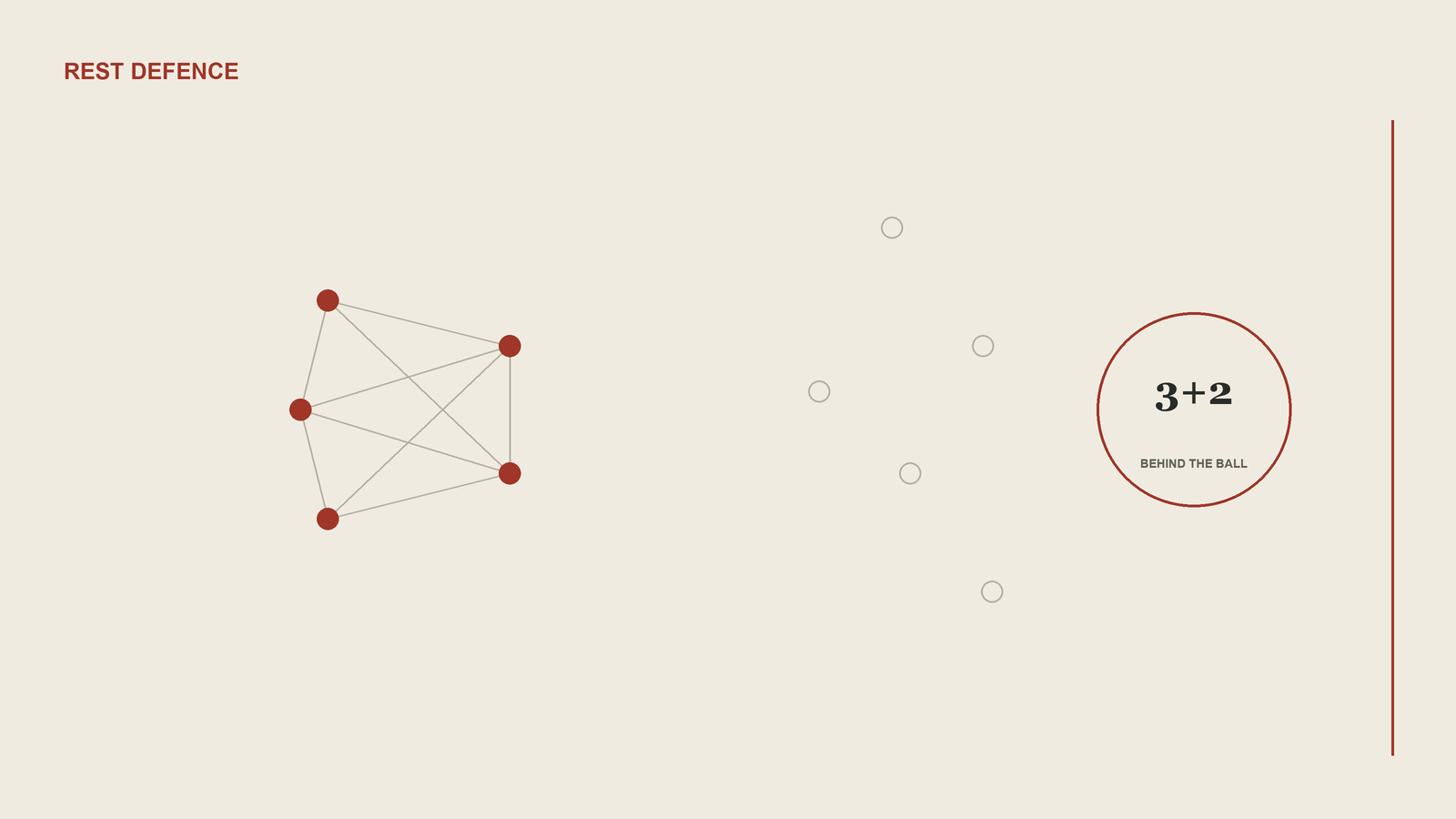
Rest defence is the shape a team keeps behind the ball while it attacks. Here's how 2+1 and 3+2 structures work, how it pairs with counterpressing, and what data shows.