Formations and roles · Analysis
Second striker: the forward who plays off the number 9
A second striker plays off and just behind the main striker, linking midfield to attack and scoring. Role table, diagram, examples and how to spot one.
Formations and roles · Analysis
A second striker plays off and just behind the main striker, linking midfield to attack and scoring. Role table, diagram, examples and how to spot one.
Formations and roles · Analysis
An inverted winger plays on the side opposite his stronger foot and cuts inside to shoot or combine. Role table, diagram, examples and how to spot one.
Formations and roles · Analysis
A poacher is a striker who stays in the box and scores from close range with few touches. Role table, diagram, examples and how to spot one.
Formations and roles · Analysis
A target man is a tall, strong striker who wins long balls, holds the ball up and brings team-mates in. Role table, diagram, examples and how to spot one.
Formations and roles · Analysis
A sweeper-keeper plays far off his line to clear balls in behind a high defensive line and joins the build-up. Table, diagram, examples and history.
Formations and roles · Analysis
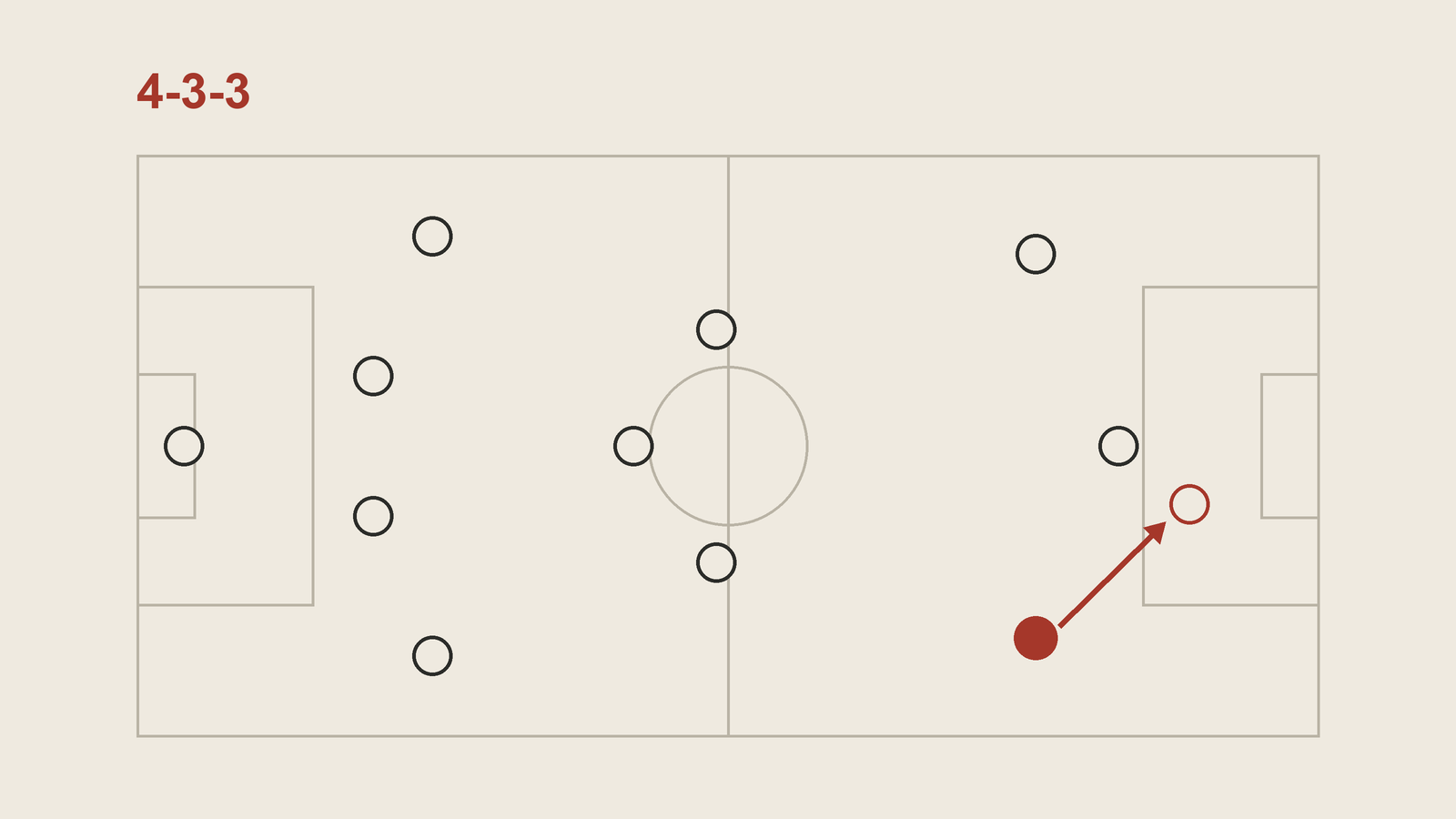
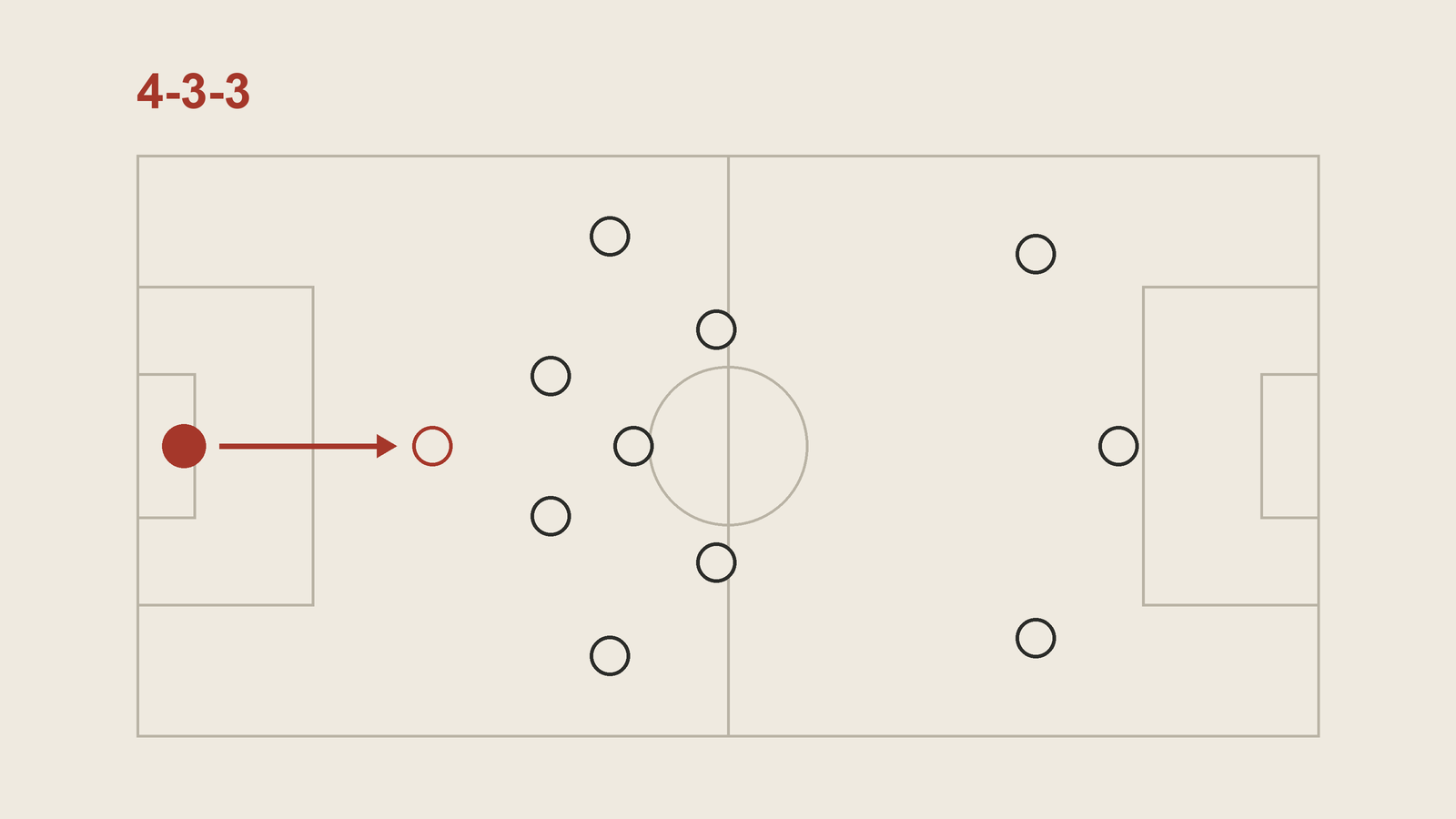
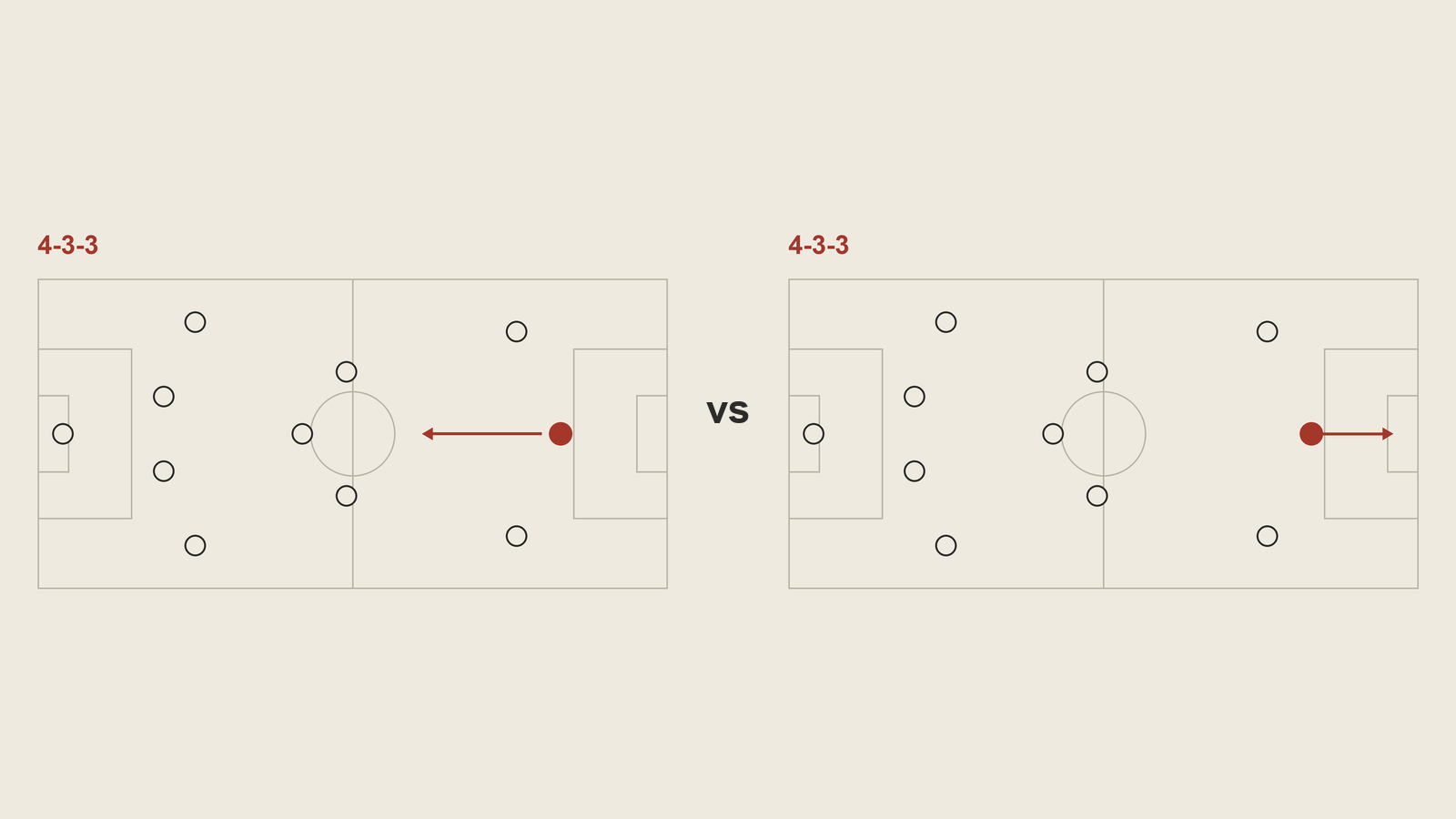
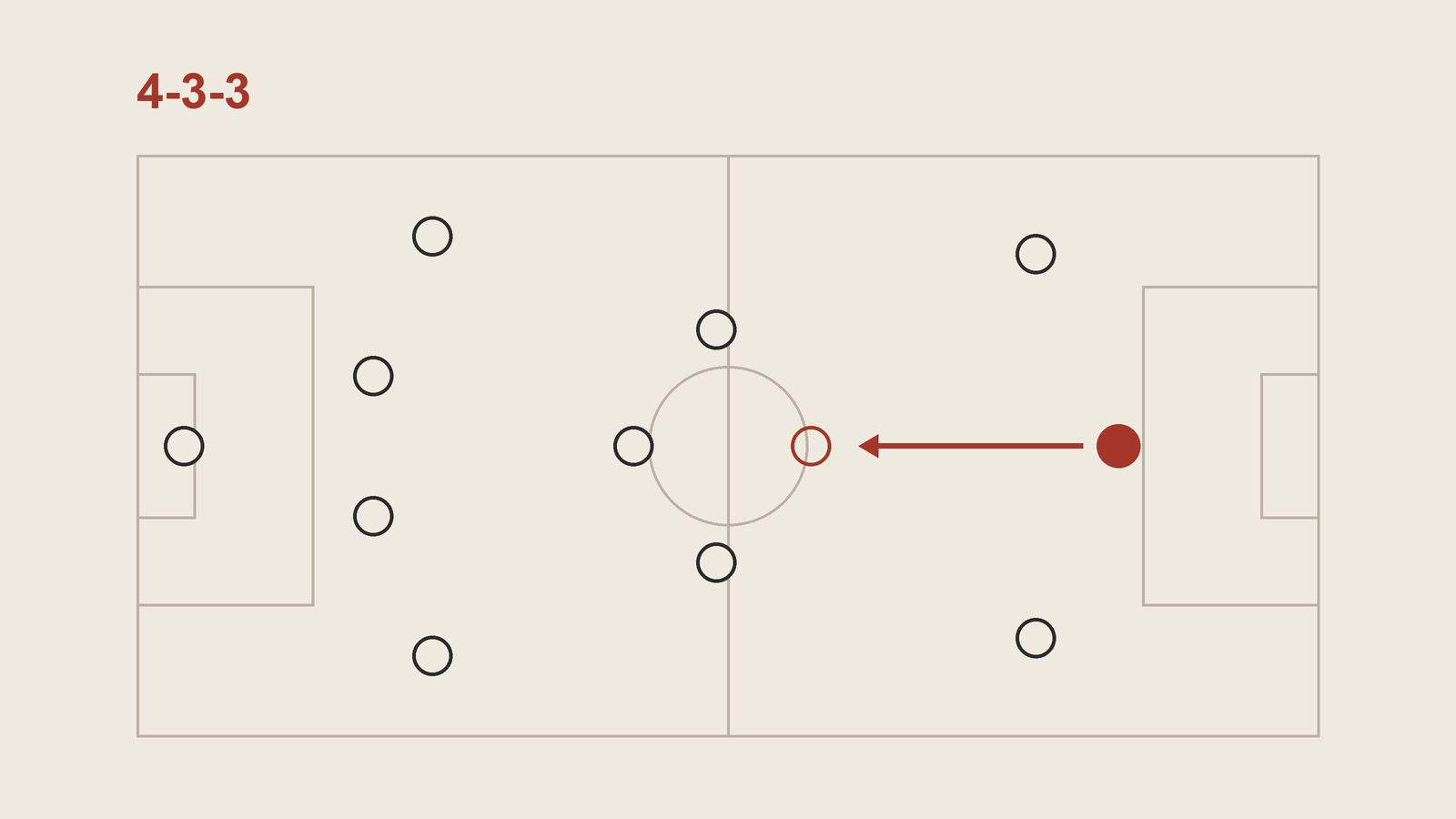
A goalkeeper stops shots, commands the box and starts attacks. The role at a glance in a table, a 4-3-3 diagram, the laws, examples and how to read one.
Formations and roles · Analysis
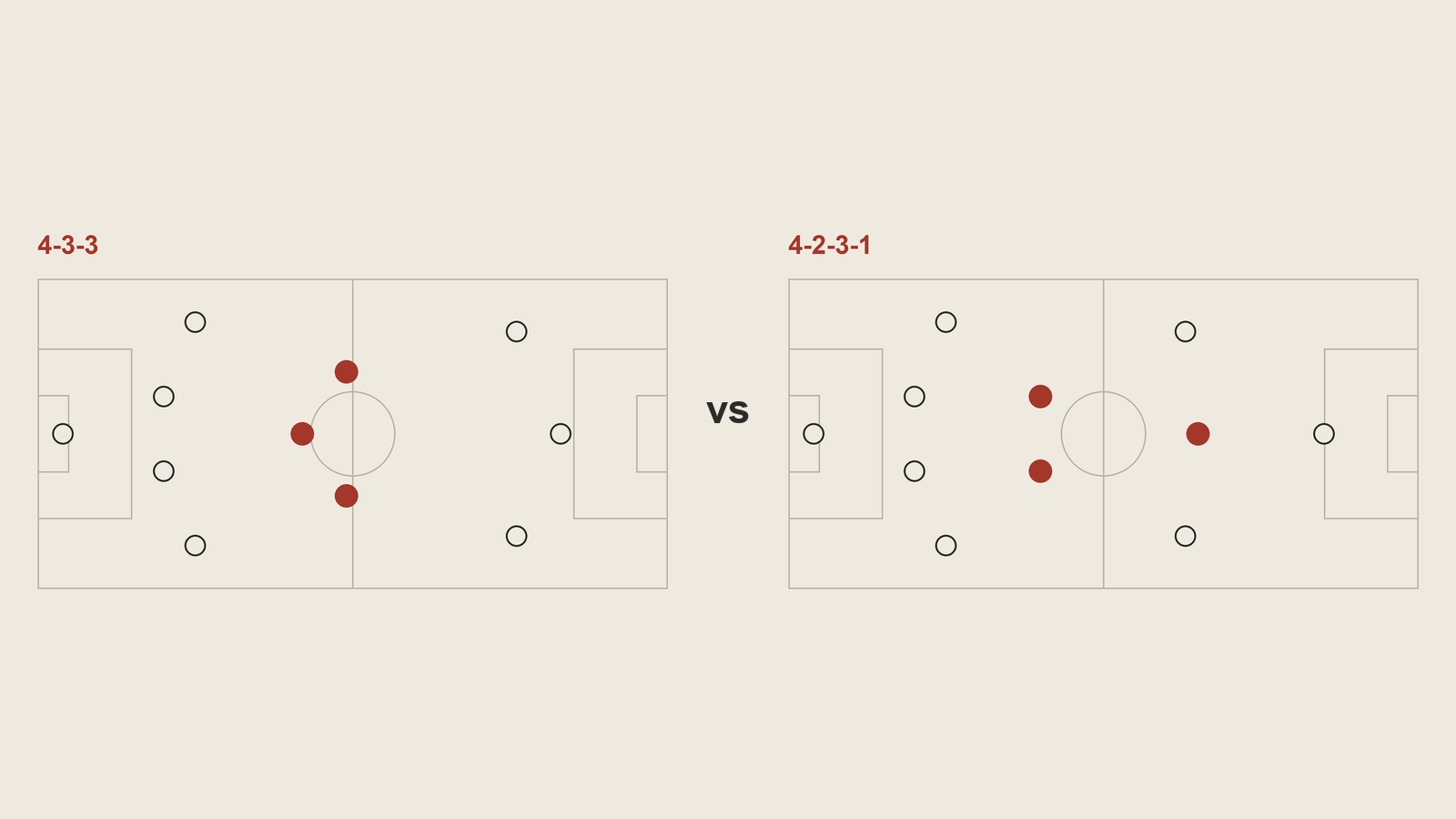
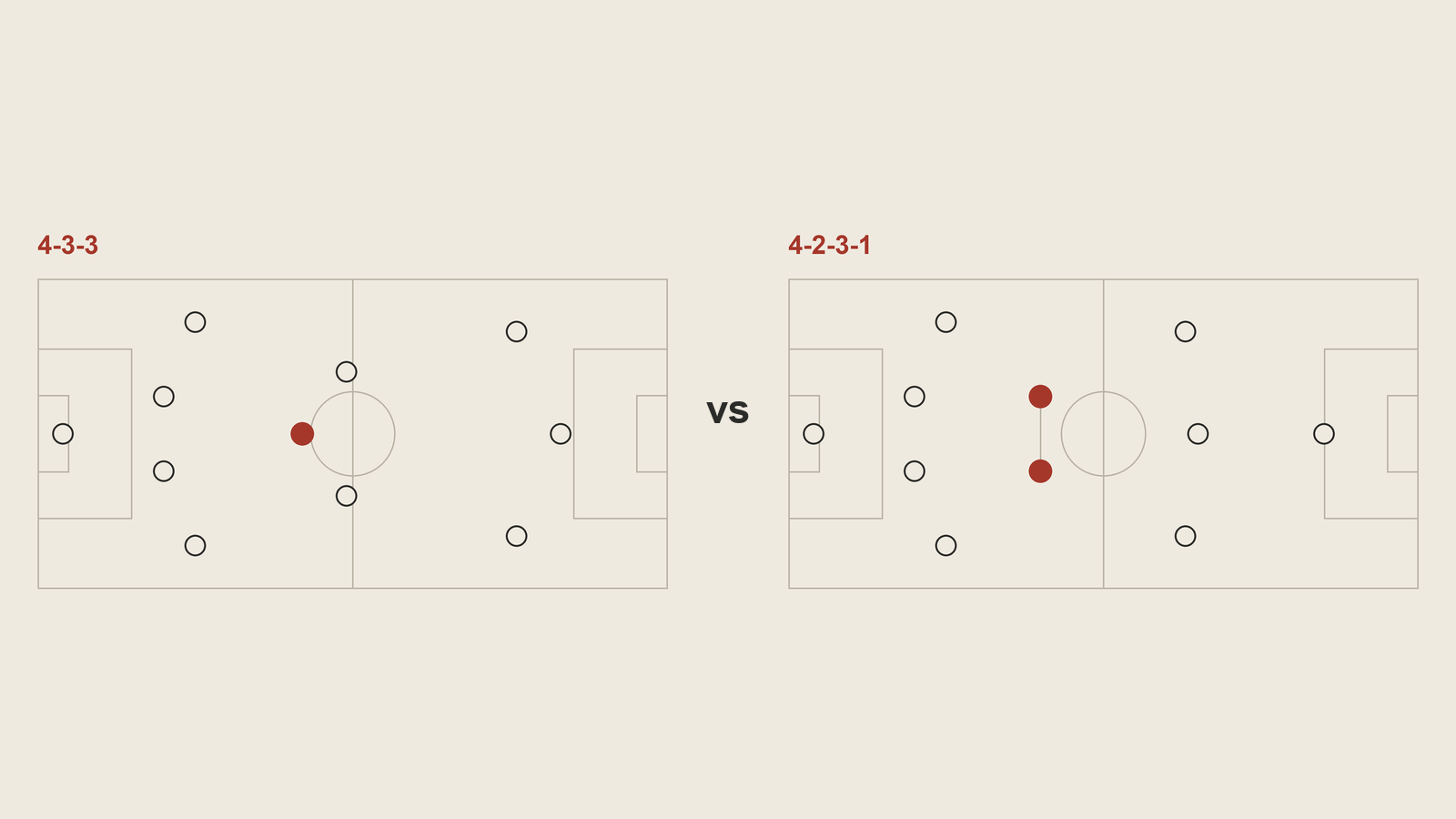
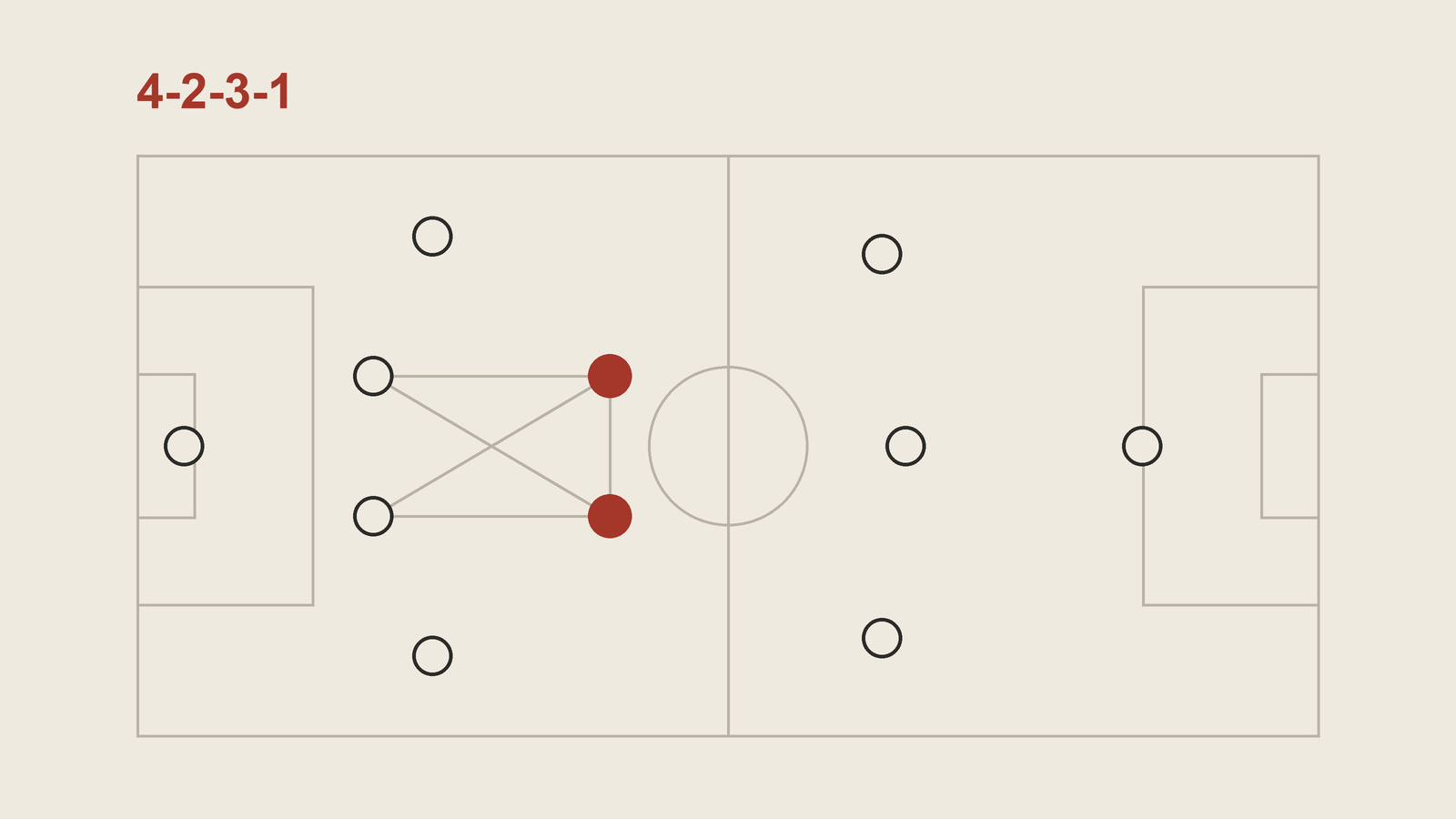
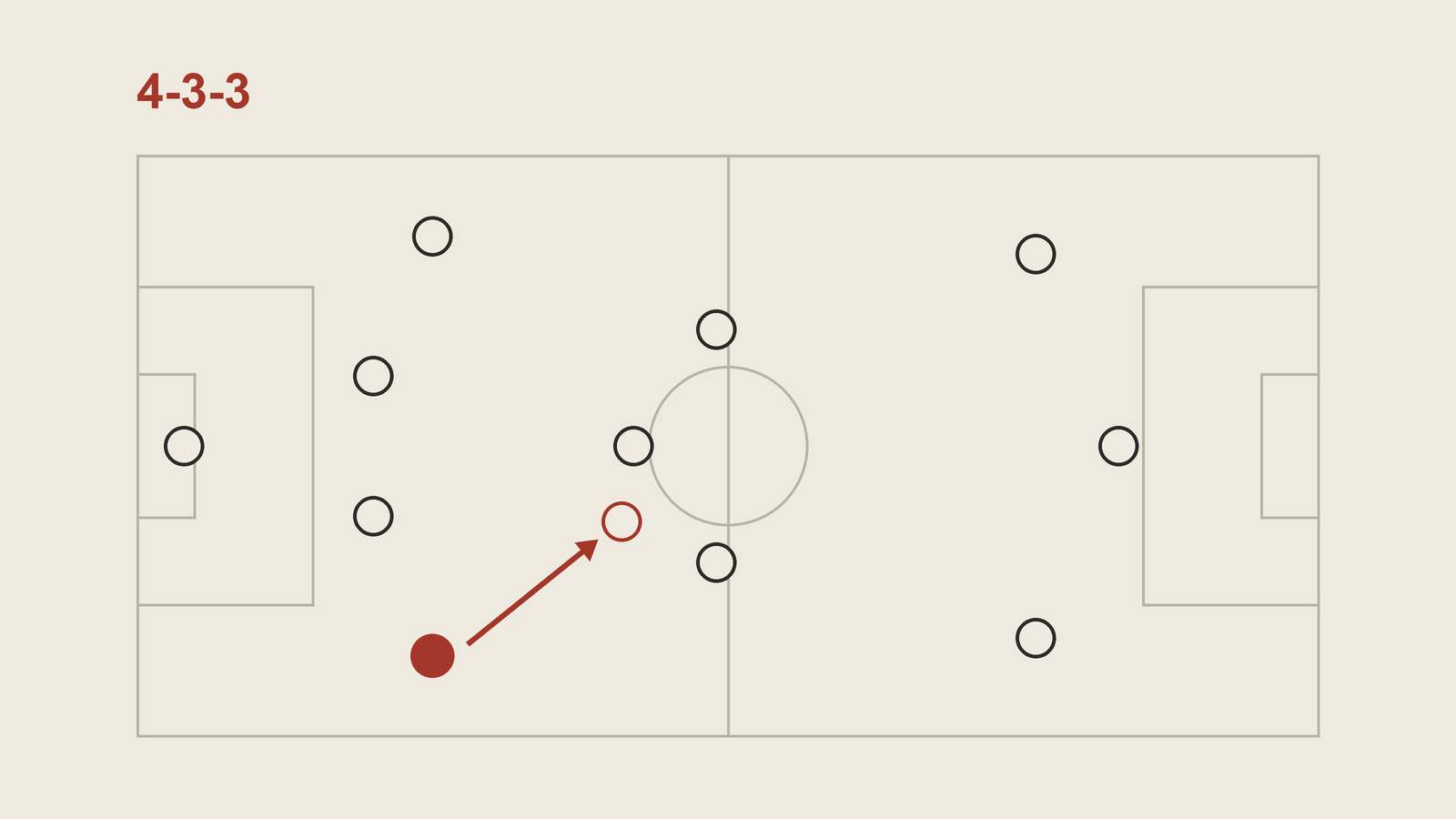
A 4-3-3 plays one pivot behind two 8s; a 4-2-3-1 plays two holding midfielders behind a 10. Side-by-side table, diagram and how to tell them apart.
Formations and roles · Analysis
A wing-back covers the whole flank in front of a back three; a full-back shares it with a winger in a back four. Table, diagram and formations.
Formations and roles · Analysis
A false nine drops into midfield; a classic striker stays high on the centre-backs. A side-by-side table, a diagram, who scores and what each needs.
Formations and roles · Analysis
A libero is a free defender behind man-markers; a centre-back defends a zone in a flat line. Side-by-side table, diagram, history and examples.
Formations and roles · Analysis
A single pivot is one holding midfielder in front of the defence; a double pivot is two side by side. A side-by-side table, the trade-offs and the formations.
Formations and roles · Analysis
A mezzala is a wide number 8 who runs into the half-space; a trequartista is a number 10 in the hole. Side-by-side table, formations and examples.
Formations and roles · Analysis
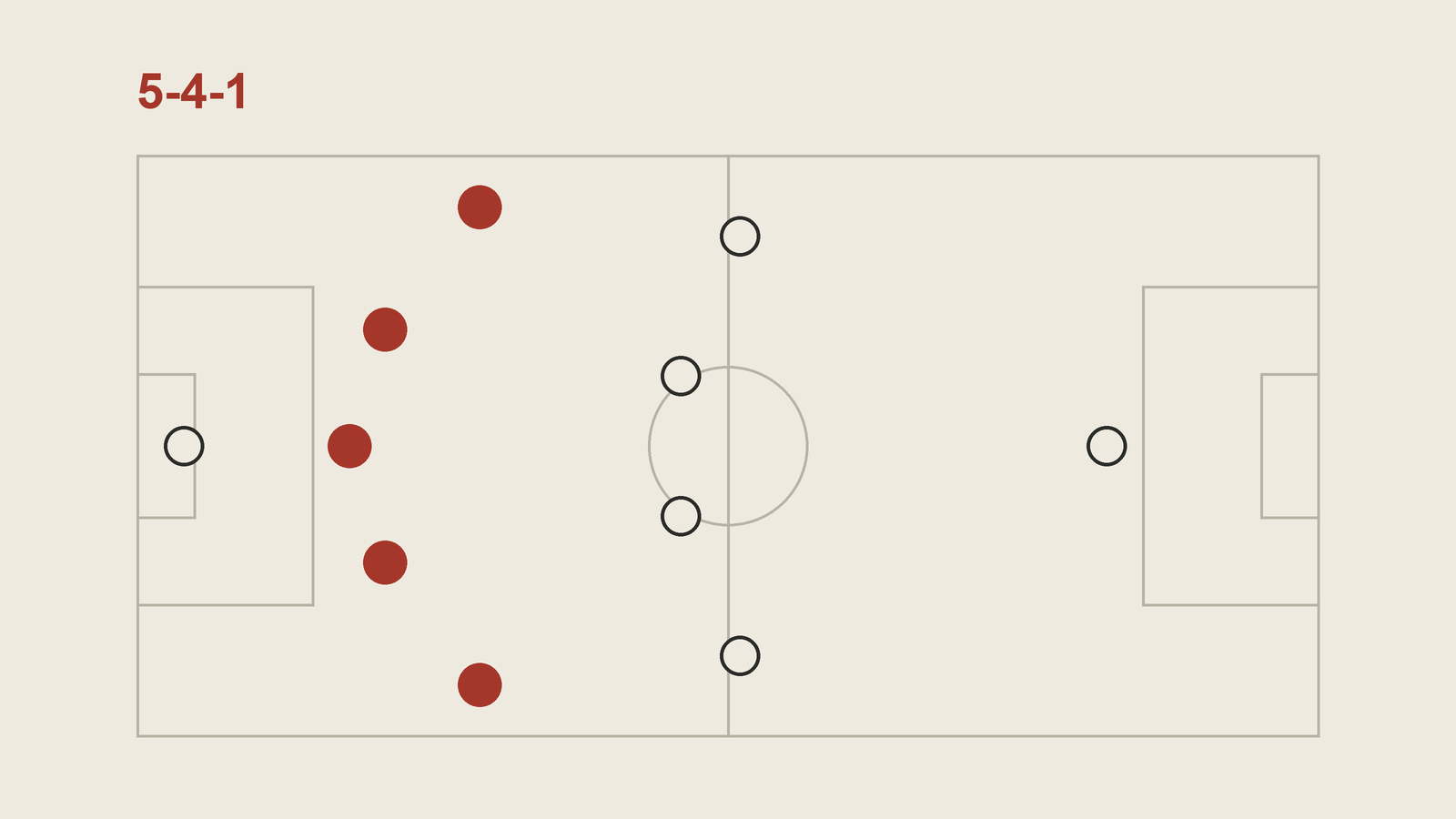
The 5-4-1 plays five defenders, four midfielders and a lone striker. How the back five defends deep, where it counters, and how to break it down.
Formations and roles · Analysis
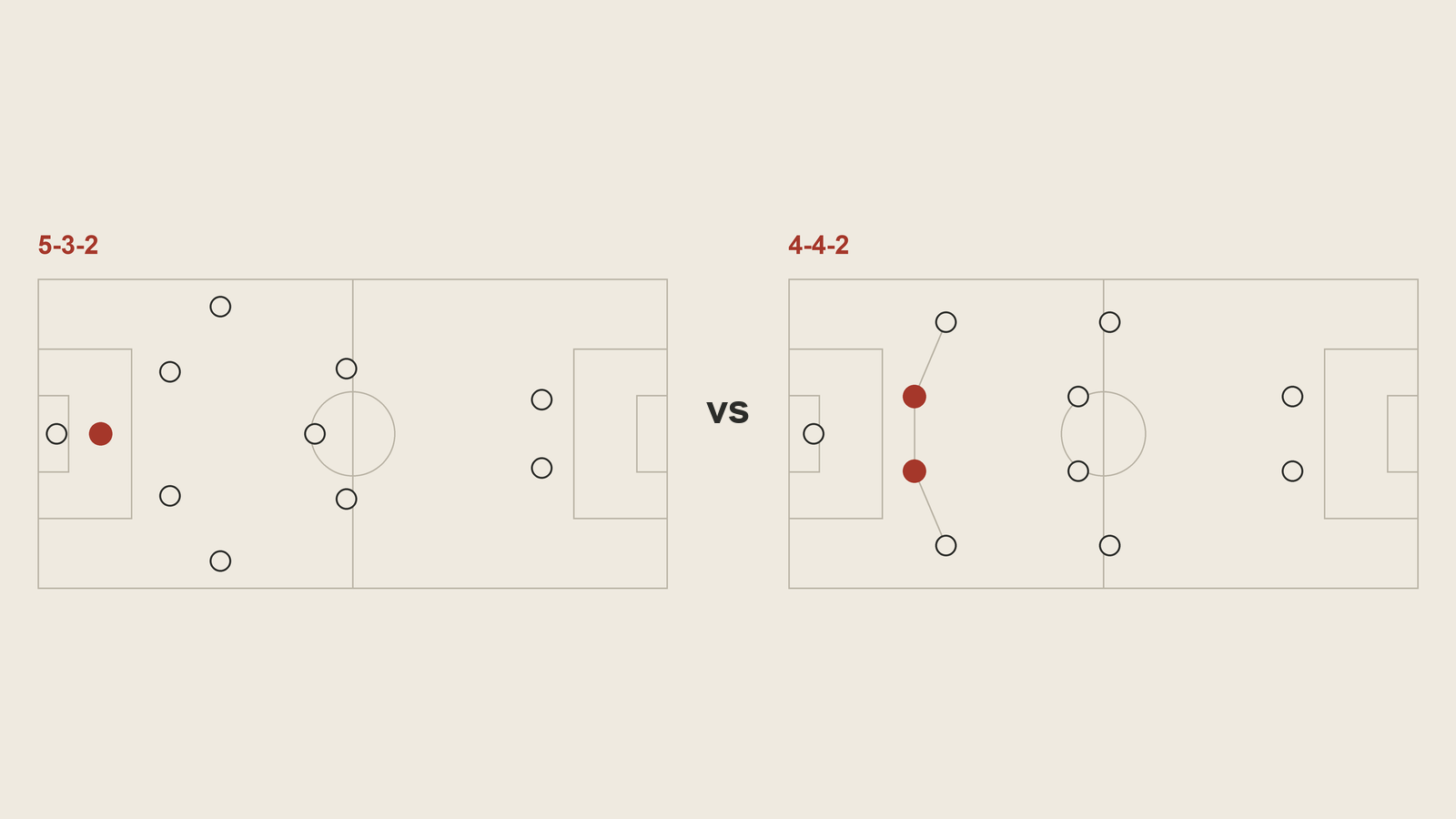
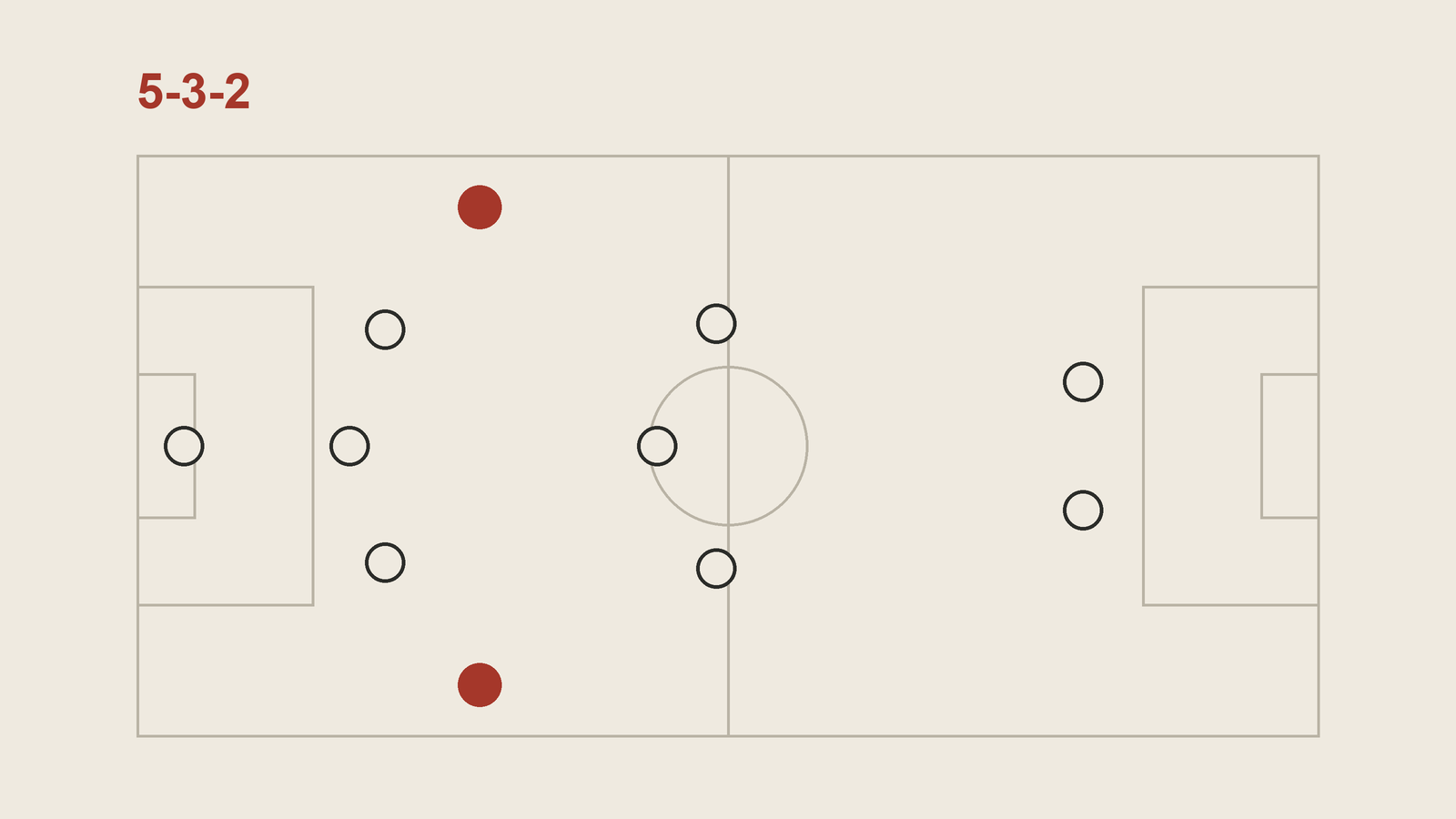
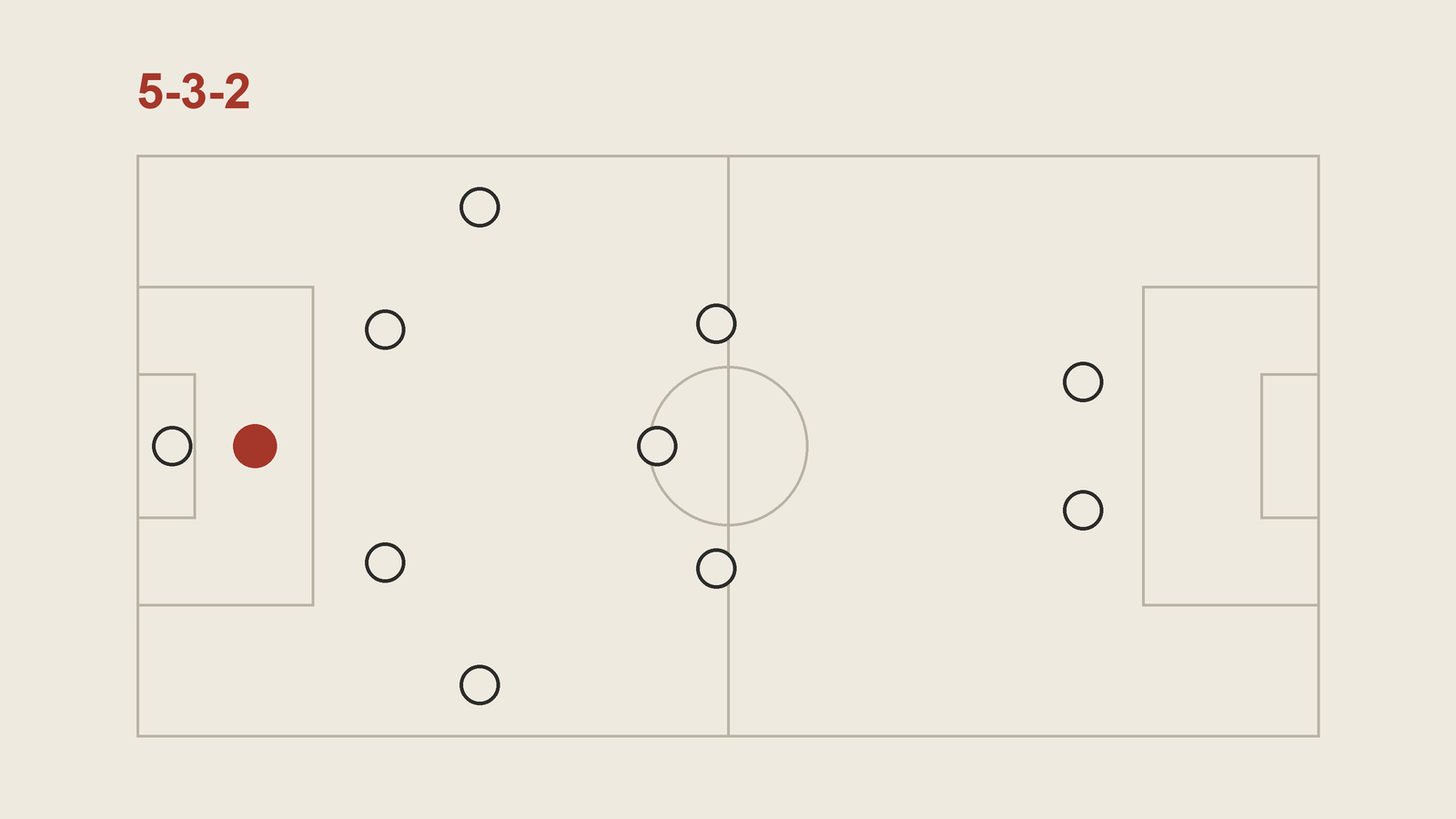
The 5-3-2 plays three centre-backs, two deep wing-backs, three central midfielders and two strikers. How it defends, counters, and how to break it down.
Formations and roles · Analysis
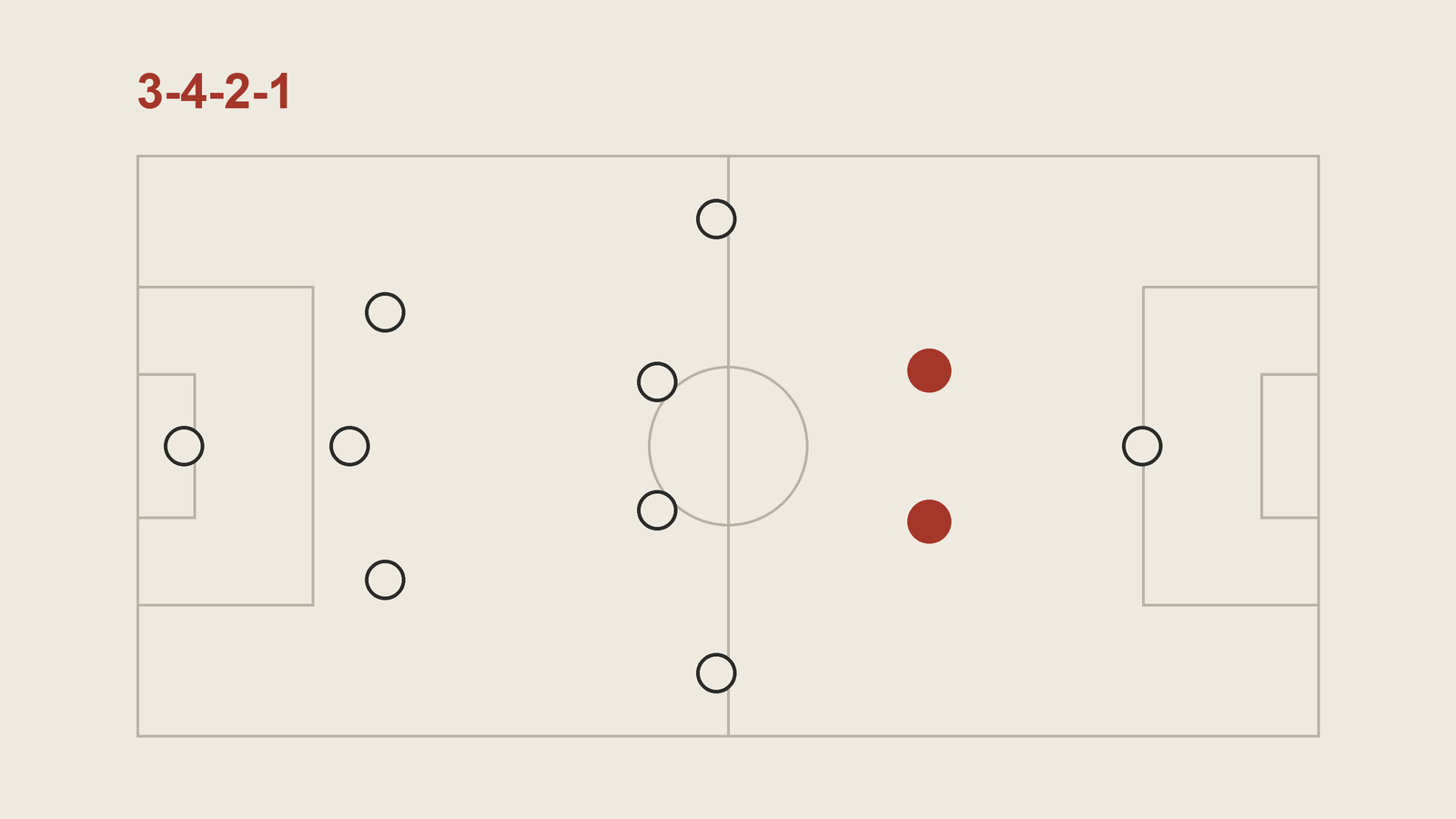
The 3-4-2-1 uses three centre-backs, two wing-backs, a double pivot and two tens behind one striker. How it attacks, defends and differs from a 3-4-3.
Formations and roles · Analysis
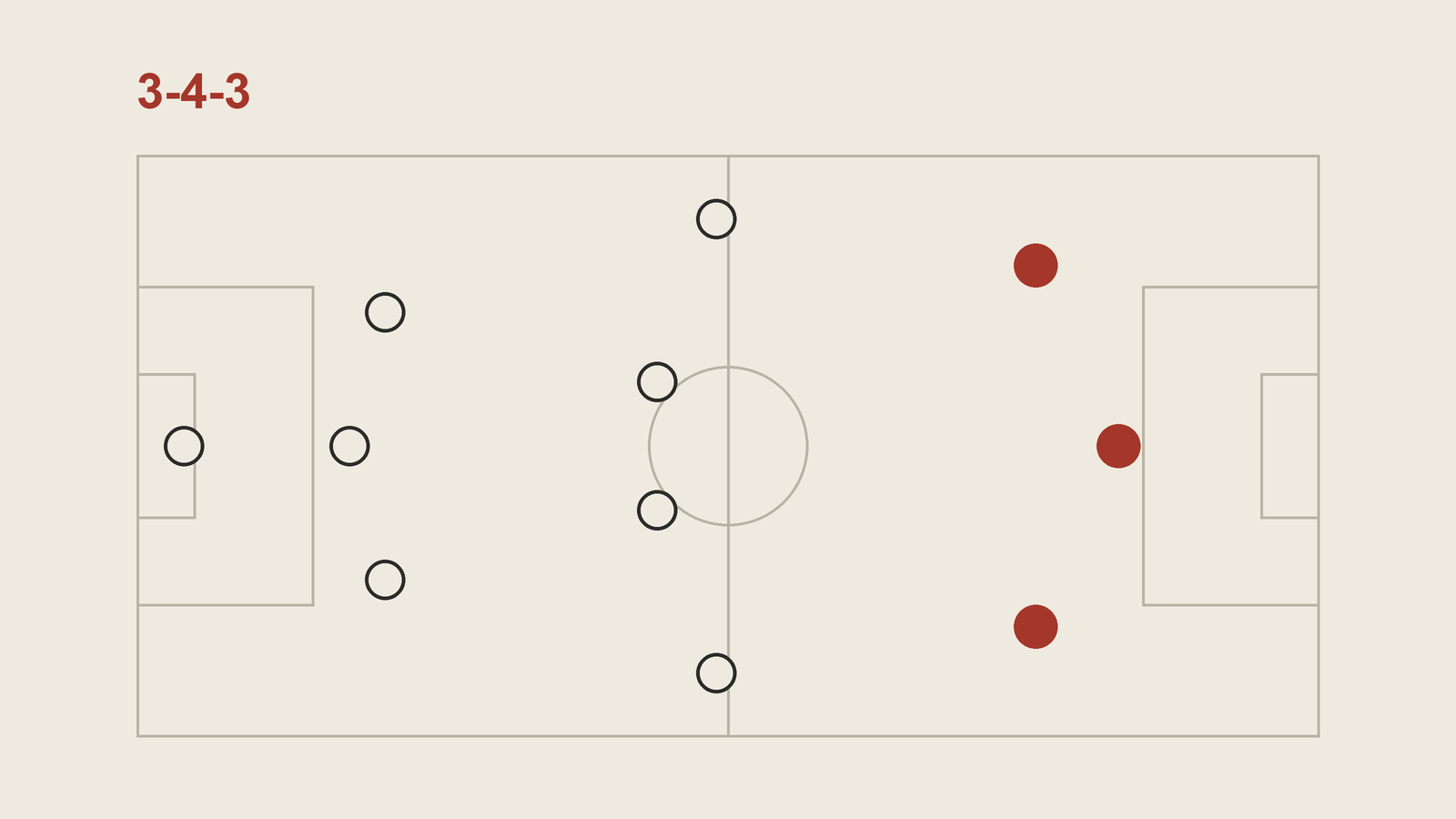
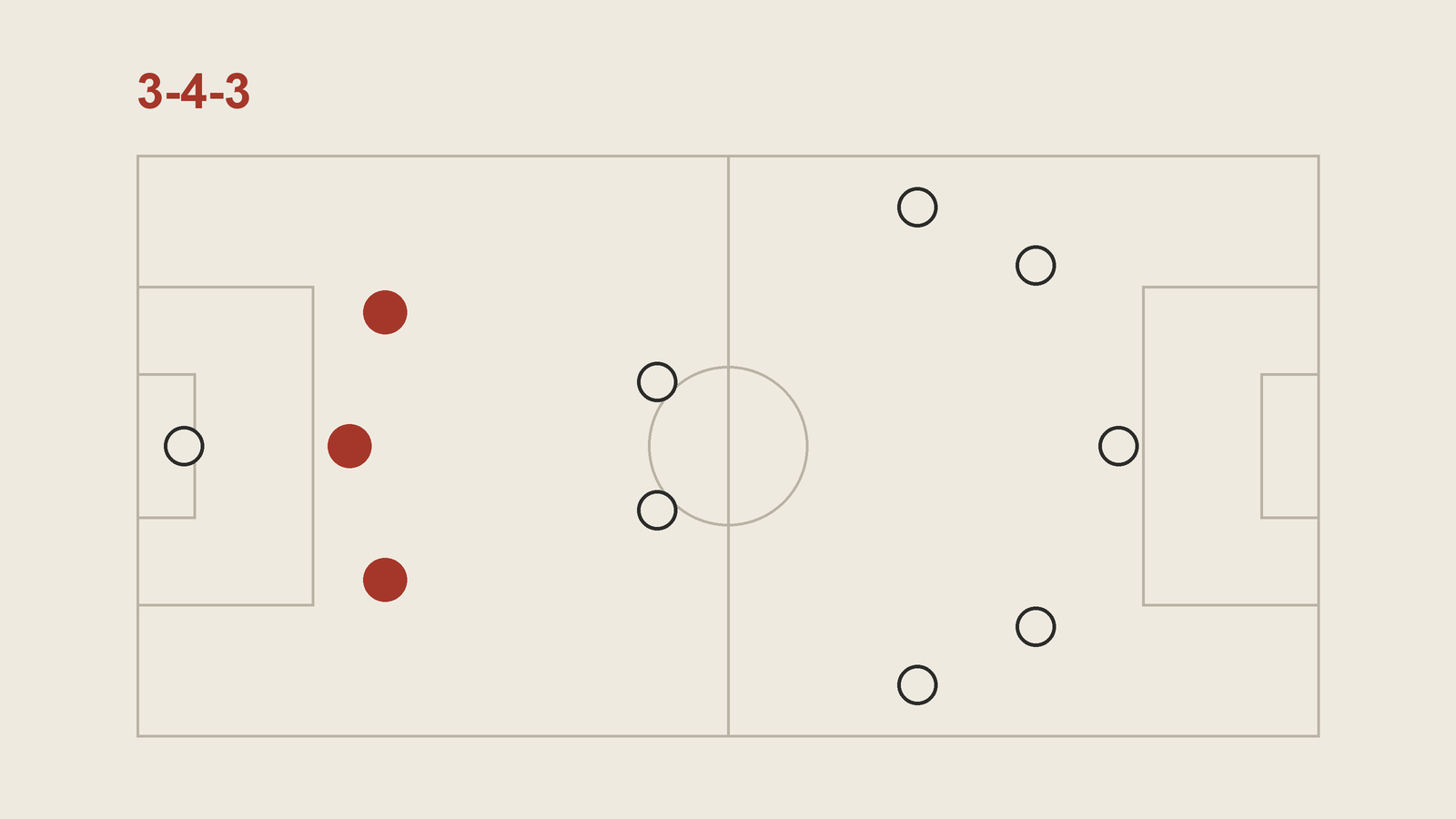
The 3-4-3 plays three centre-backs, two wing-backs, a double pivot and a front three. How it attacks, how it presses, who made it famous and how to beat it.
Formations and roles · Analysis
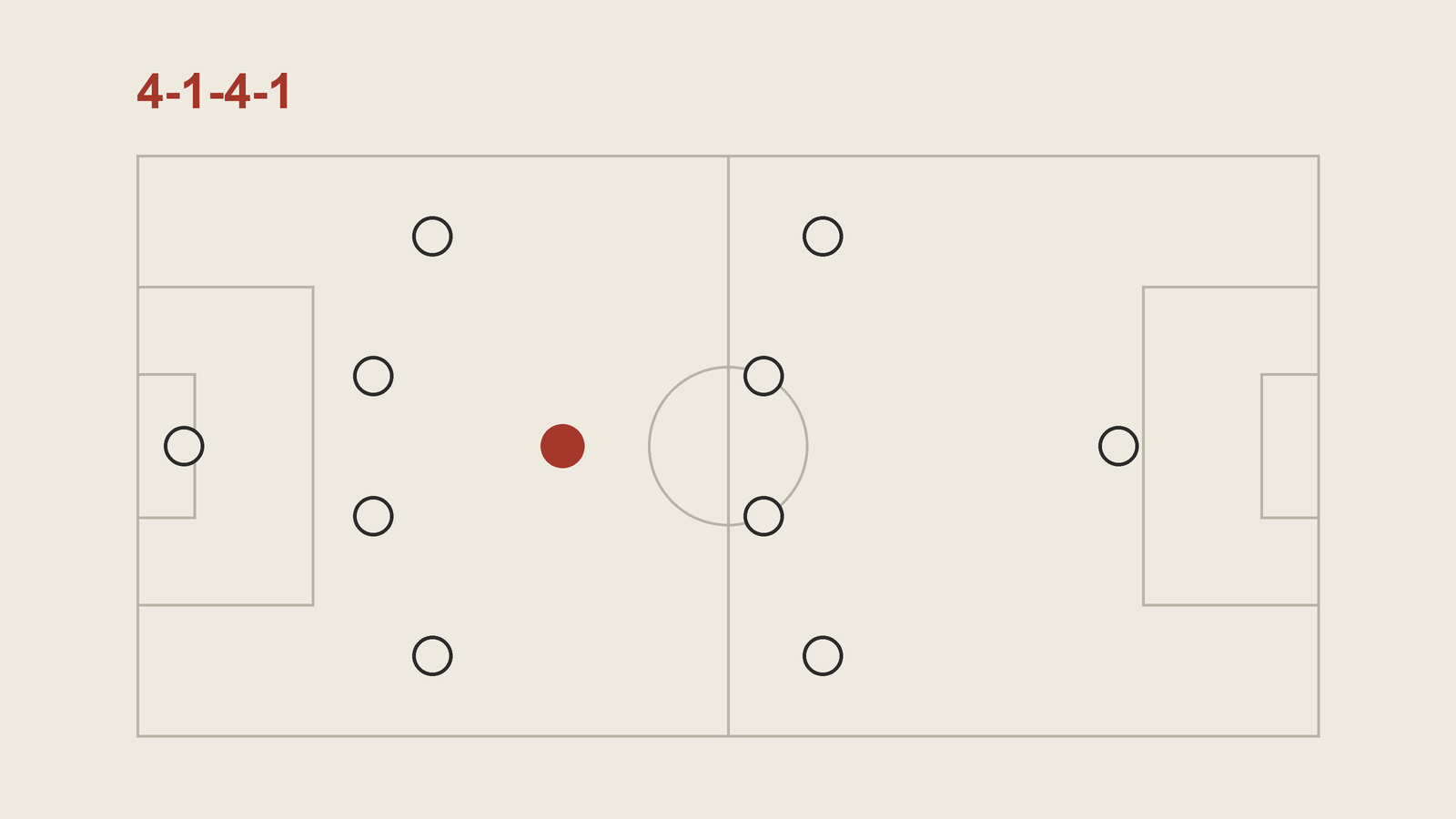
The 4-1-4-1 plays a back four, one holding midfielder, a line of four and a lone striker. How it attacks, defends, and turns into a 4-3-3 or 4-5-1.
Formations and roles · Analysis
A striker, the number 9, is the most advanced player and main goalscorer. Target man, poacher, complete forward, false nine, second striker, and what xG says.
Formations and roles · Analysis
A winger attacks from the flank: beats the full-back, crosses or cuts inside to shoot. Classic and inverted wingers, the inside forward and famous examples.
Formations and roles · Analysis
An attacking midfielder (CAM, the 10) plays between the lines and creates chances. Trequartista, enganche, why the classic 10 declined and where it plays now.
Formations and roles · Analysis
A box-to-box midfielder, the 8, tackles near his own box and arrives in the other. What the role asks for, in a two or a three, famous examples, mezzala.
Formations and roles · Analysis
A full-back defends the flank and joins the attack: overlaps, underlaps, crosses and inverting into midfield. Types, famous examples, full-back vs wing-back.
Formations and roles · Analysis
A centre-back defends the middle of the pitch in front of goal: duels, headers, covering and, more and more, passing. Pairs, back threes, types and history.
Formations and roles · Analysis
A defensive midfielder (CDM, the 6) screens the back four, wins the ball back and keeps it moving. Its three types, famous examples and how to spot one.
Formations and roles · Analysis
Football has eleven positions in four groups. What each one does with and without the ball, what shirt numbers 1 to 11 mean, and why a 6 differs by country.
Formations and roles · Analysis
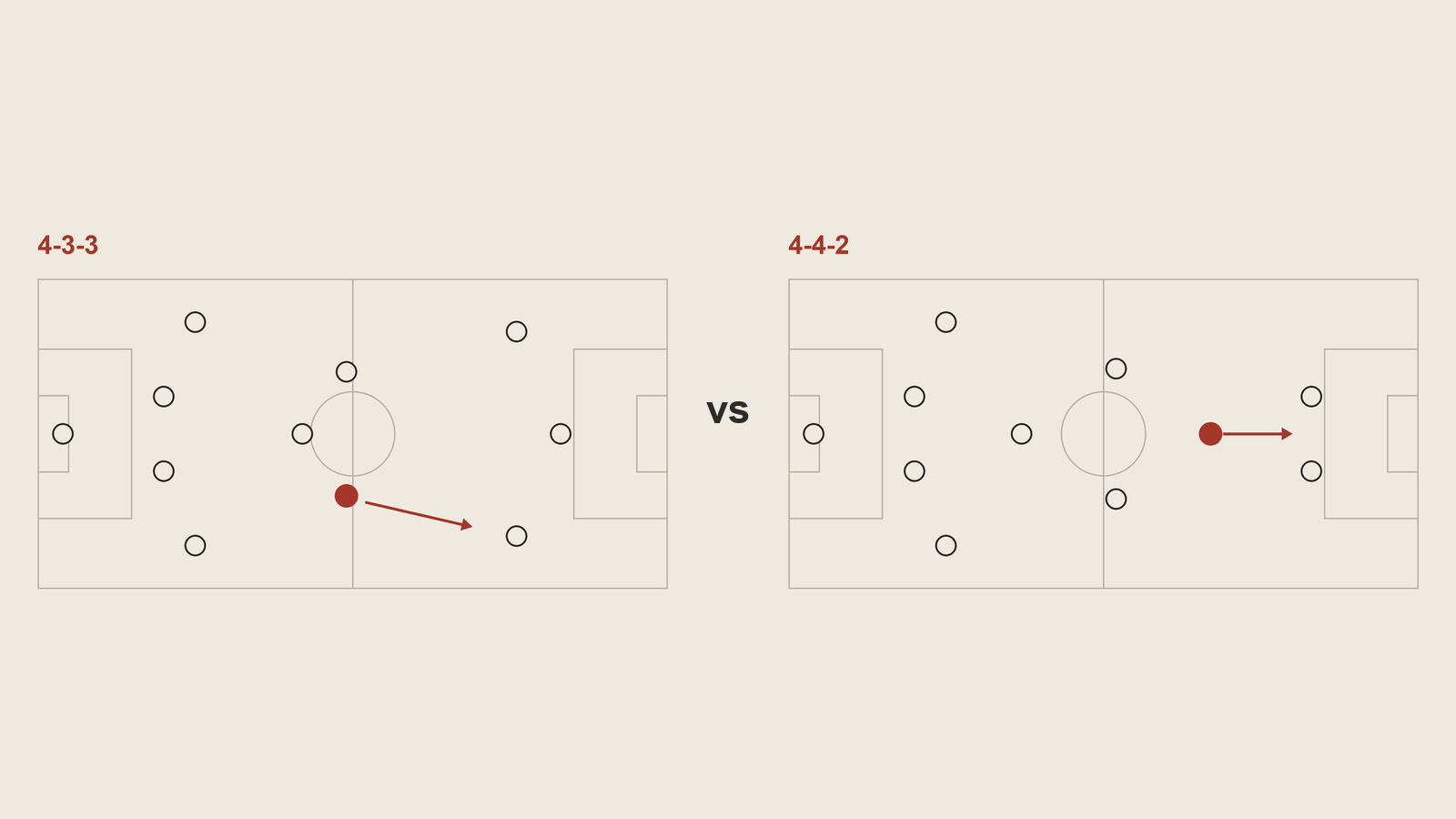
What really happens when three central midfielders meet two? Move through four tactical scenes, then test the idea against Liverpool, City, Atlético and Barcelona.
Formations and roles · Analysis
A libero or sweeper is a free defender behind the back line with no opponent to mark. From catenaccio to Beckenbauer and Sammer, and why the role disappeared.
Formations and roles · Analysis
A wing-back is the wide player in a back-three system: a winger in attack, a full-back in defence. What the role demands and how it differs from a full-back.
Formations and roles · Analysis
A regista is a deep-lying playmaker who directs his team's passing from in front of the defence. How Pirlo defined the role and how opponents try to stop it.
Formations and roles · Analysis
A mezzala is a central midfielder in a three who drifts wide and forward into the half-space. Where the Italian term comes from, what he does, who plays it.
Formations and roles · Analysis
A double pivot is a pair of holding midfielders in front of the defence, most often in a 4-2-3-1. How the two split the work, and how a single pivot differs.
Formations and roles · Analysis
An inverted full-back moves into central midfield in possession instead of overlapping. Why Guardiola's teams use the role, what it protects and what it costs.
Formations and roles · Analysis
A false nine is a centre-forward who drops into midfield instead of staying on the last line. How it works, from Hidegkuti in 1953 to Messi, and what it needs.
Formations and roles · Analysis
A back three uses three centre-backs instead of two. How 3-4-3 and 3-4-2-1 systems work, why back fours turn into back threes in possession, and what it costs.
Formations and roles · Analysis
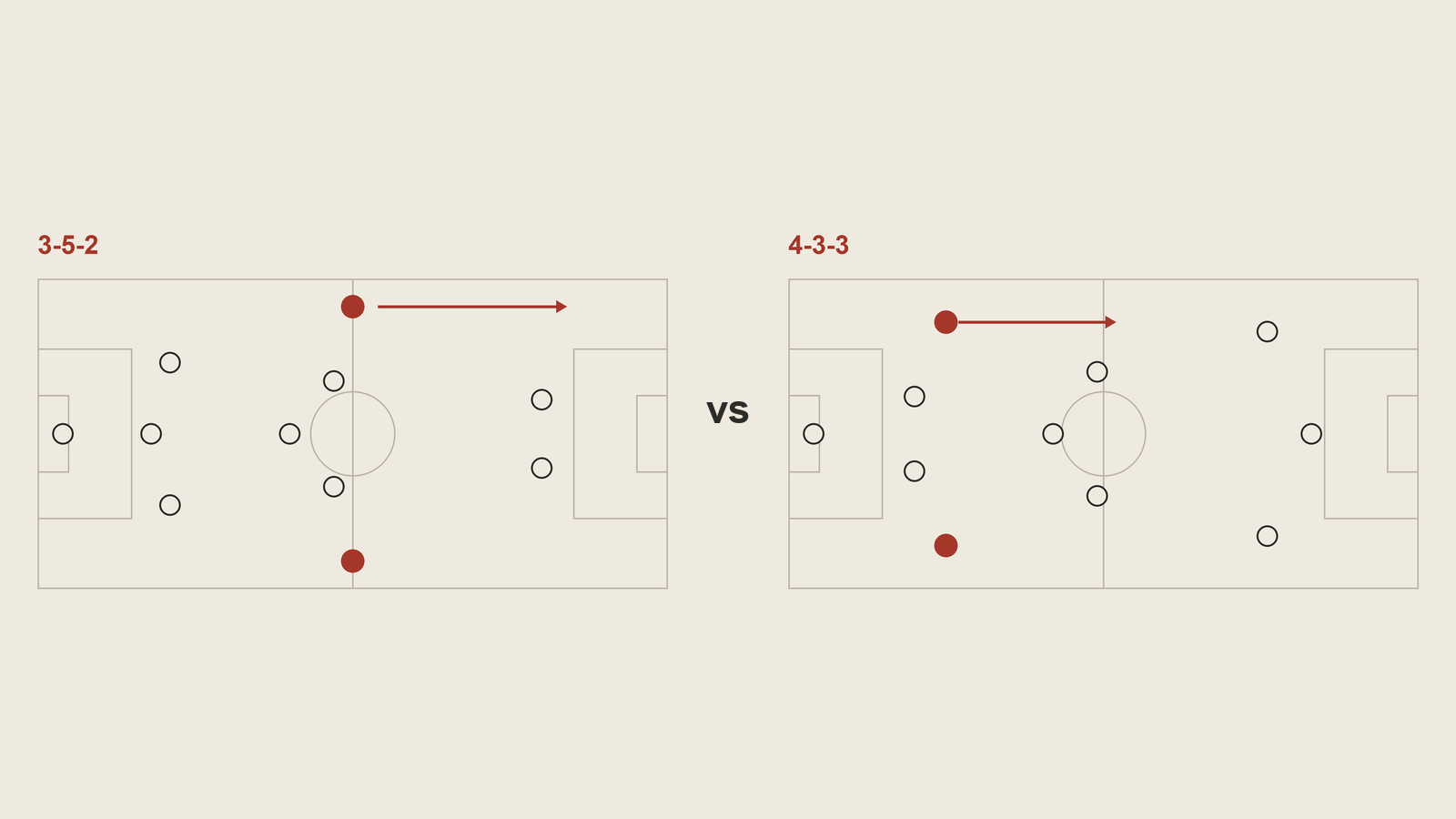
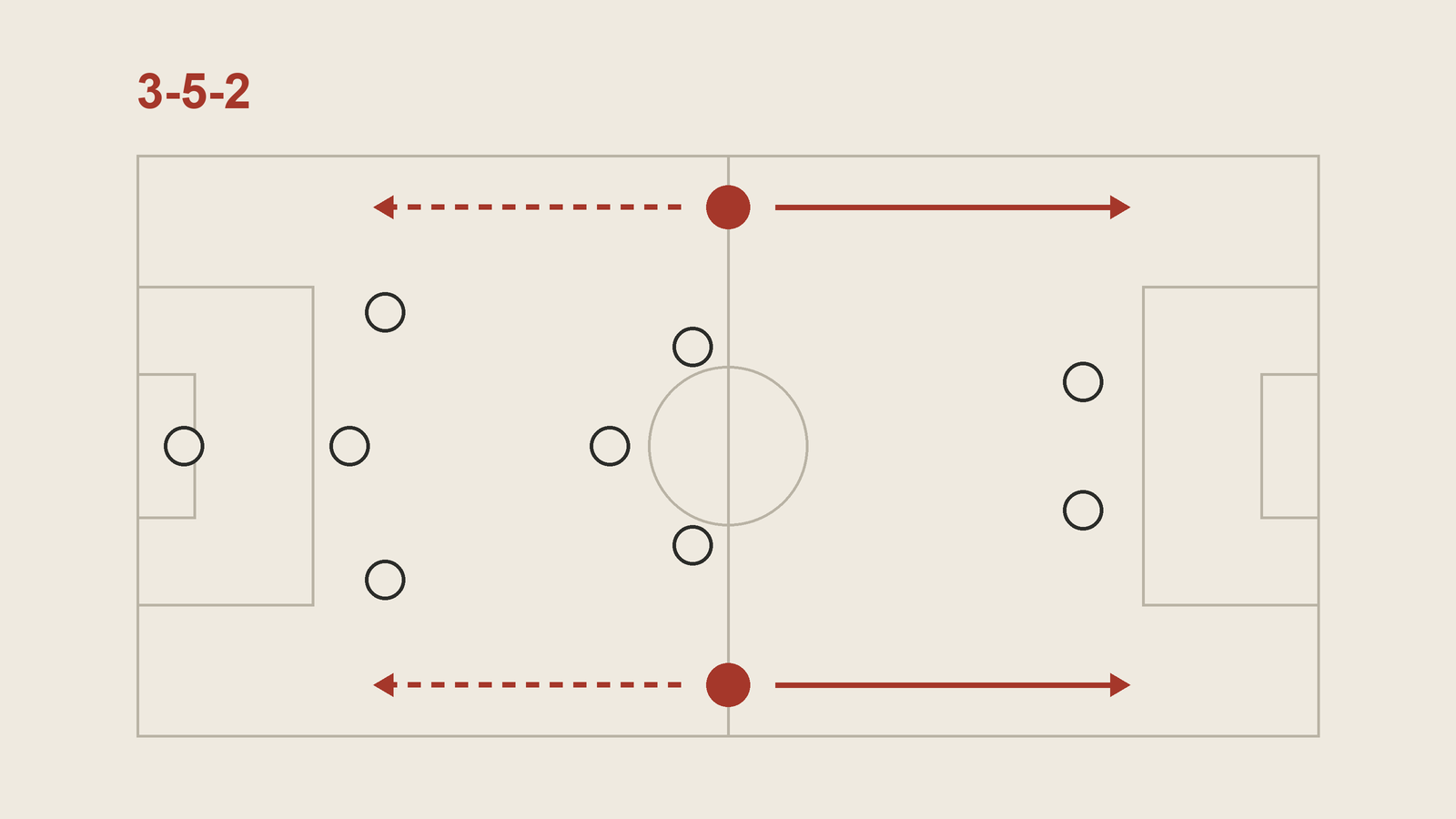
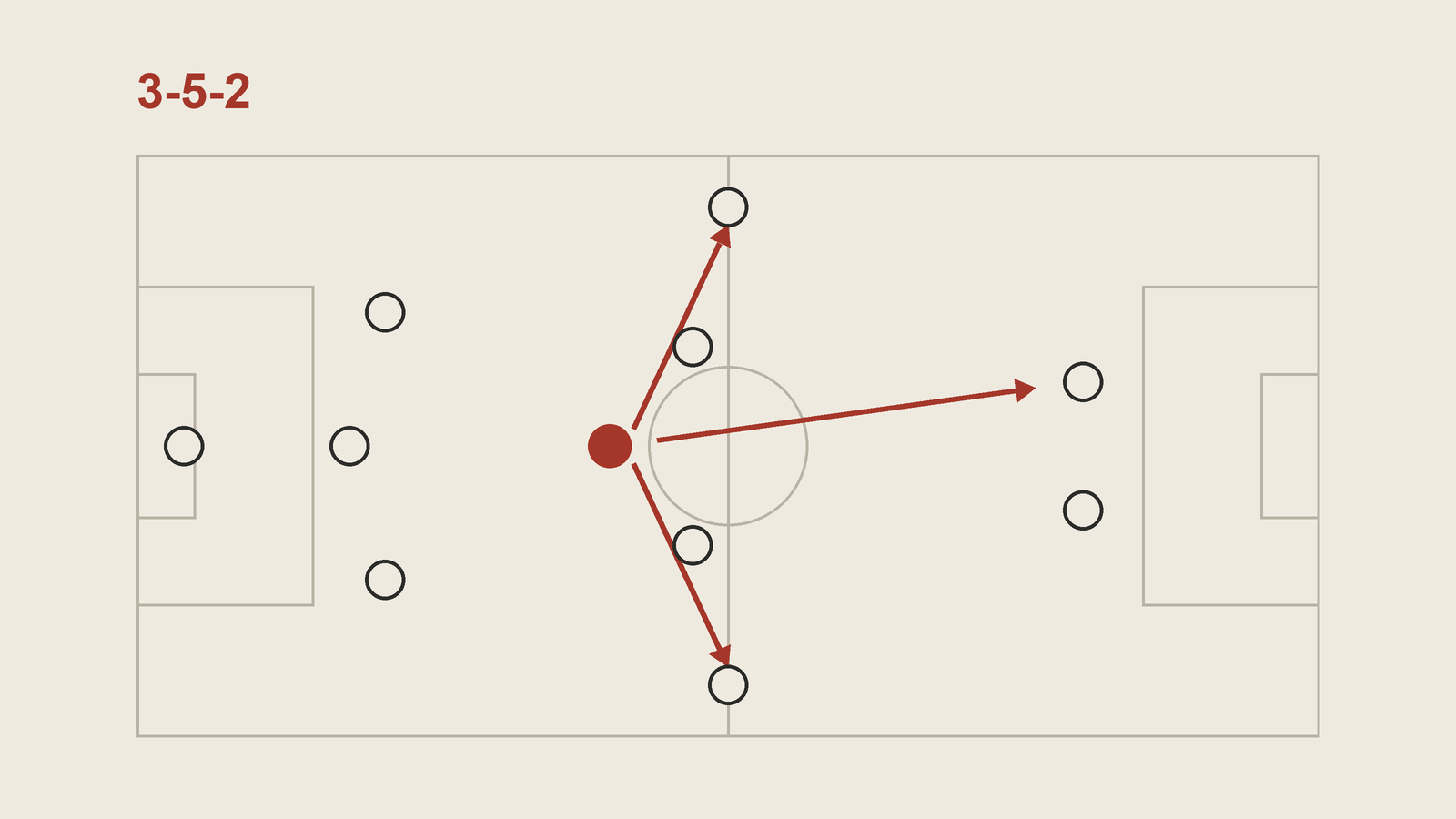
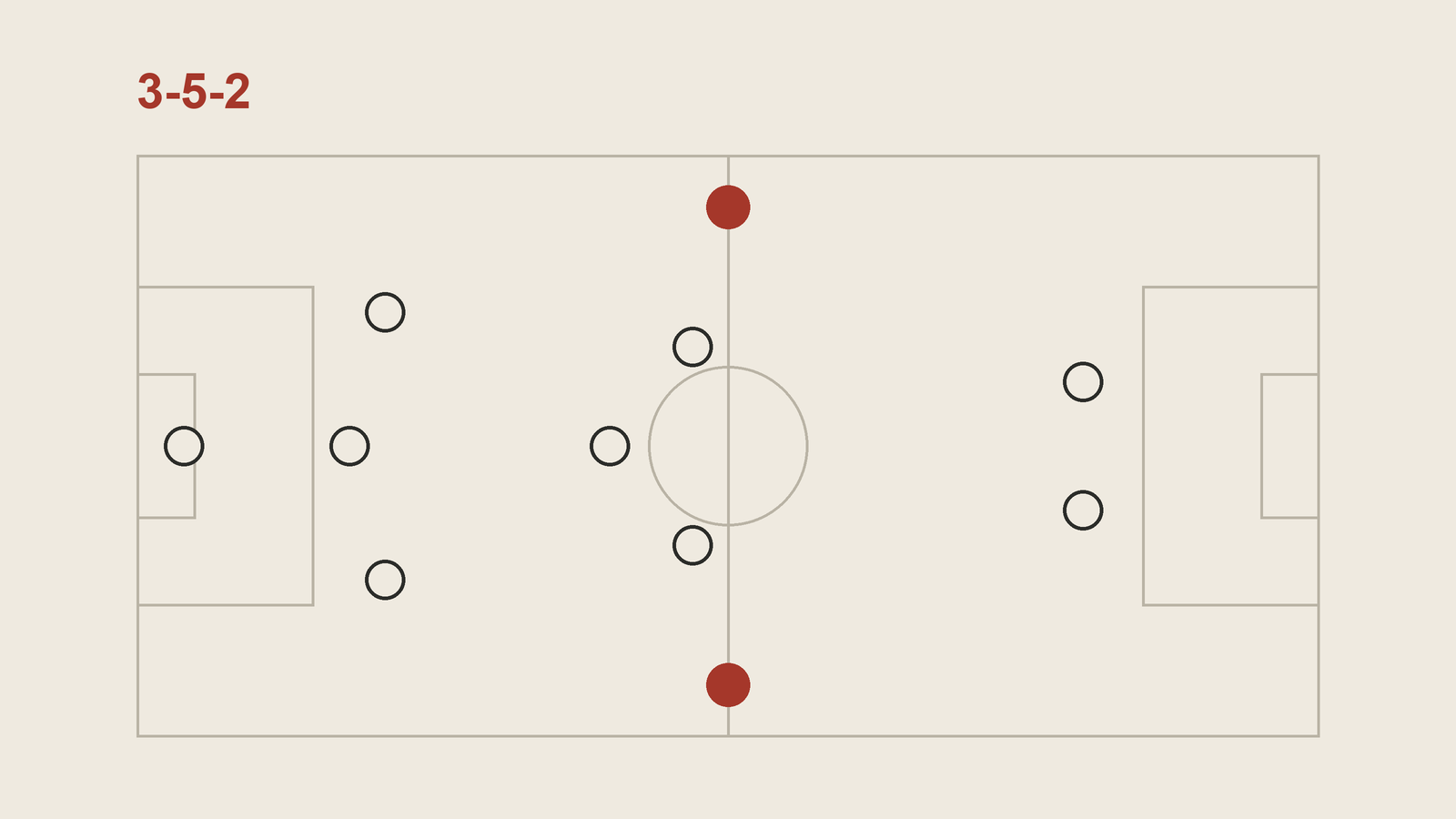
The 3-5-2 plays three centre-backs, two wing-backs, three central midfielders and two strikers. How it attacks and defends, and why the wing-backs decide it.
Formations and roles · Analysis
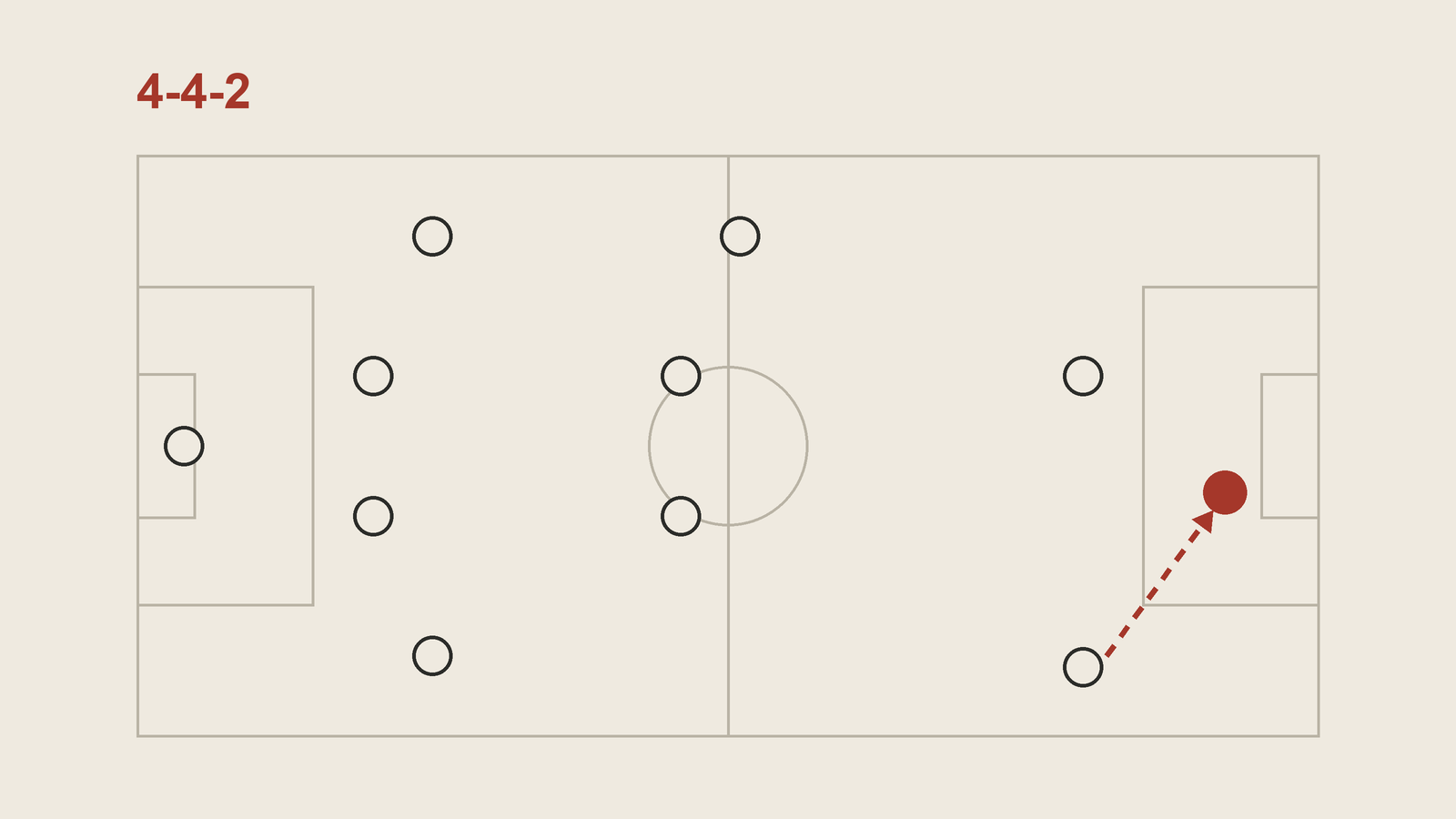
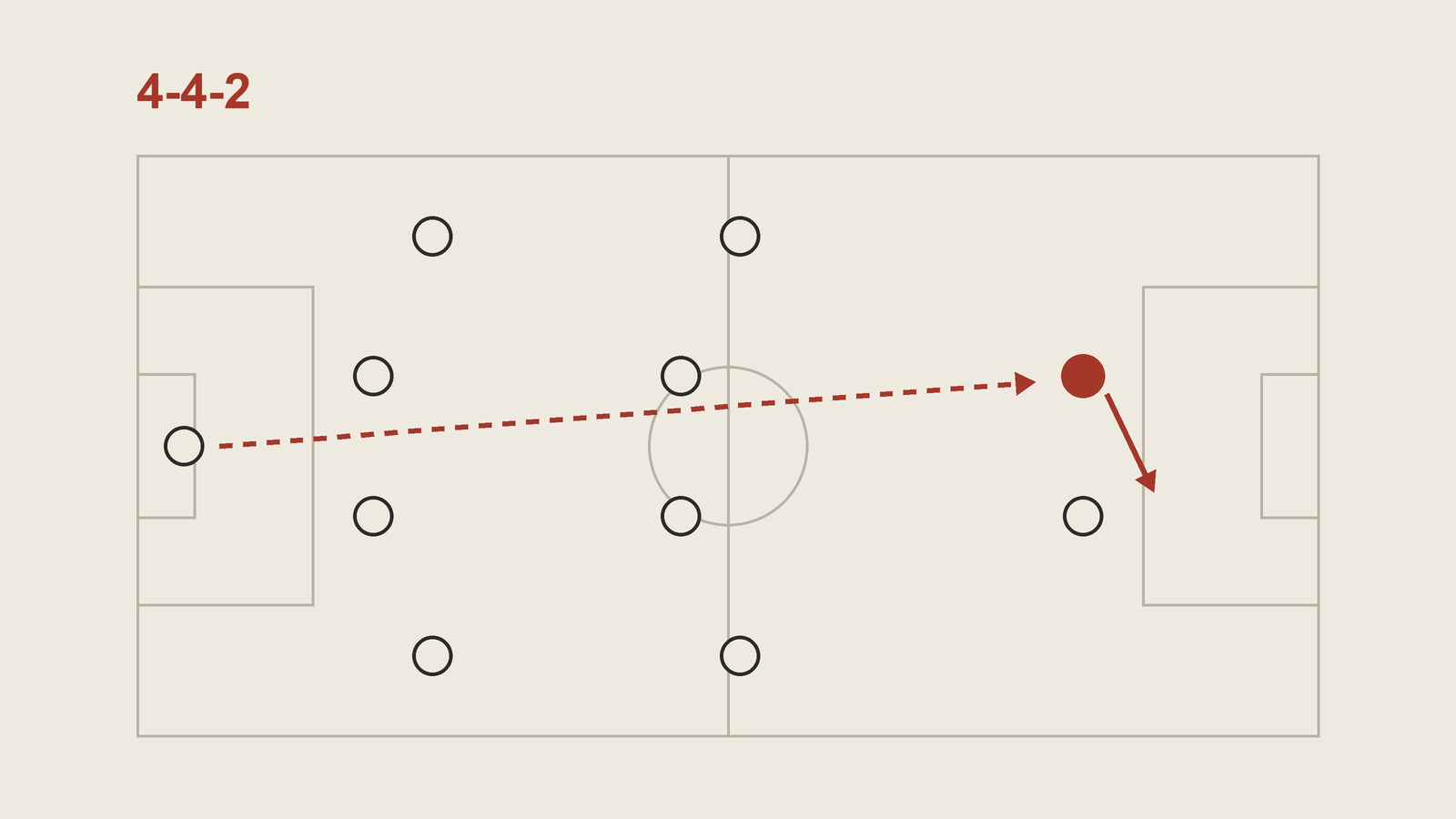
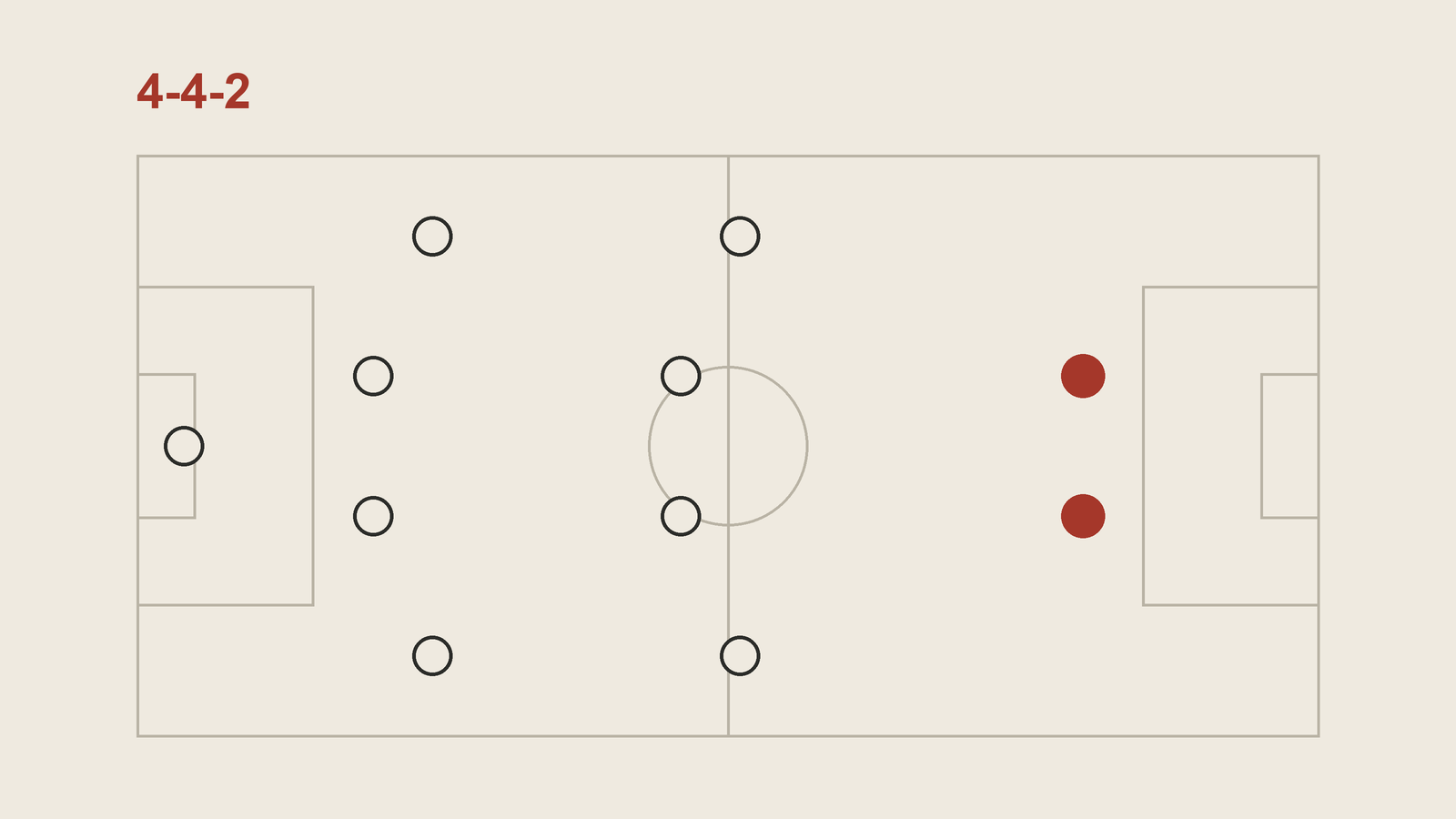
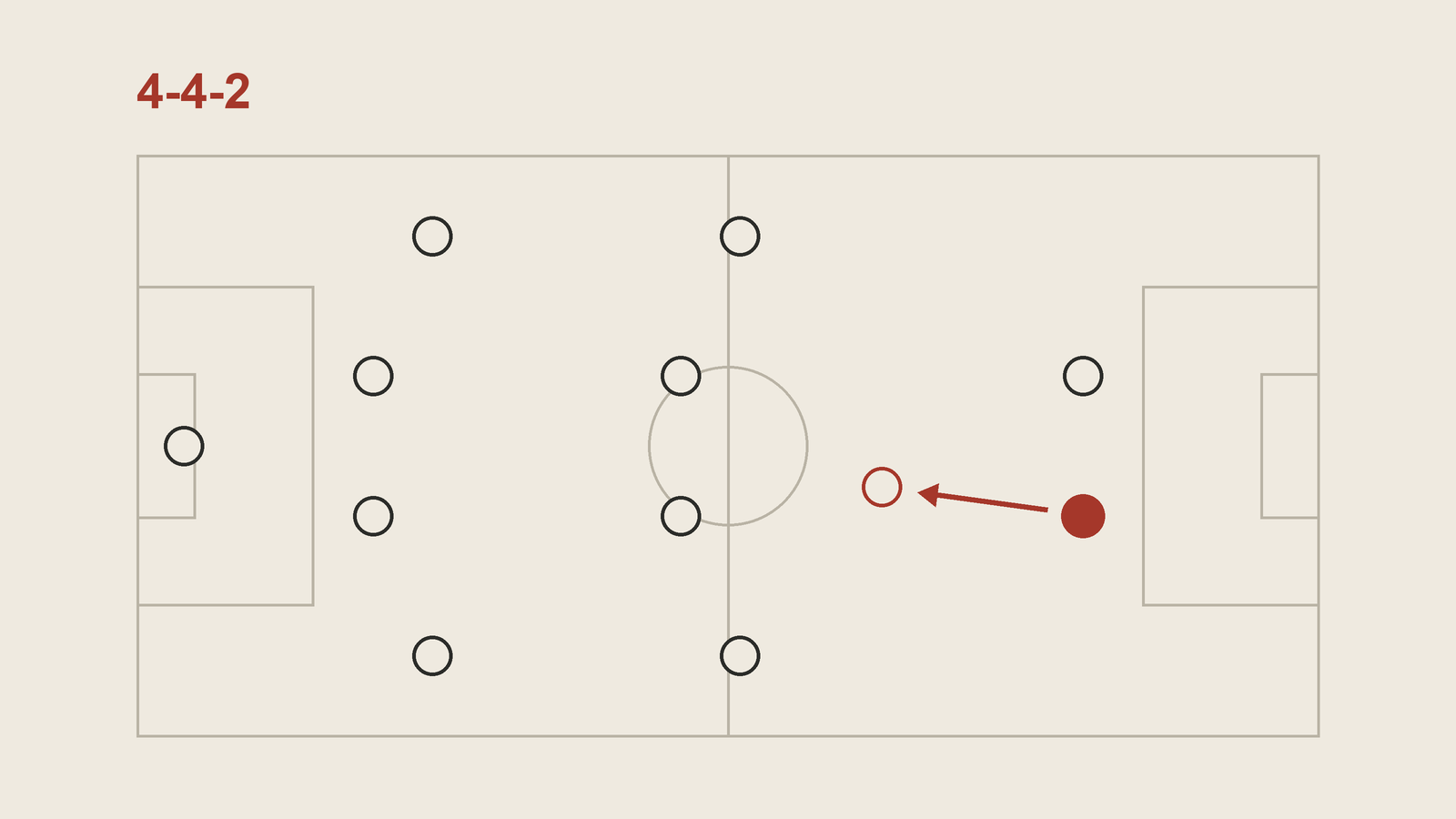
The 4-4-2 sets up four defenders, four midfielders and two strikers in three flat lines. Why it defends so well, where it is outnumbered, and who uses it.
Formations and roles · Analysis
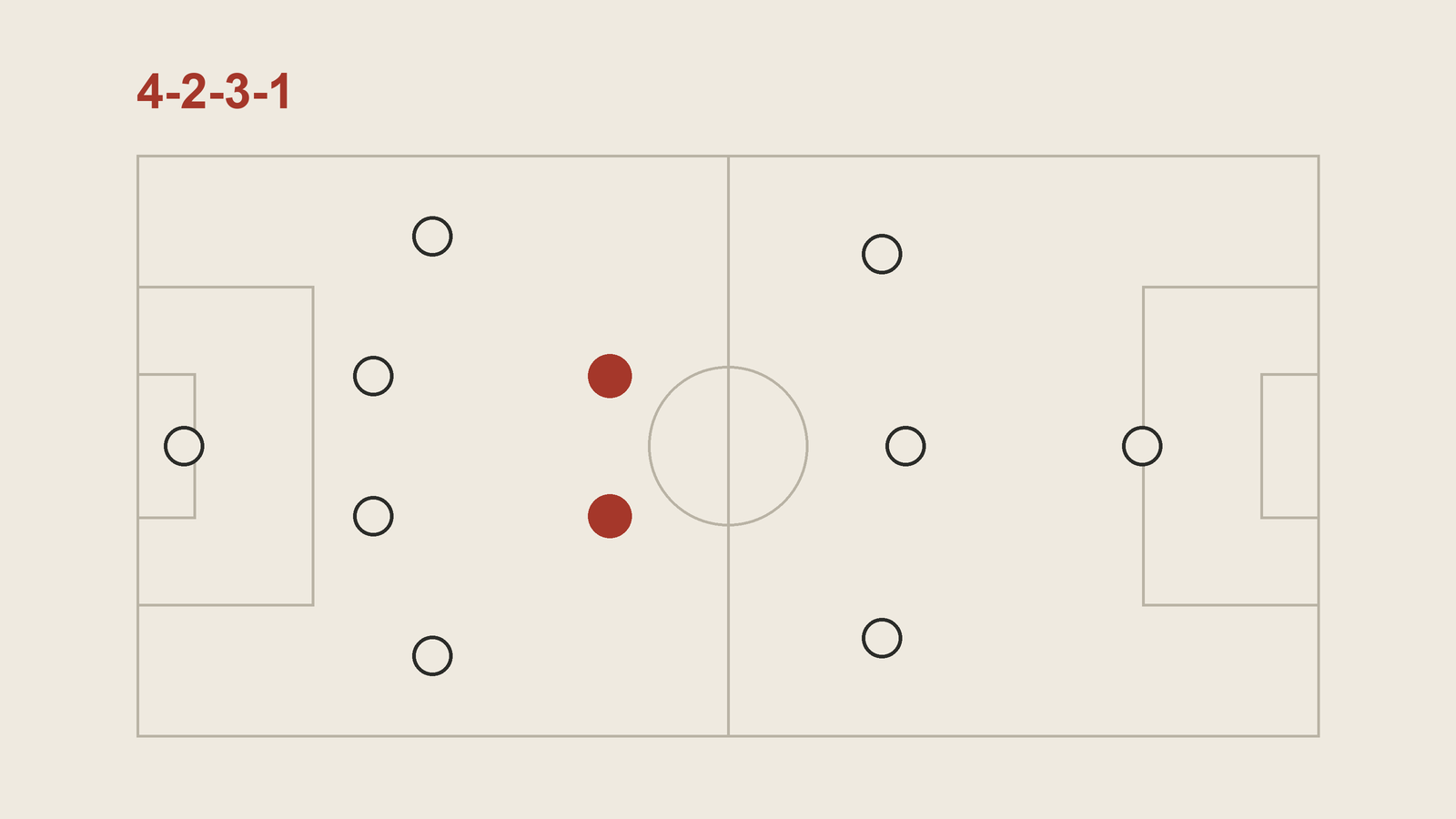
The 4-2-3-1 uses four defenders, two holding midfielders, three attacking midfielders and one striker. How the double pivot and the number ten make it work.
Formations and roles · Analysis
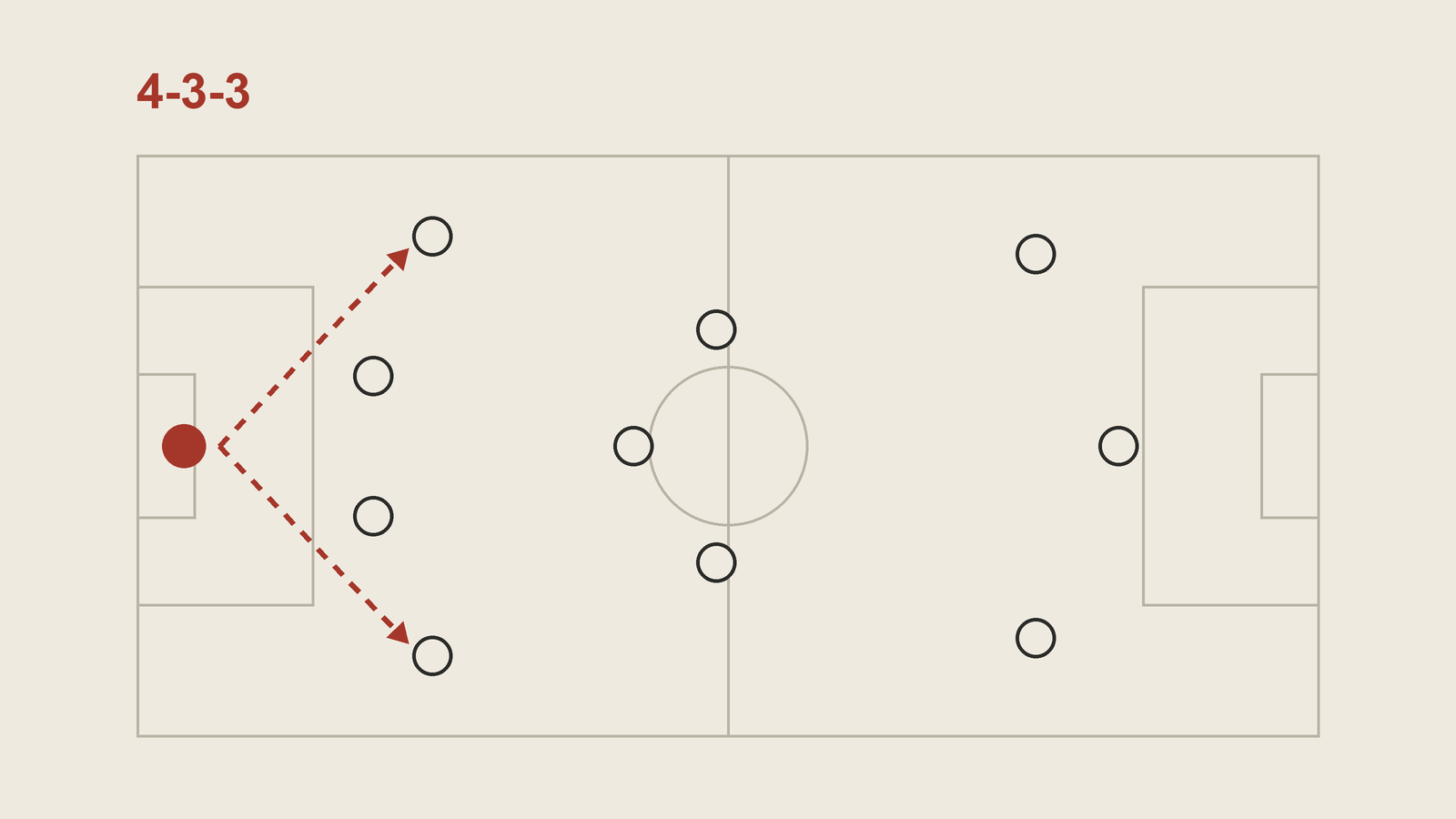
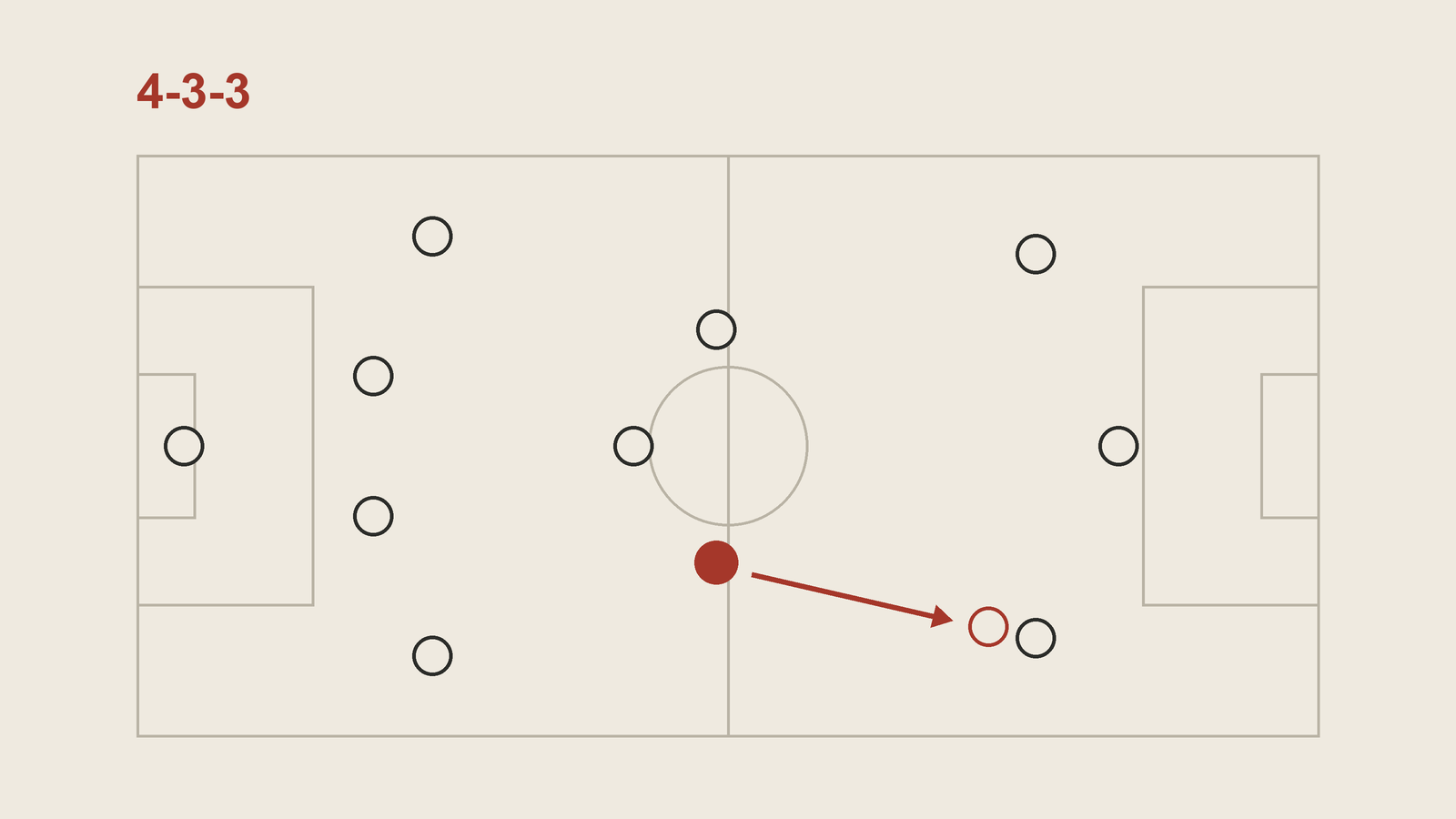
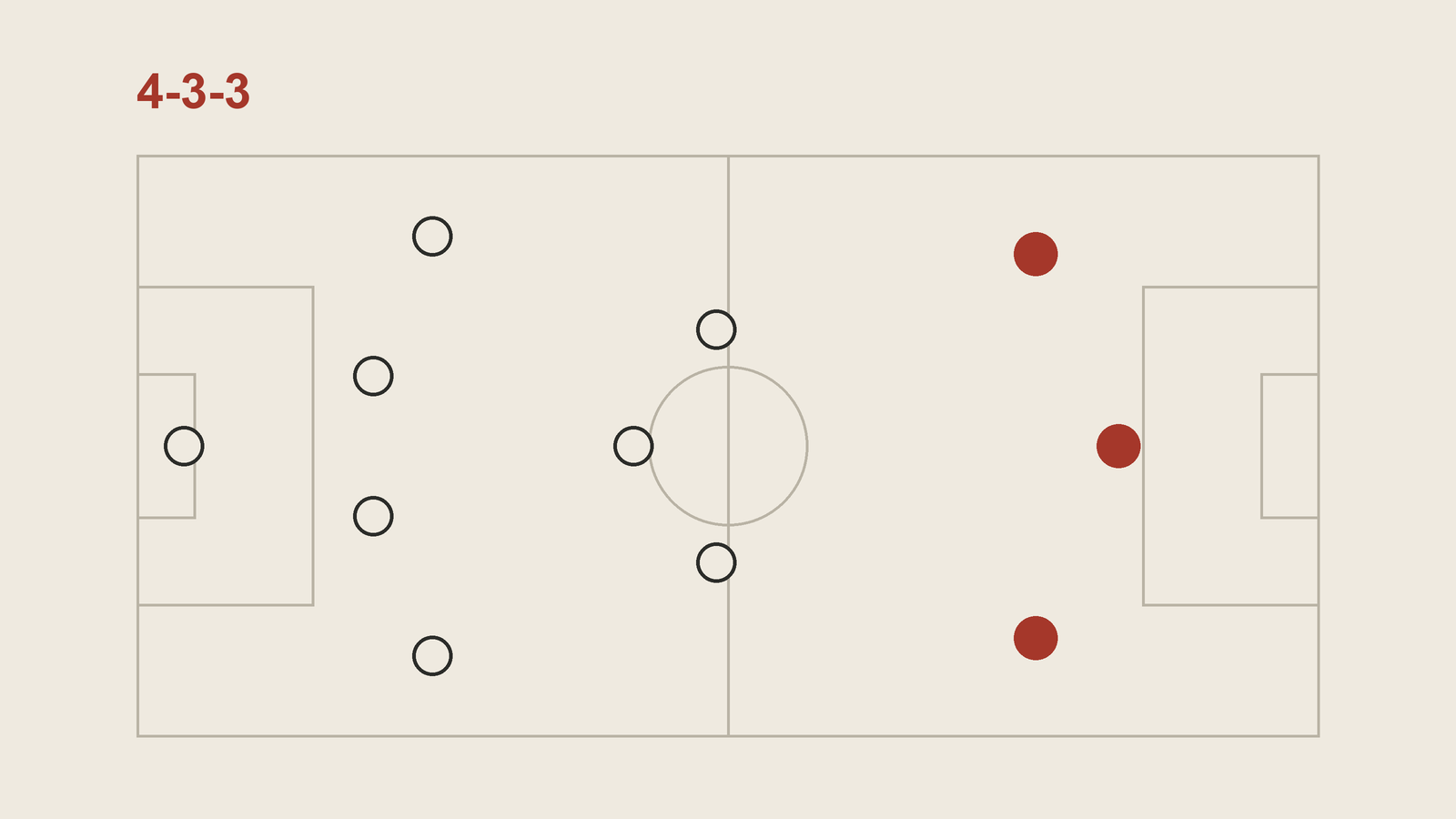
The 4-3-3 lines up four defenders, three midfielders and three forwards. How the single pivot, the two number eights and the wingers work, and where it breaks.