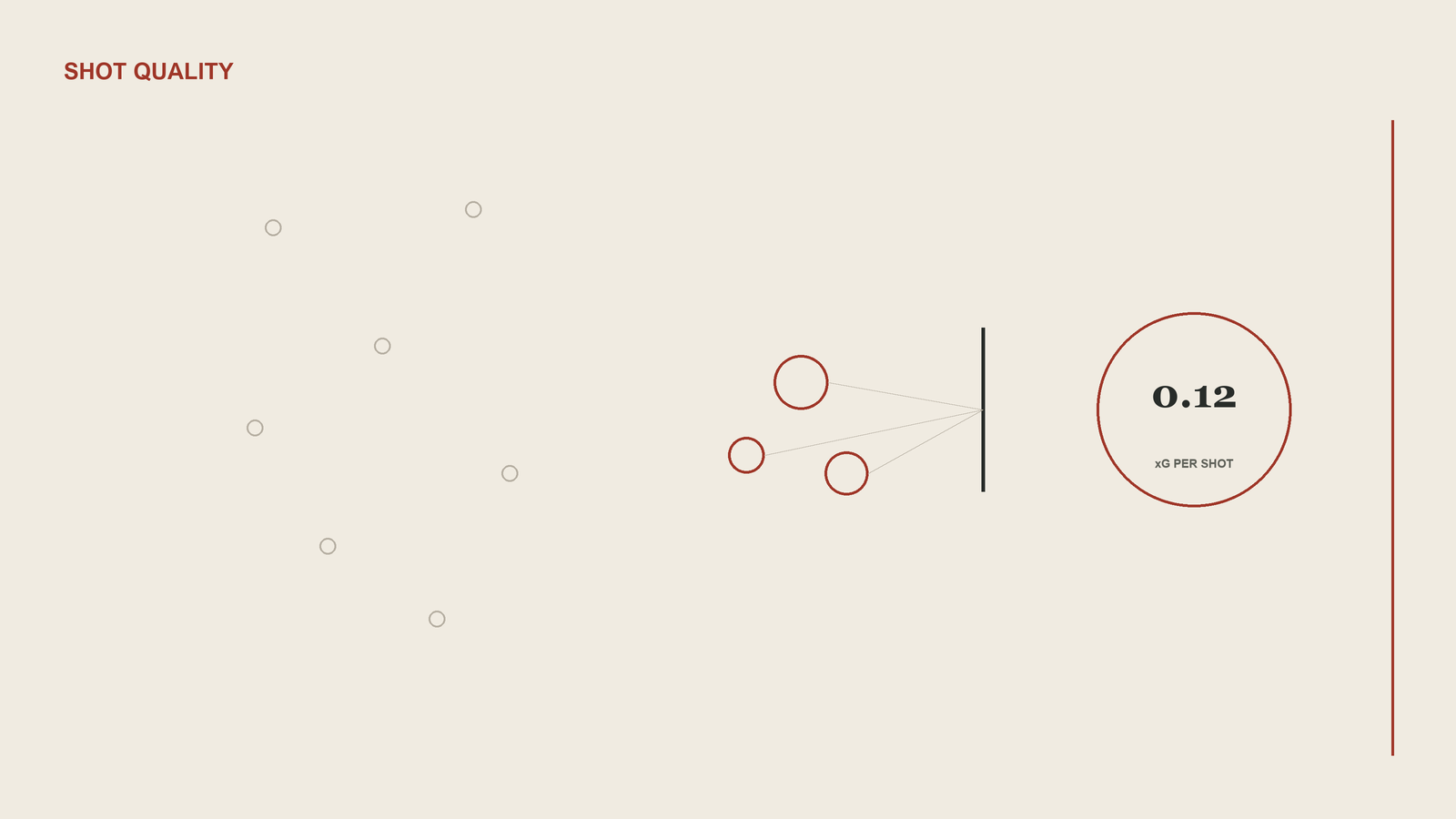
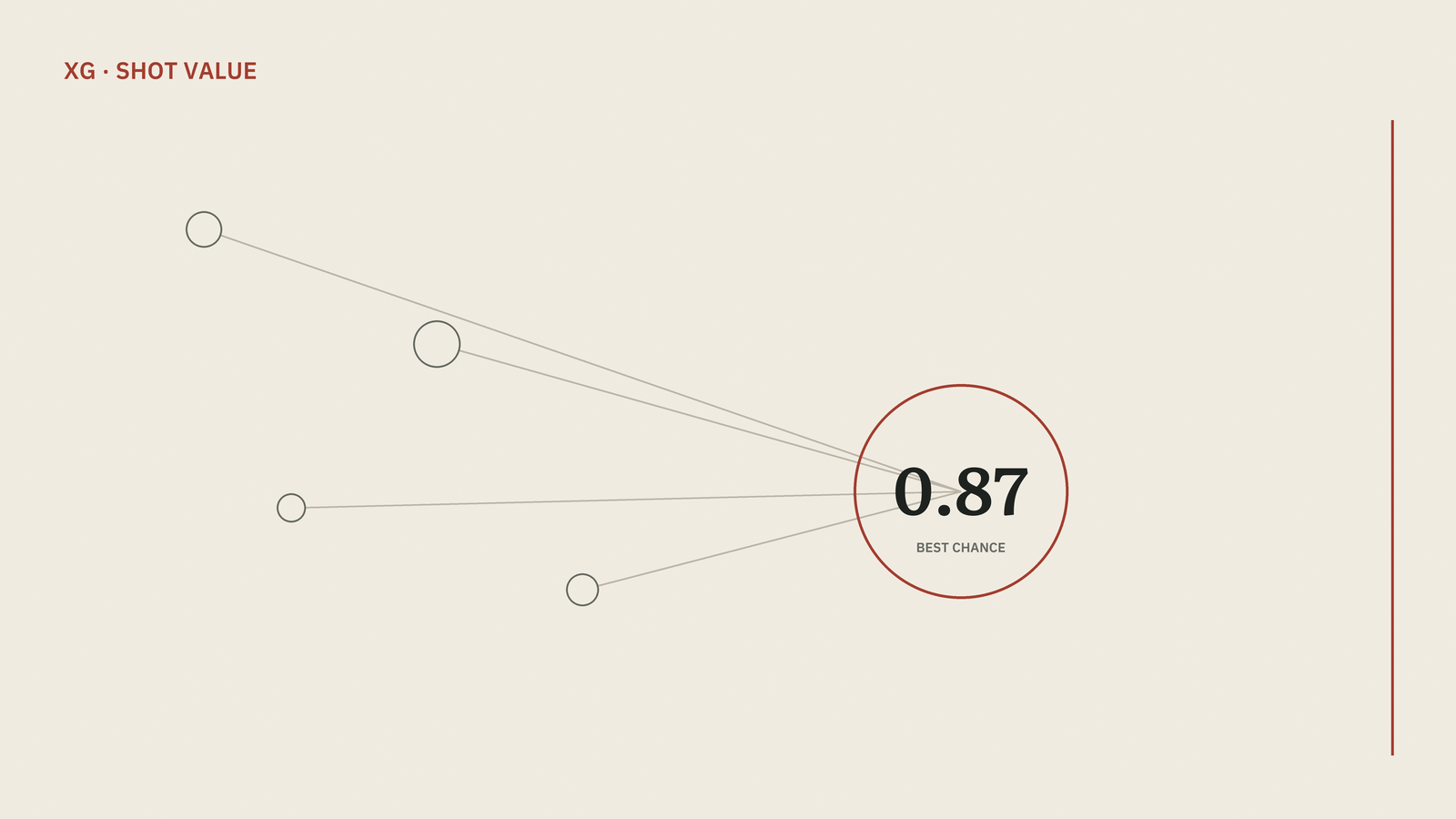
Shot quality is total xG divided by shots: the average chance a team creates or allows. Why volume and quality are separate levers, and where the number breaks down.
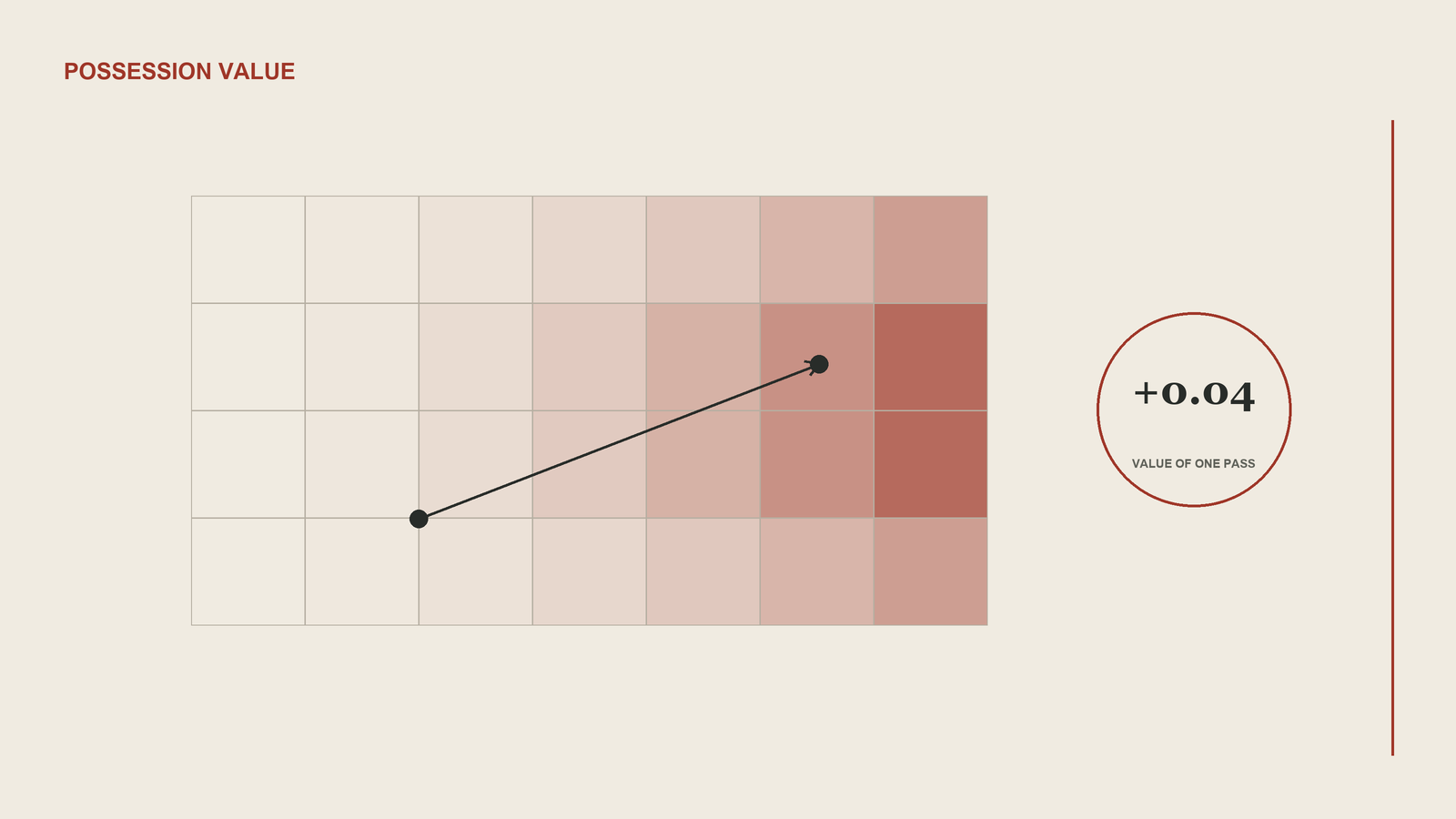
Possession value models such as xT, VAEP and OBV put a goal-probability value on every pass, carry and tackle, not just shots. How they differ and where they break down.
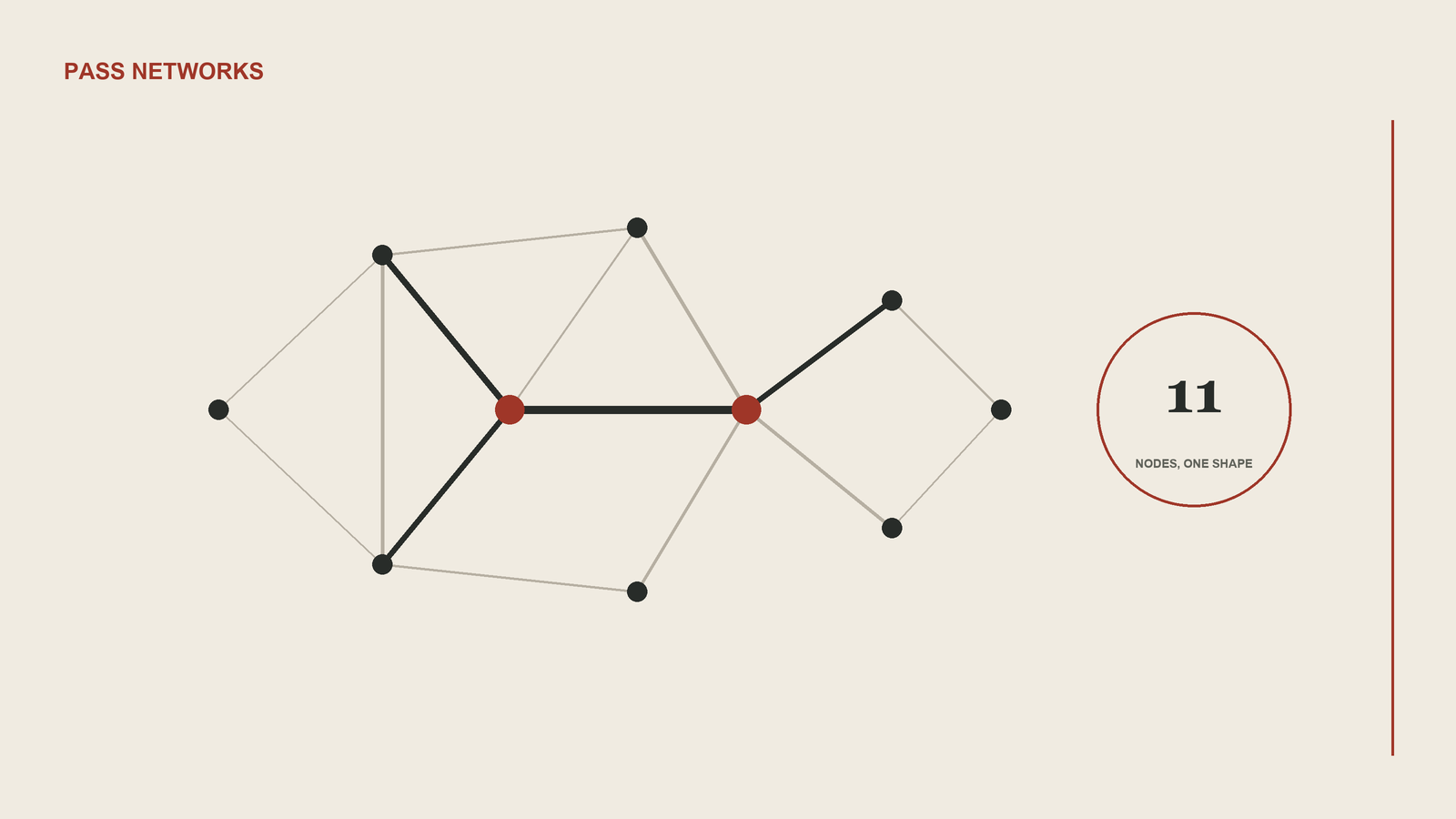
A pass network plots each player at their average position and links them by how often they pass to each other. Here is how it is built and how to read one.
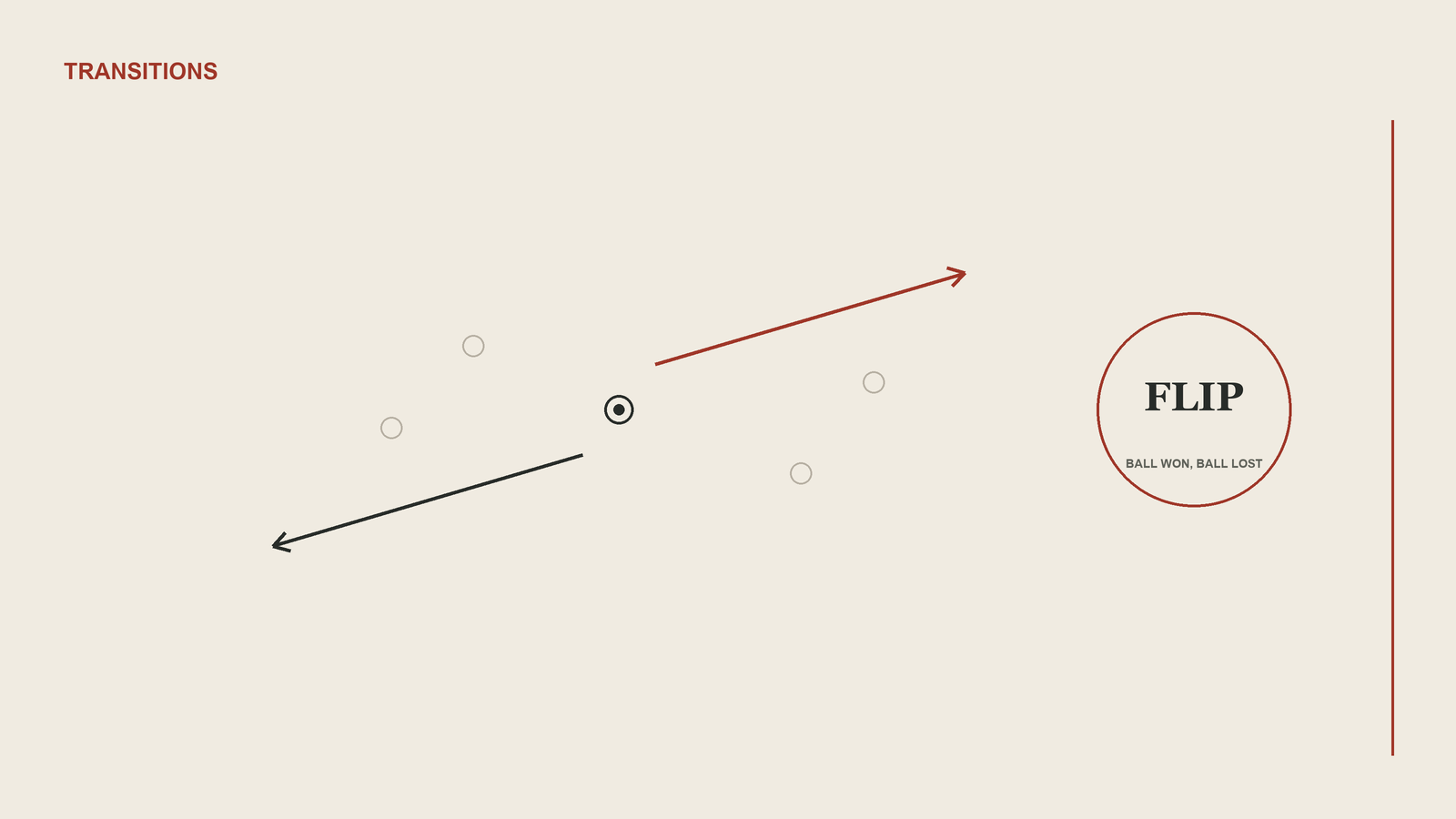
Transitions are the seconds after possession changes hands. Here's why attacking and defensive transitions produce so many chances, and how teams plan for both.
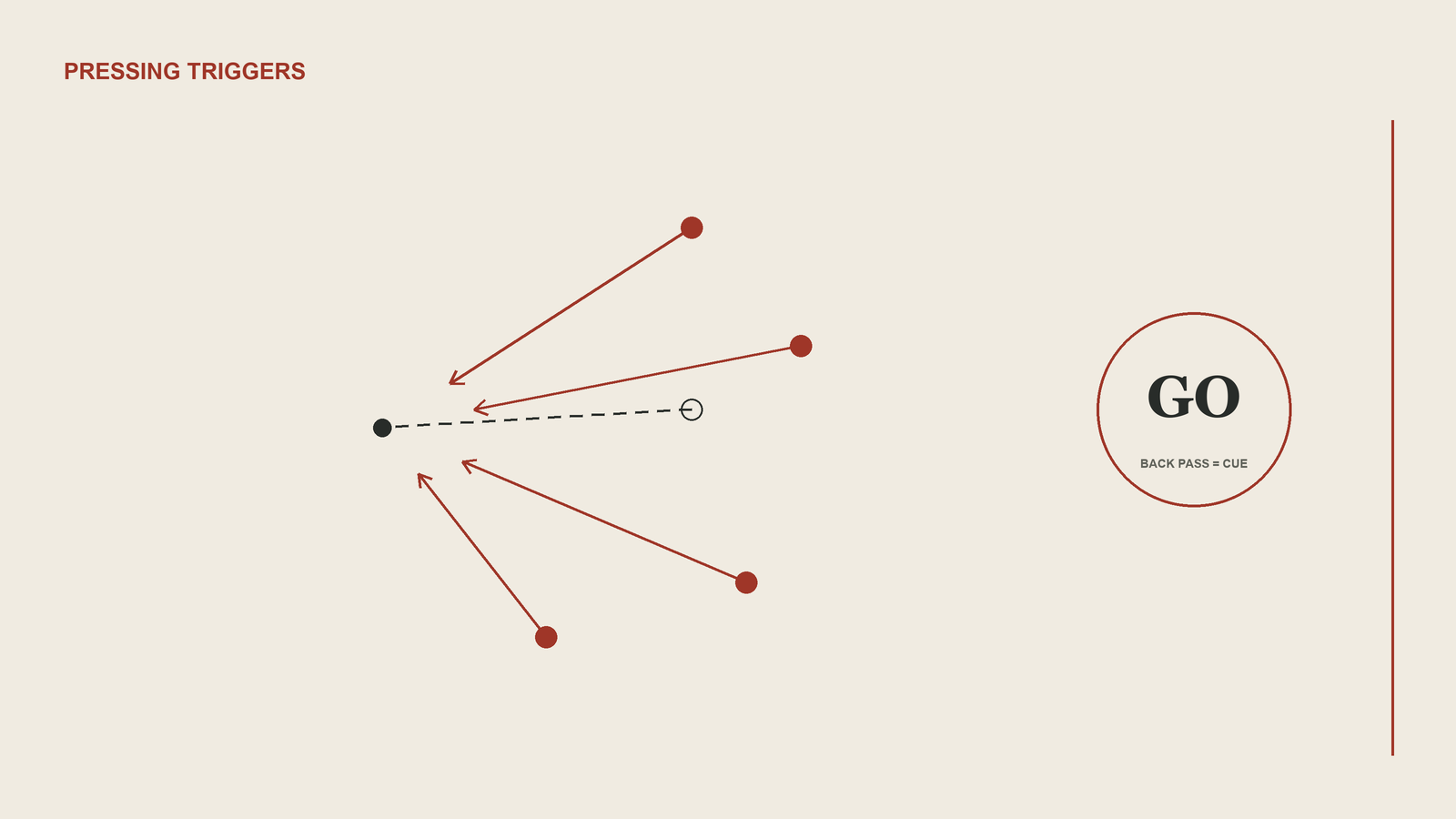
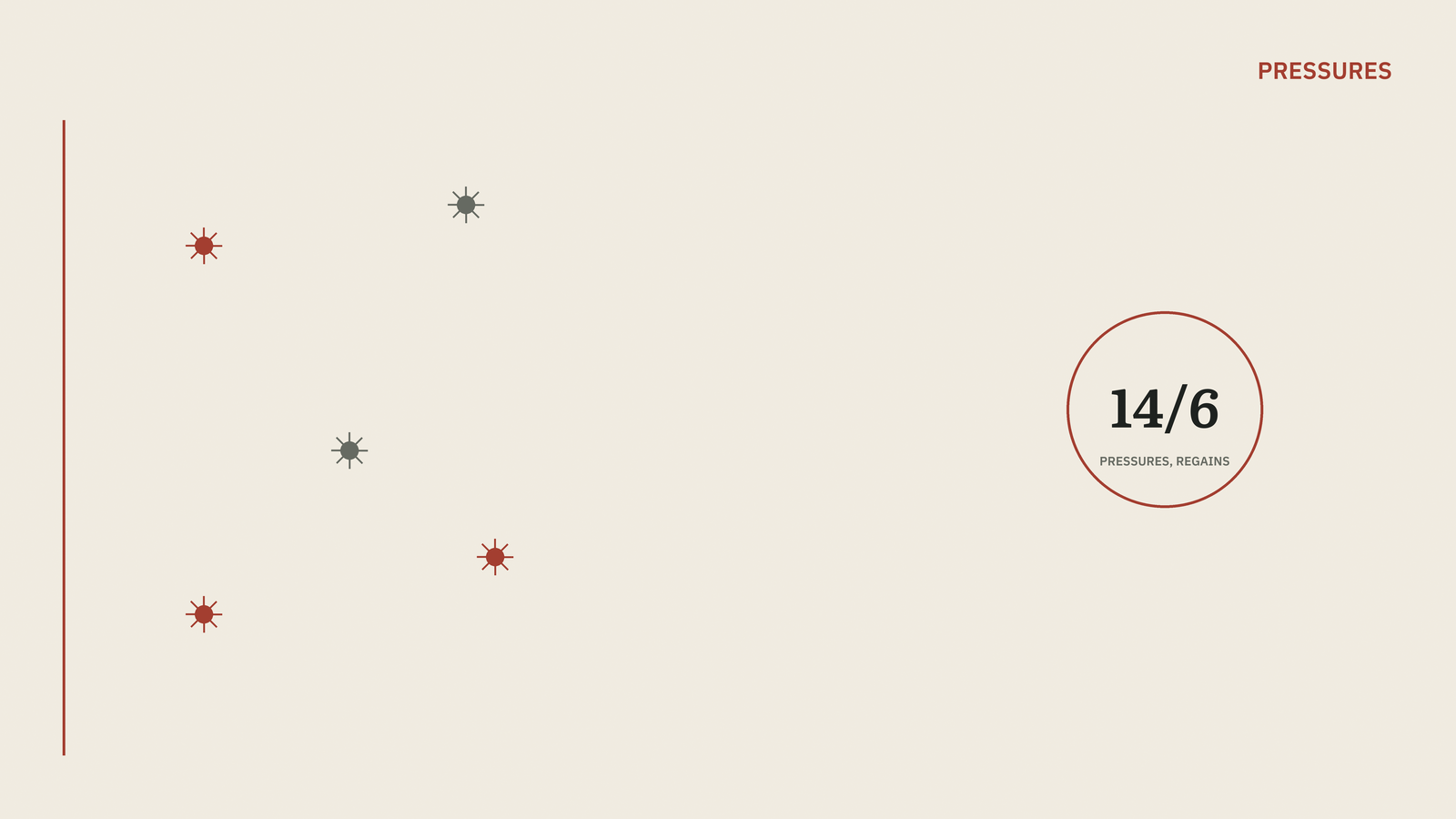
Pressing triggers are pre-agreed cues, like a bad touch or a back pass, that tell a team to press together. Here's how they work and what the stats miss.
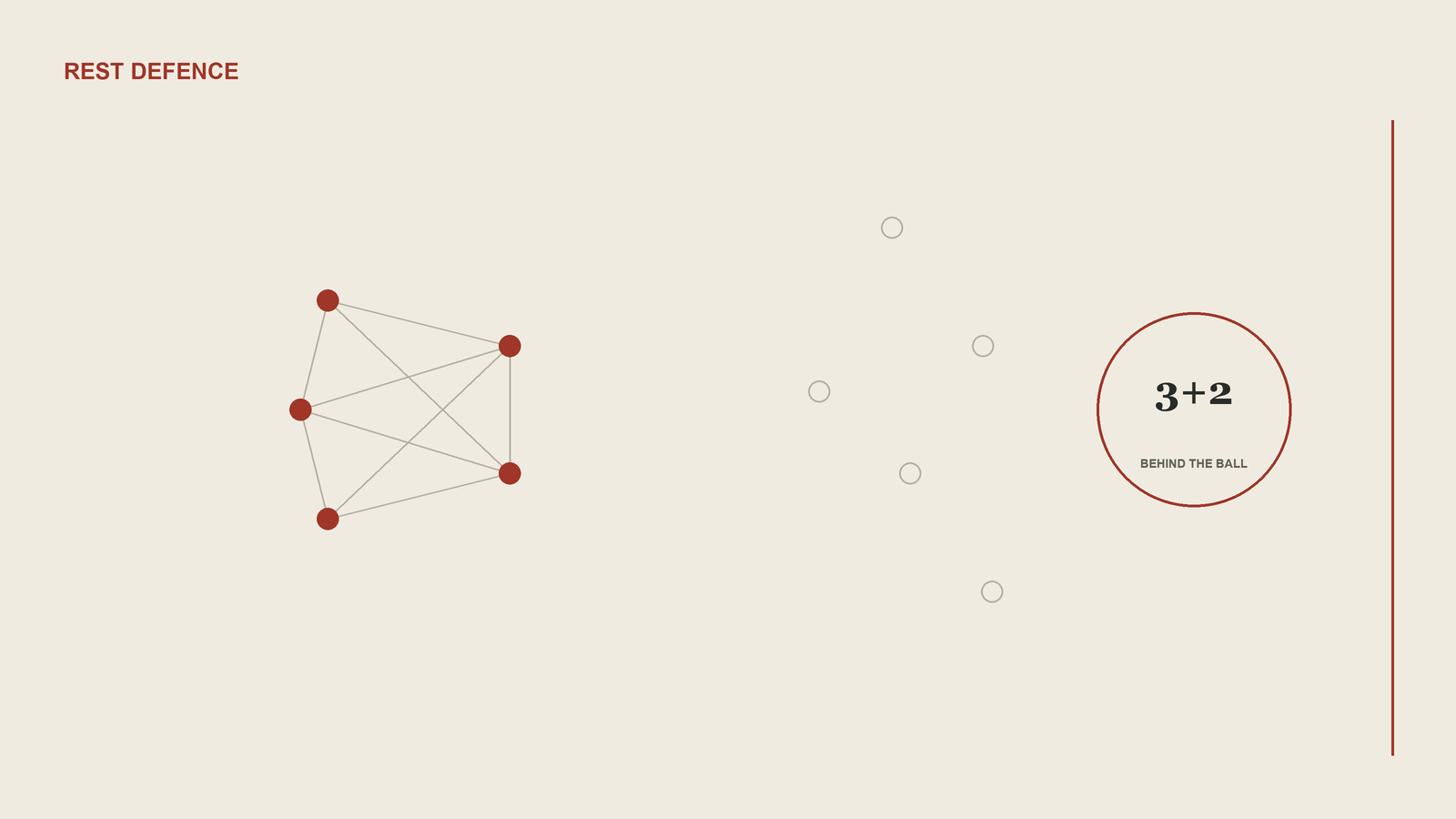
Rest defence is the shape a team keeps behind the ball while it attacks. Here's how 2+1 and 3+2 structures work, how it pairs with counterpressing, and what data shows.
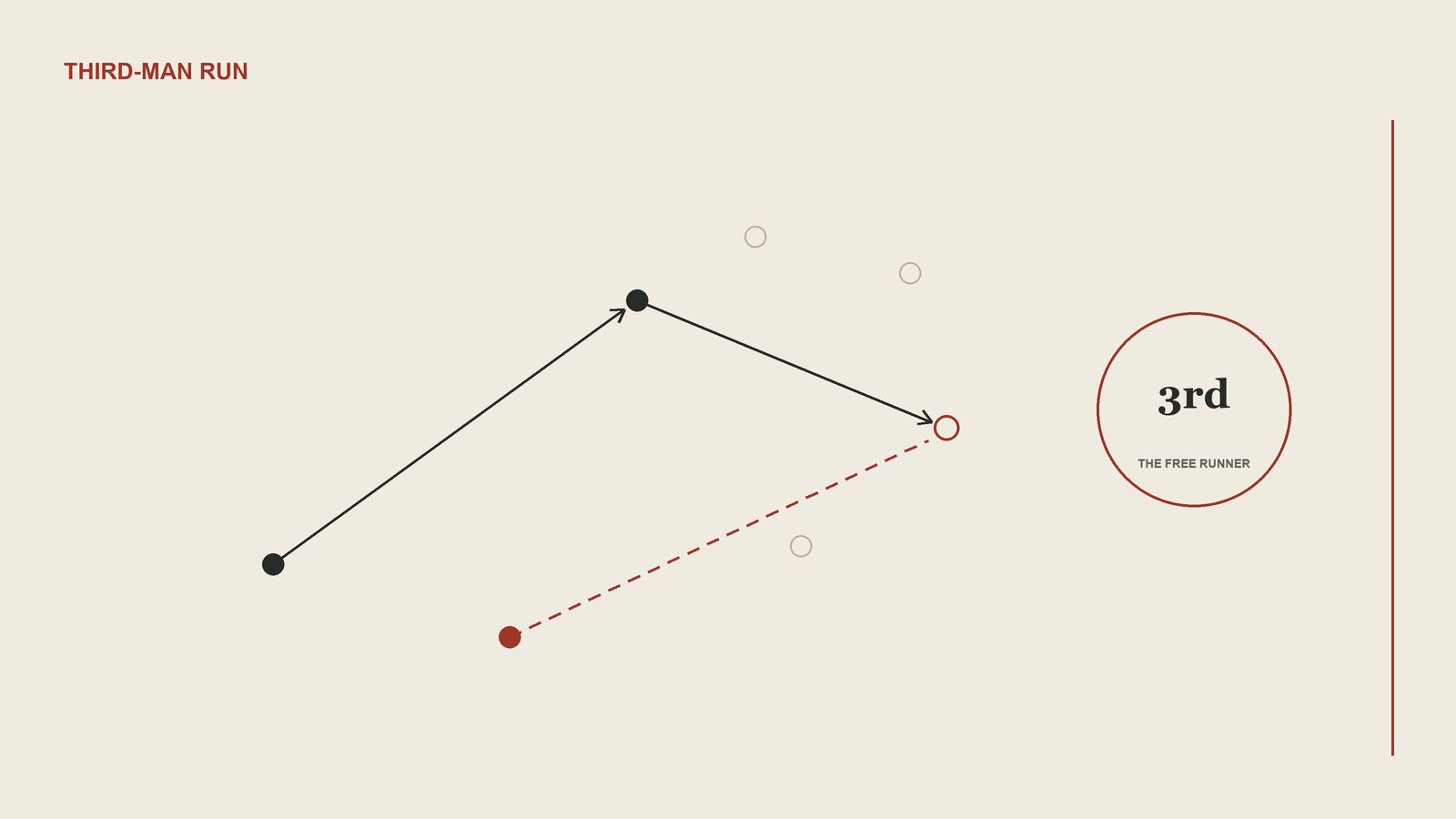
A third man run uses a bounce pass to reach a runner the first passer could not find directly. Here's how it works, why it beats compact defences, and its limits.
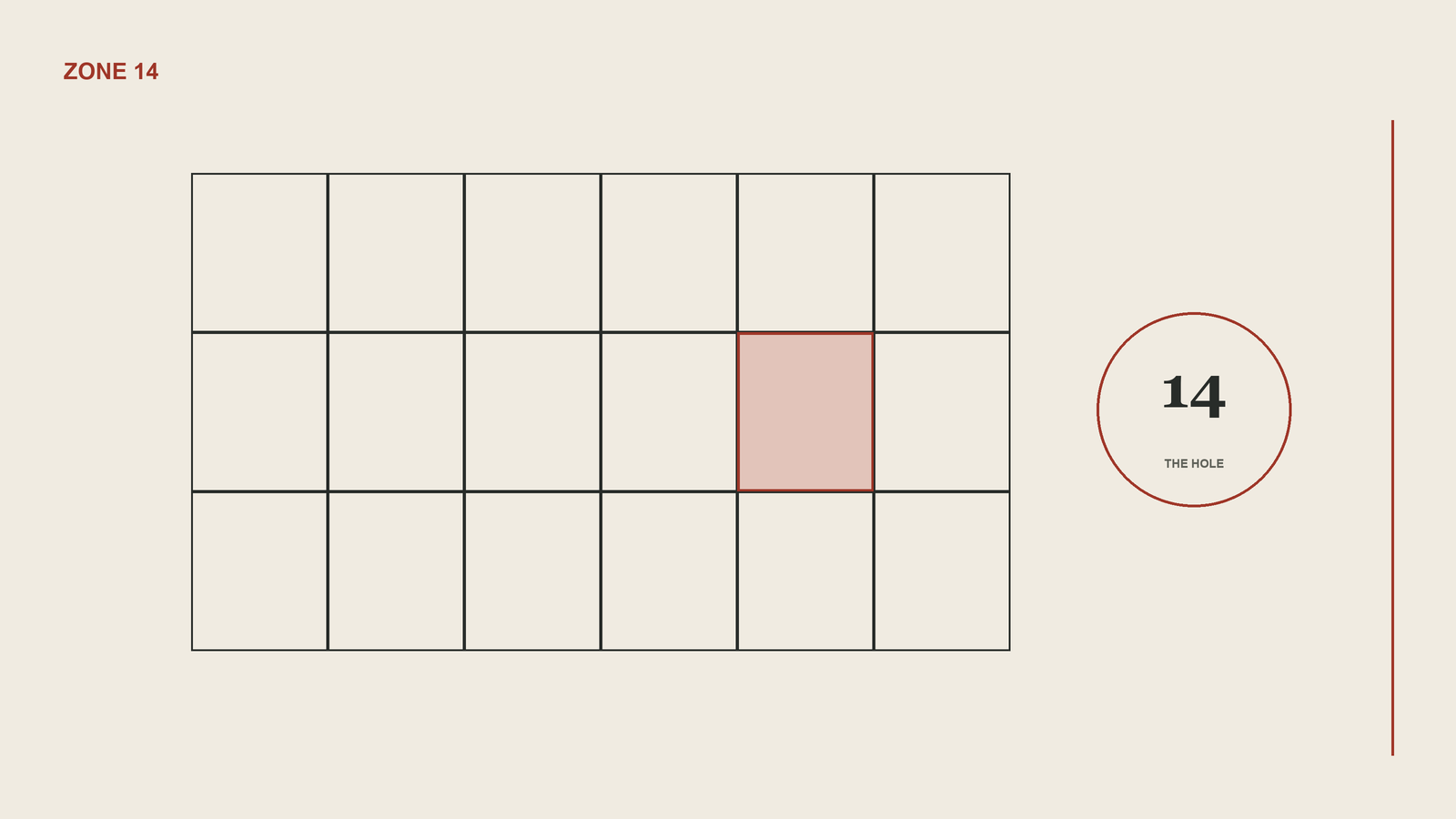
Zone 14 is the central area just outside the penalty box on an 18-zone pitch grid. Here is where the idea came from, why coaches care, and what it misses.
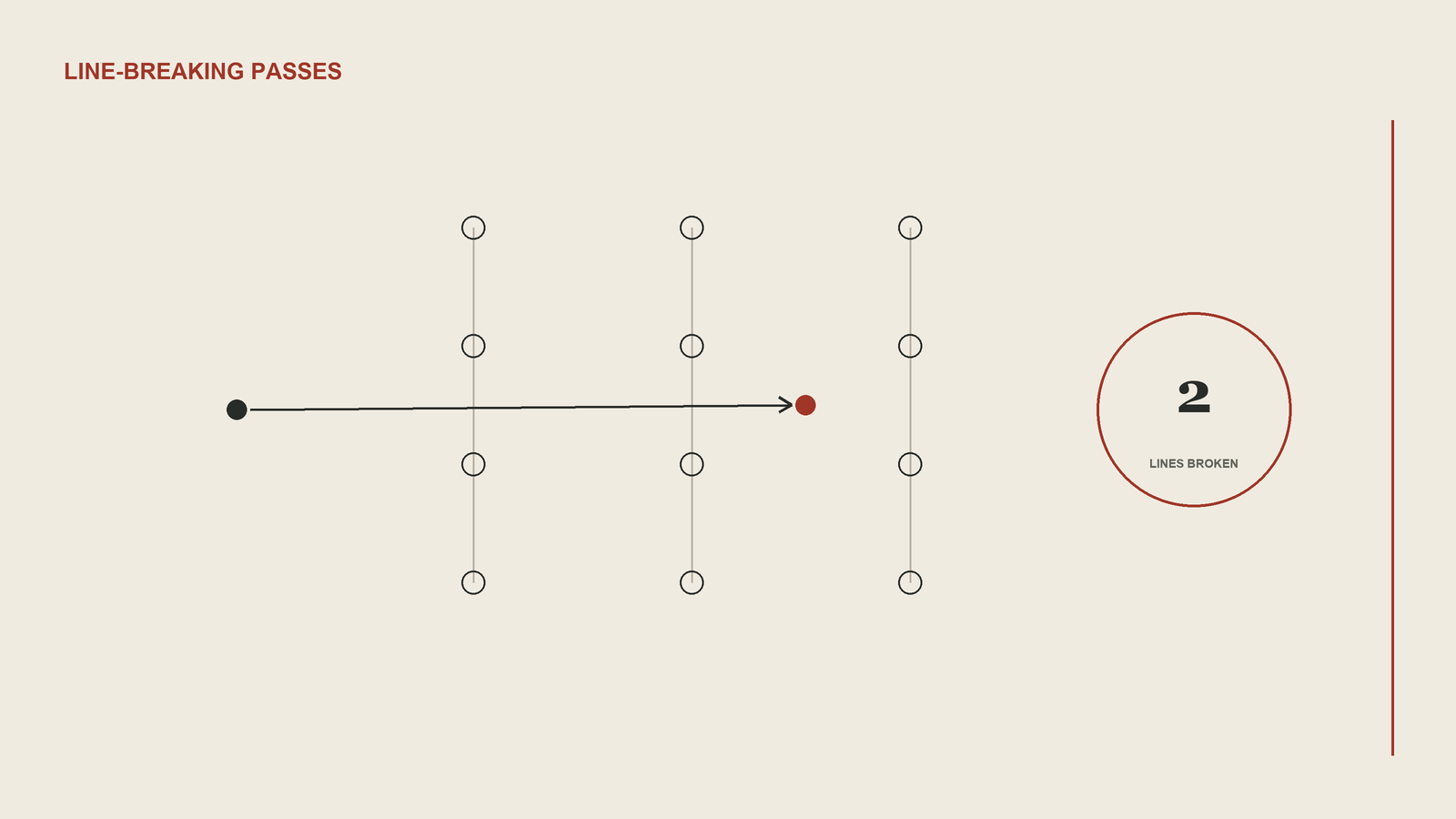
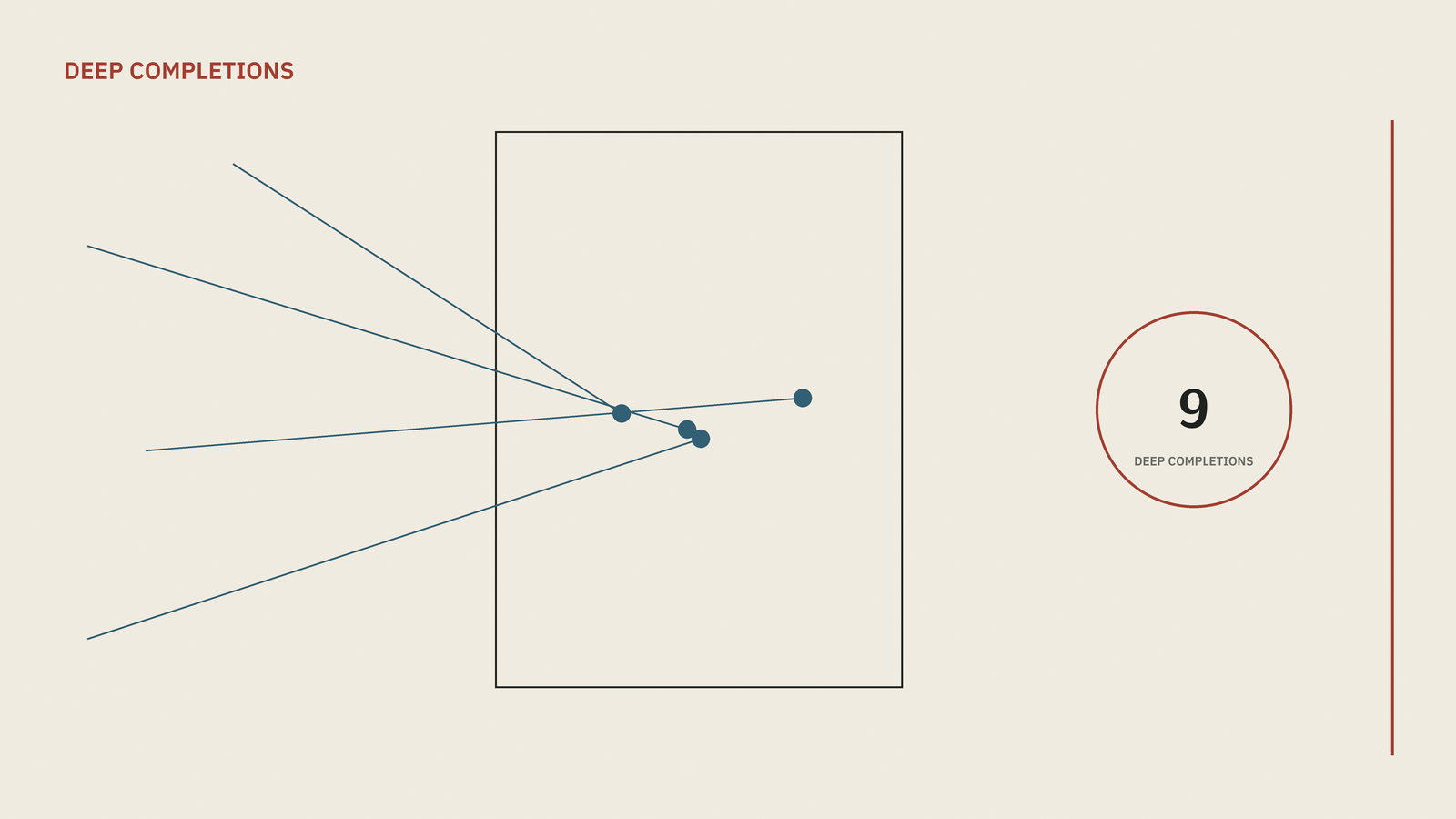
A line-breaking pass travels through or beyond a line of opposition players. Here's how analysts detect it, why coaches prize it, and what the count leaves out.
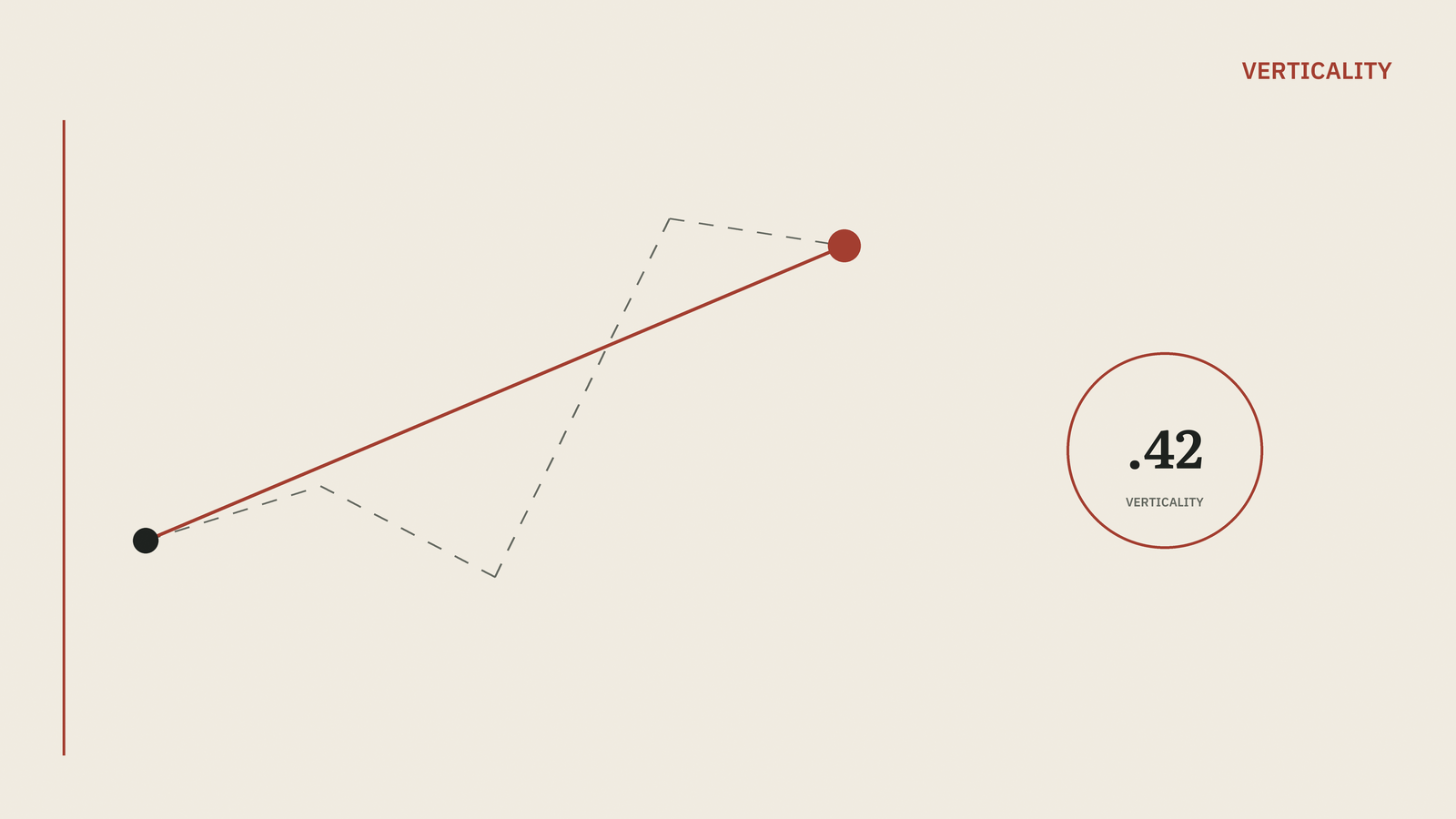
Two teams can complete the same number of passes and advance the ball at completely different speeds. Verticality measures how directly a team goes toward goal.
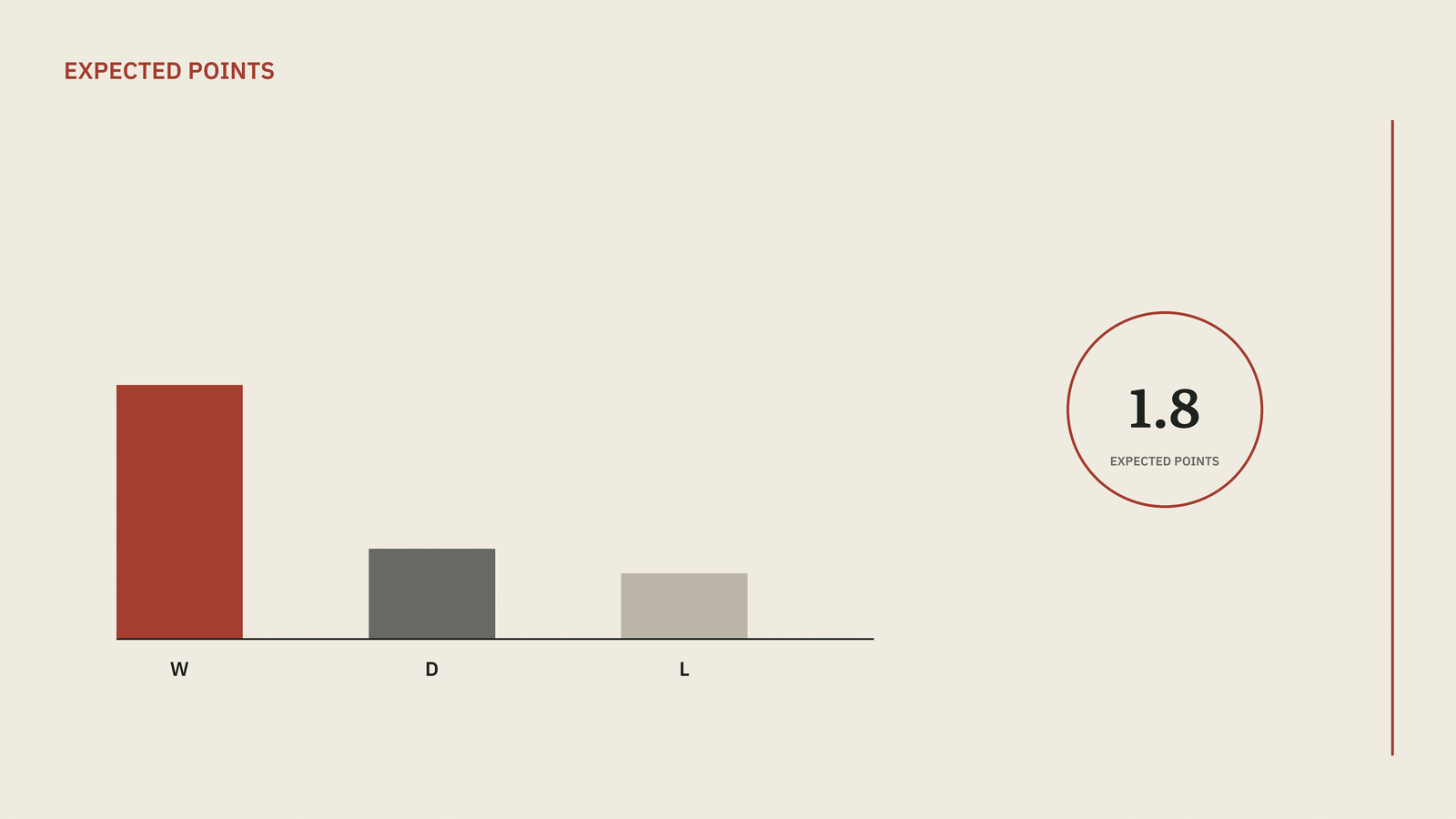
A win is three points whether it was deserved or not. Expected points strips the randomness out of results and asks what a team's performances actually merited.
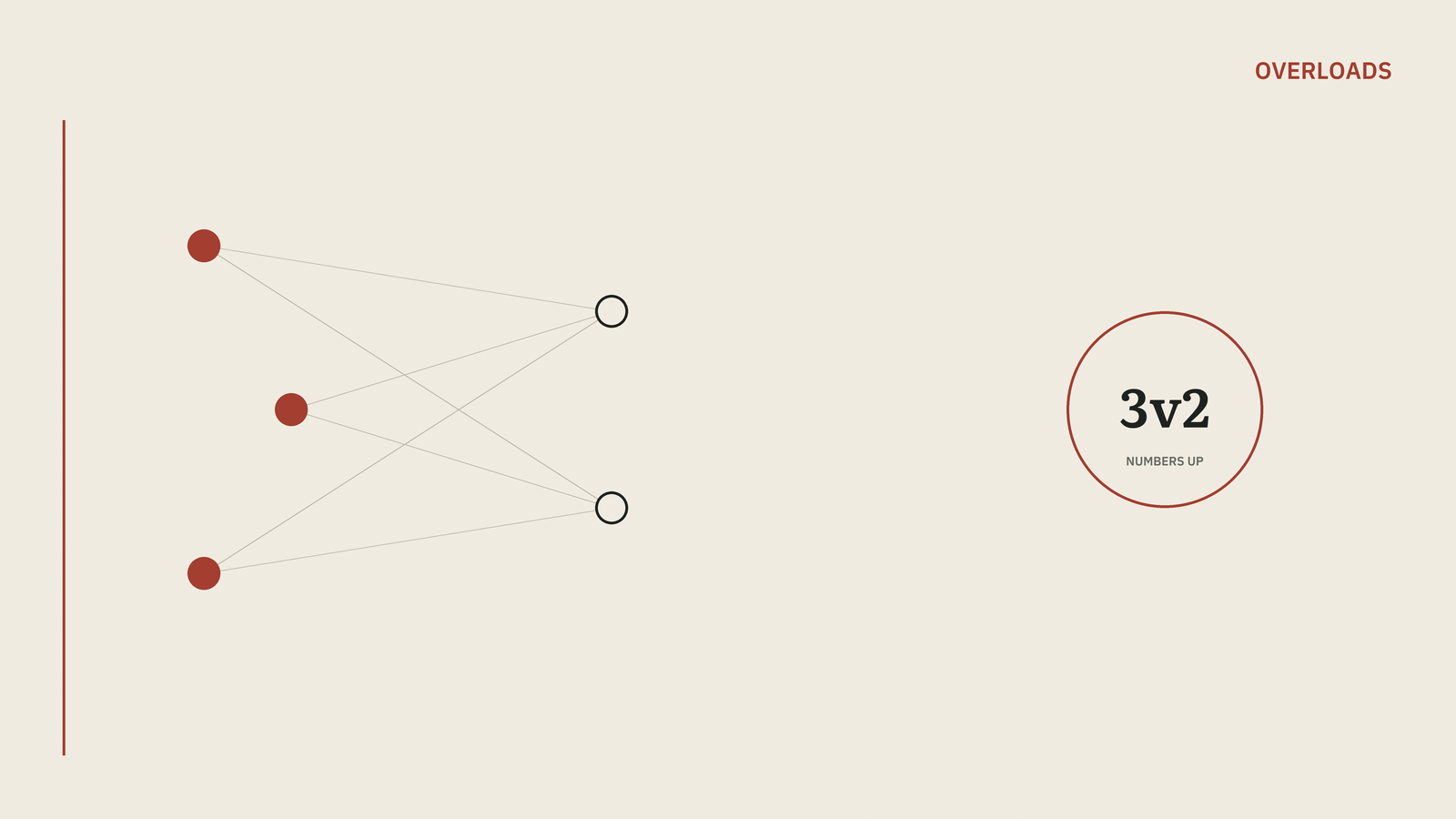
Football is often decided by moments where one side simply has more players than the other in a small area. An overload is how teams engineer that advantage on purpose.
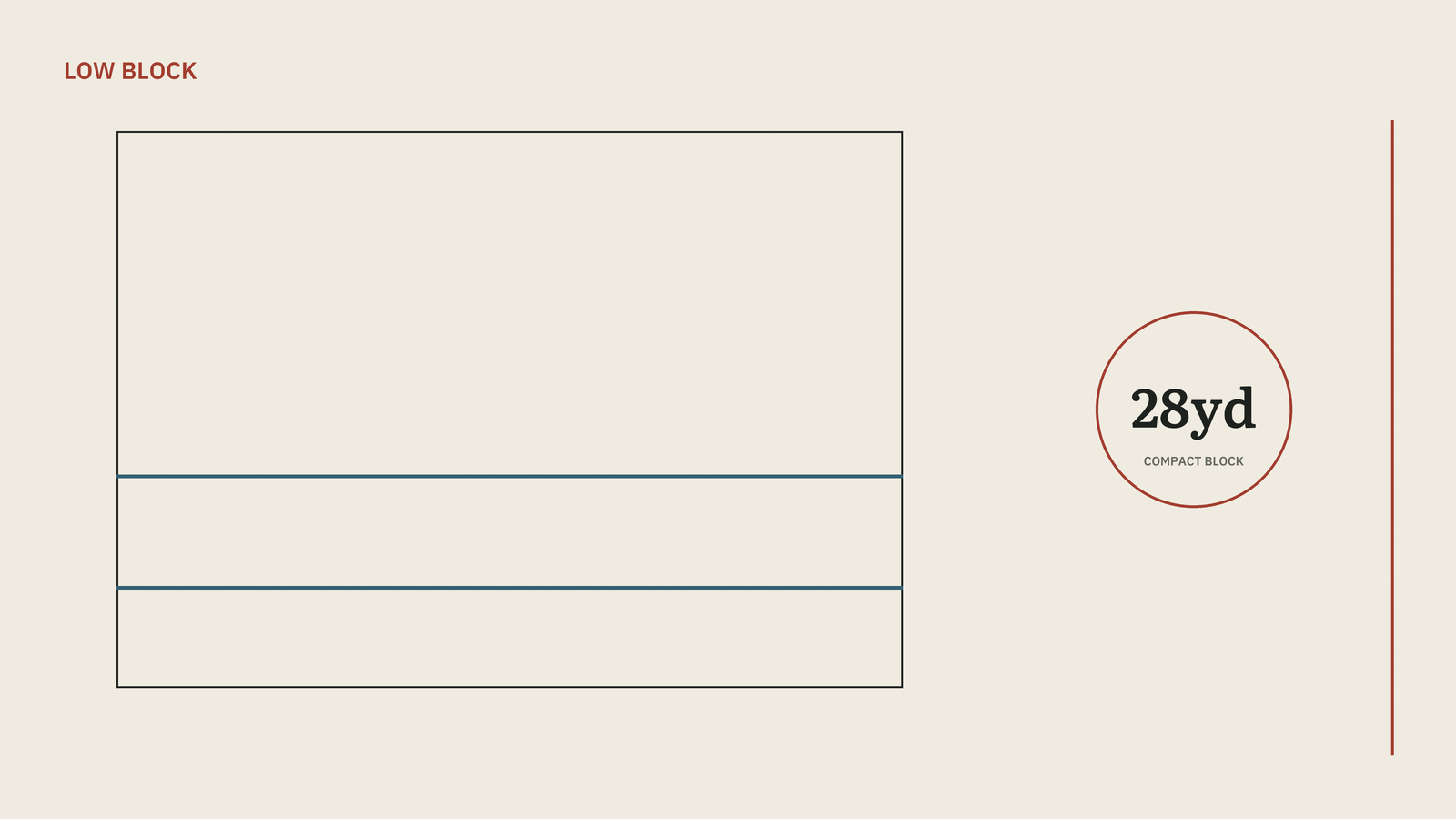
Not every team wants the ball high up the pitch. A low block gives up territory on purpose, packing numbers near goal and forcing the opponent to solve a crowded box.
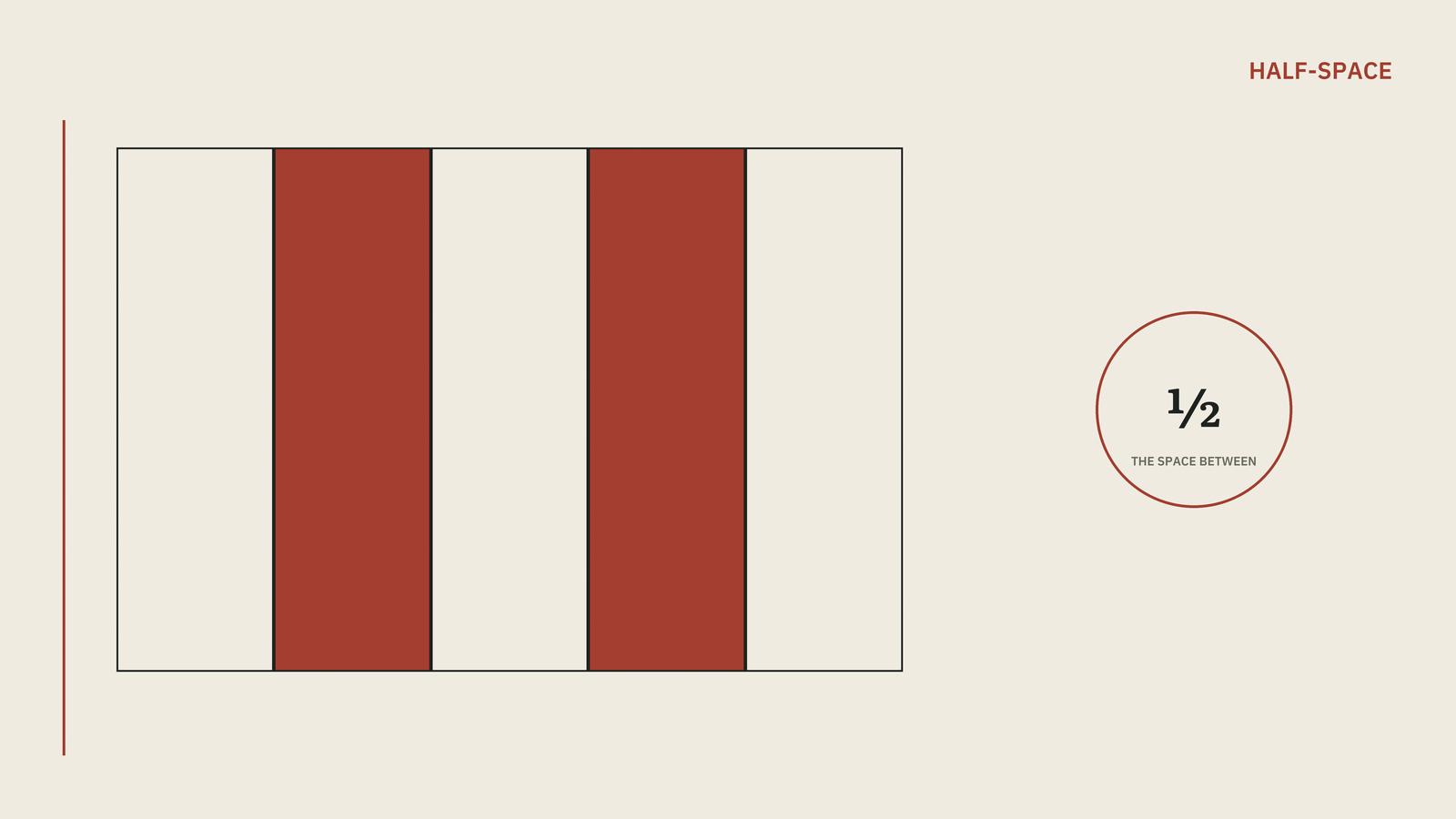
Football commentary talks about wings and the center. The half-space is the corridor in between, and it's where a huge share of modern attacking play actually happens.
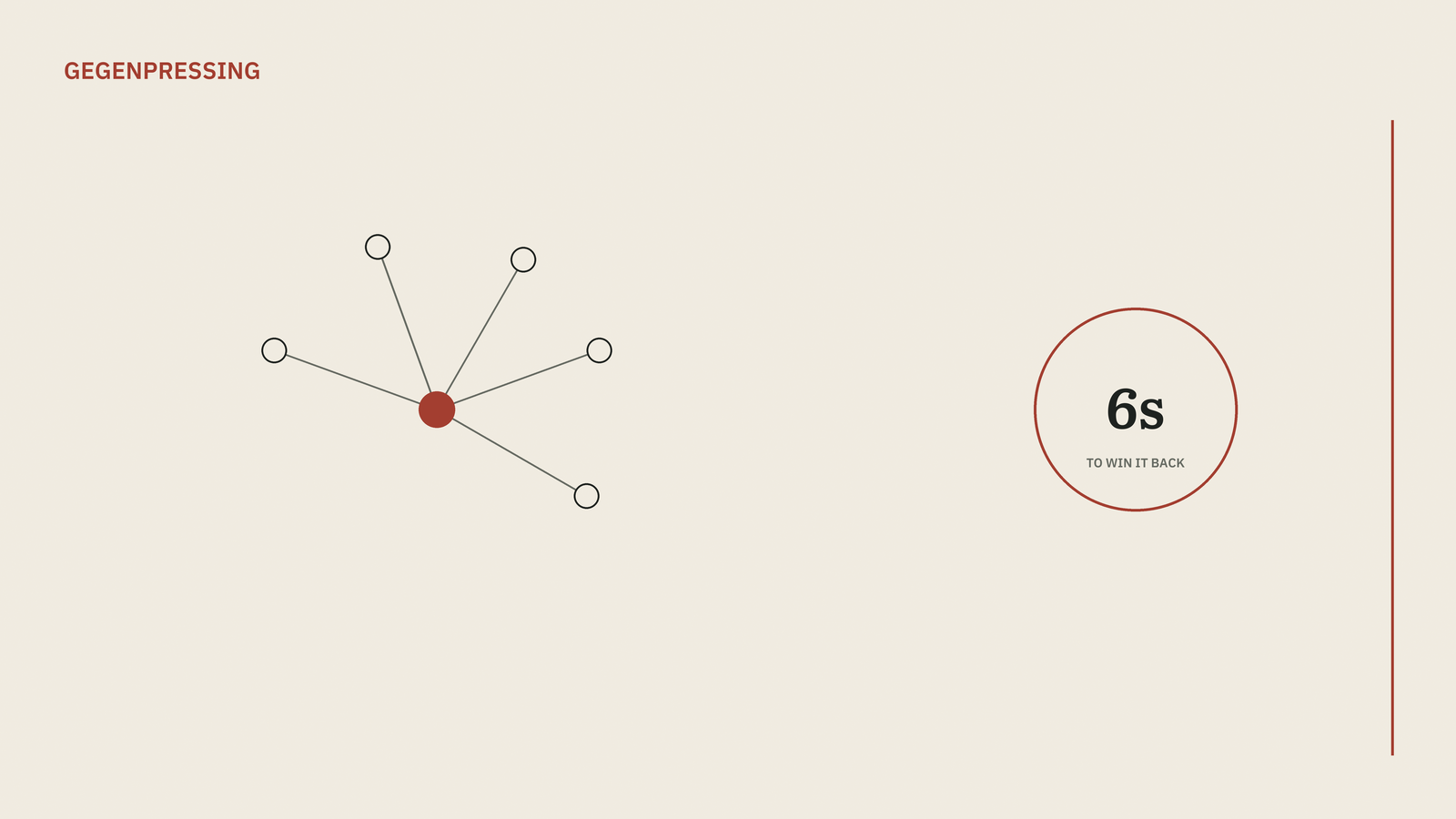
Losing the ball used to mean stopping to reorganize. Gegenpressing treats the moment of loss as the best chance to win it straight back, before the opponent can even think.
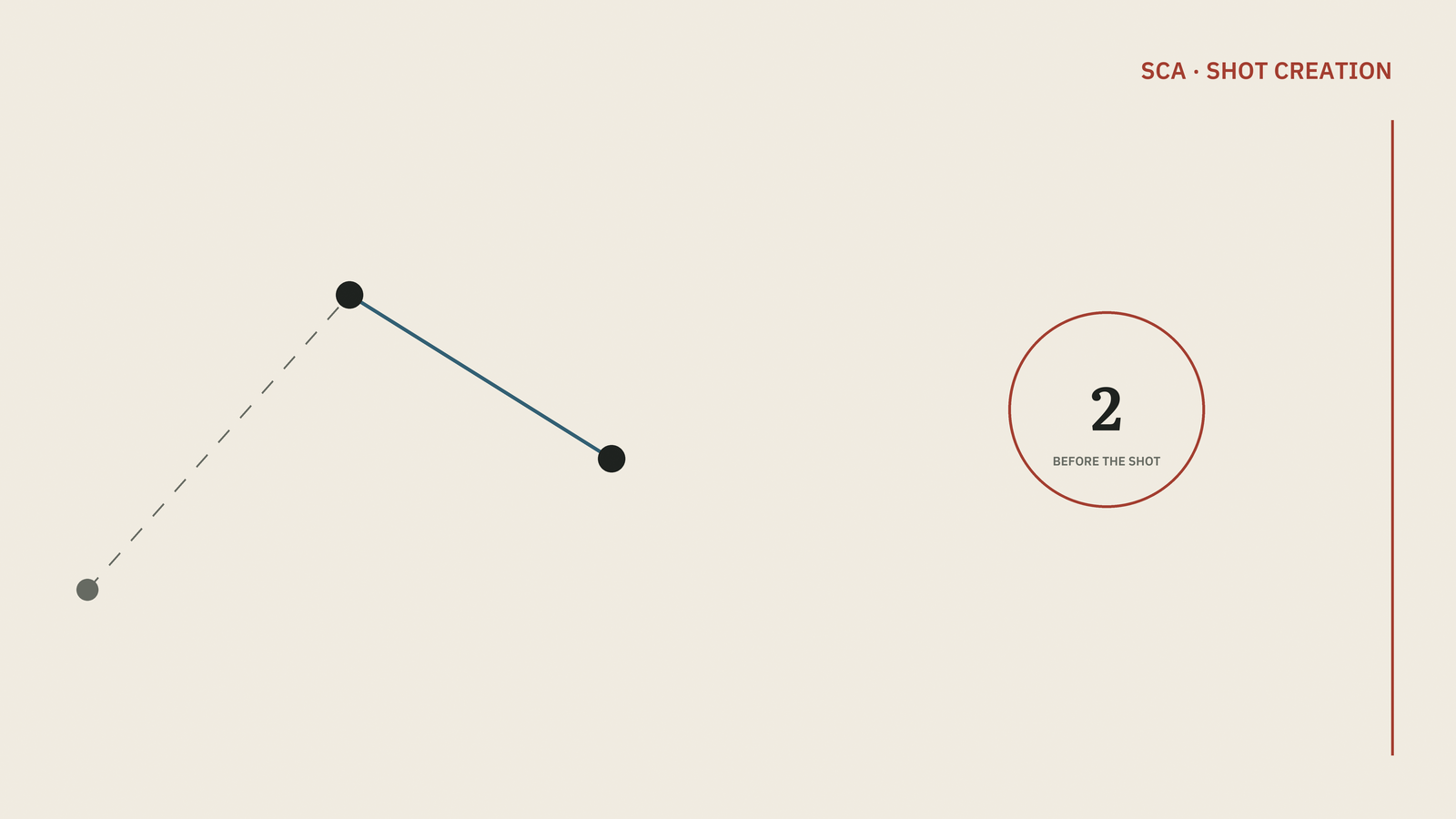
Assists only credit the final pass before a goal. Shot-creating actions count the two plays before every shot, crediting the buildup that assist totals miss entirely.
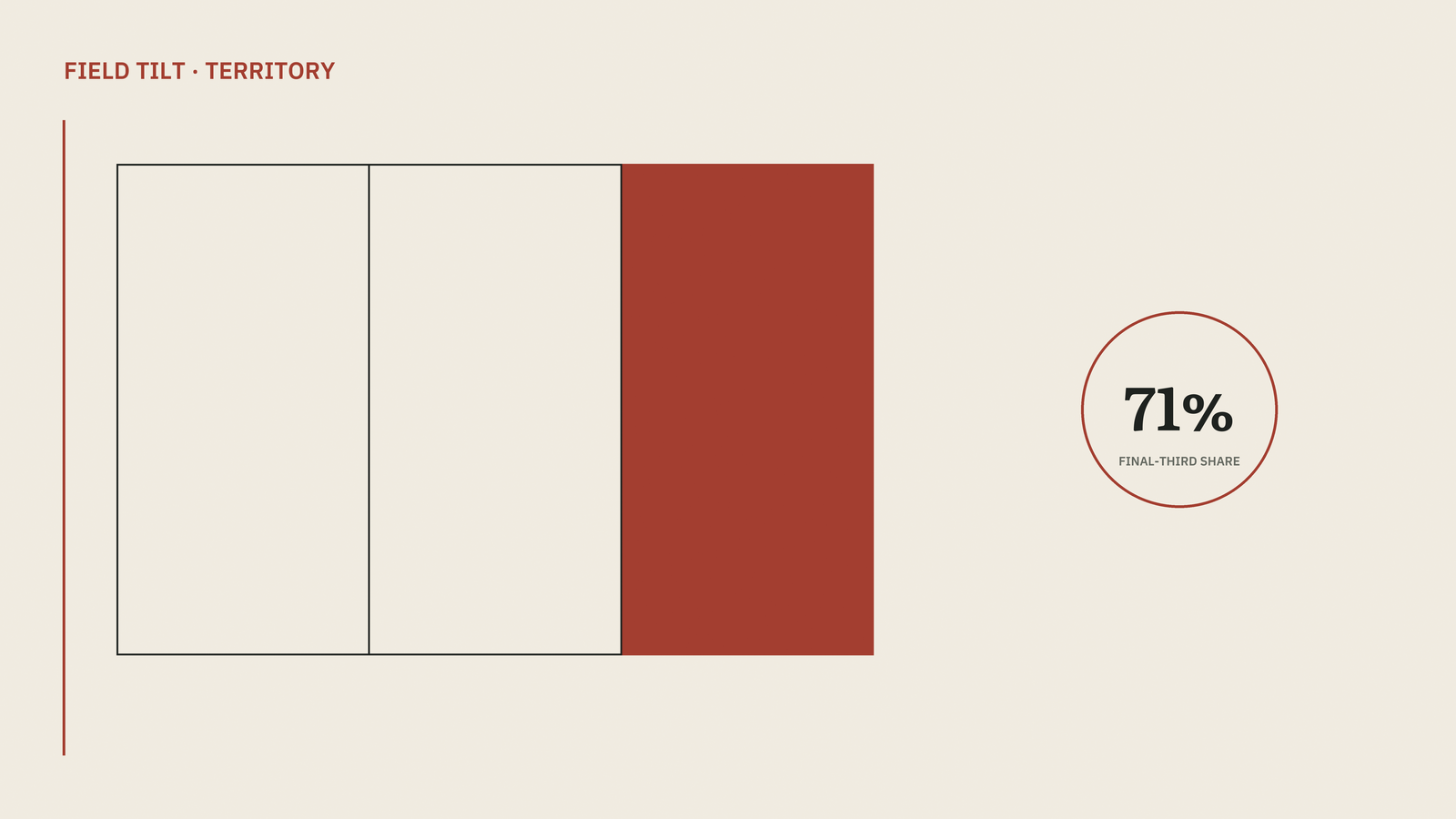
Possession counts every touch the same, in your own box or the opponent's. Field tilt measures territory directly, by tracking where the passing actually happens.
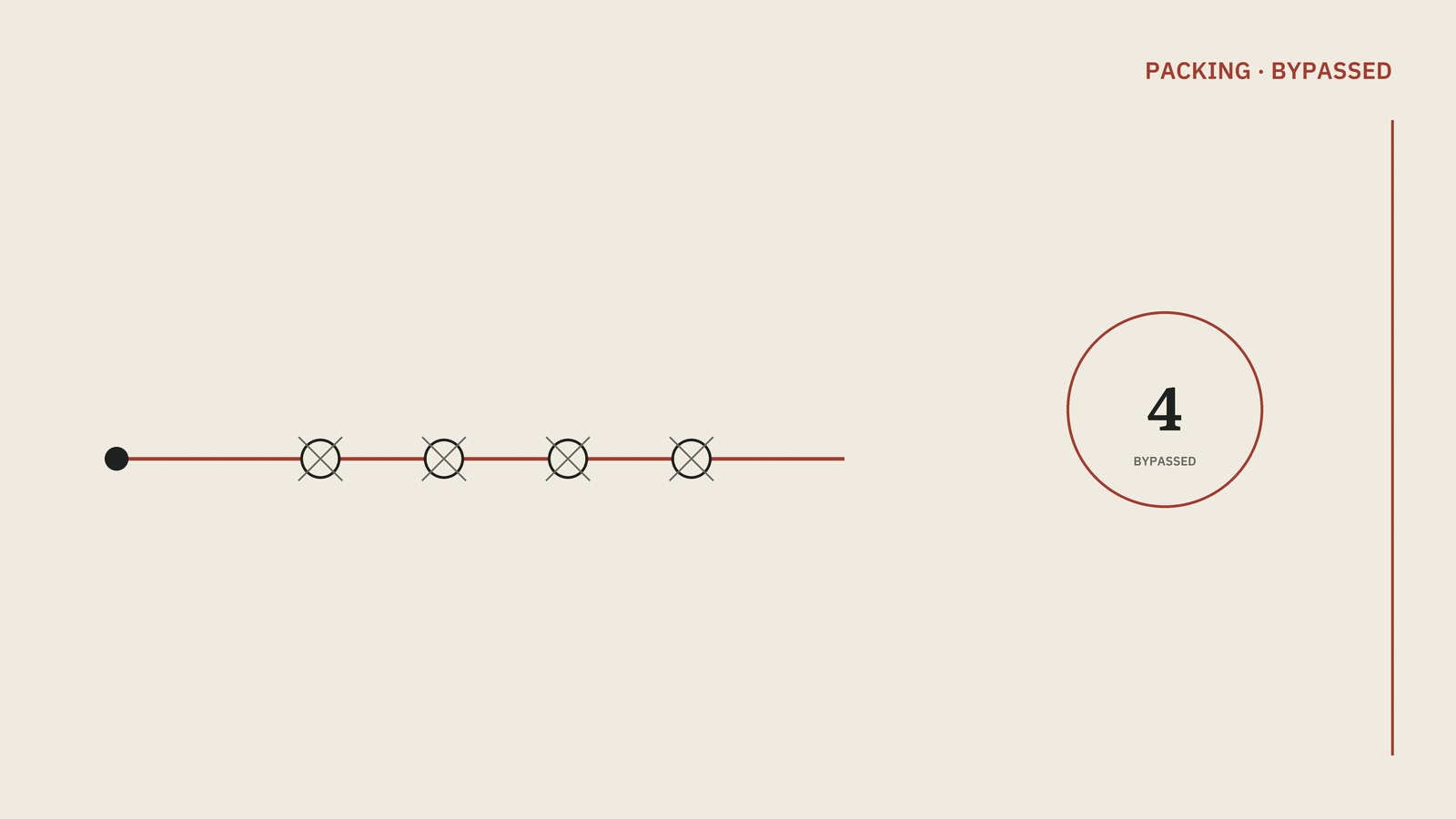
A short pass through the right gap can do more damage than a long ball into open space. Packing counts how many defenders a single pass or dribble actually eliminates.
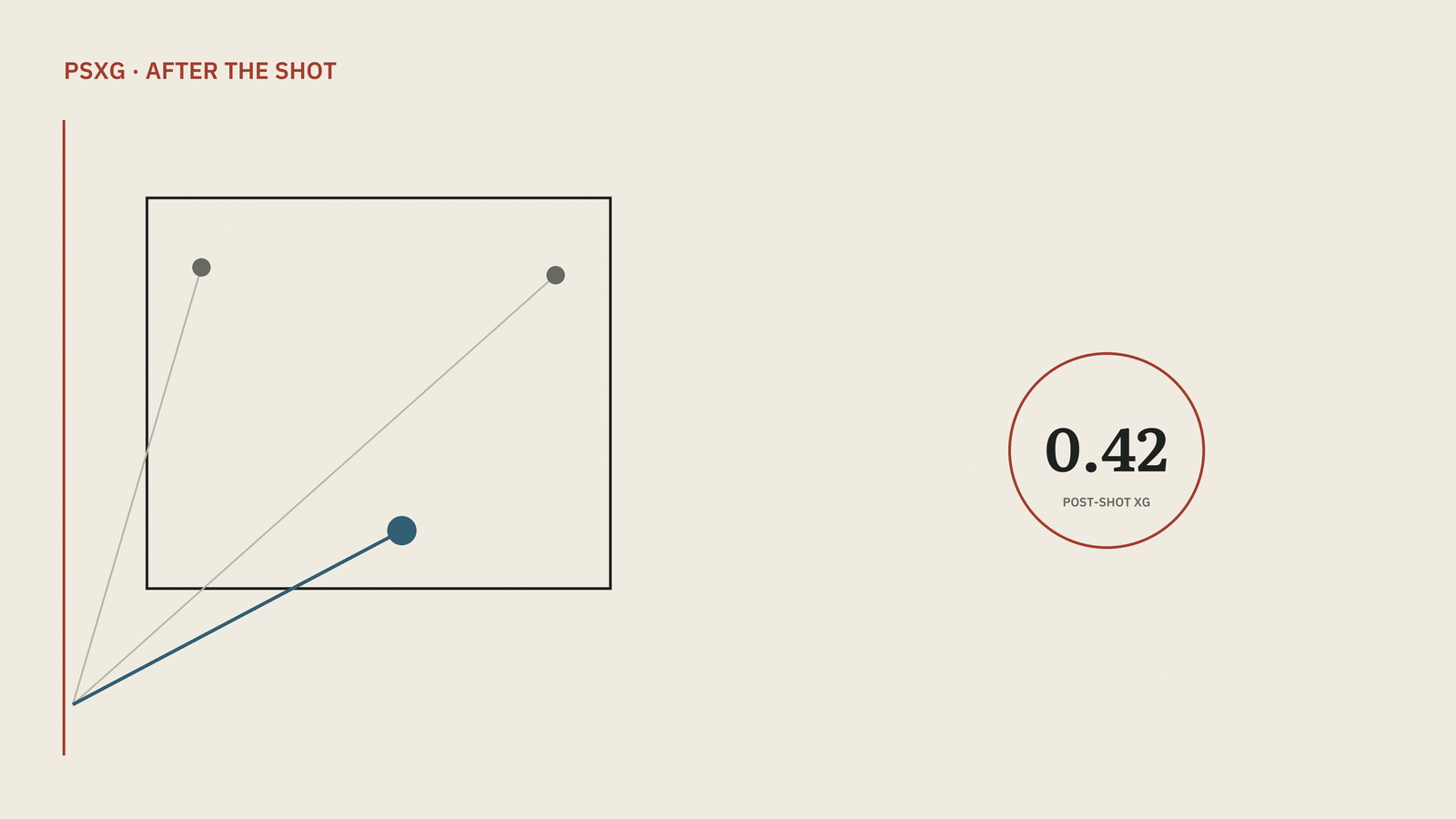
Pre-shot xG can't see where the ball actually went. Post-shot xG grades a shot after it's struck, making it the clearest public way to rate a goalkeeper's shot-stopping.
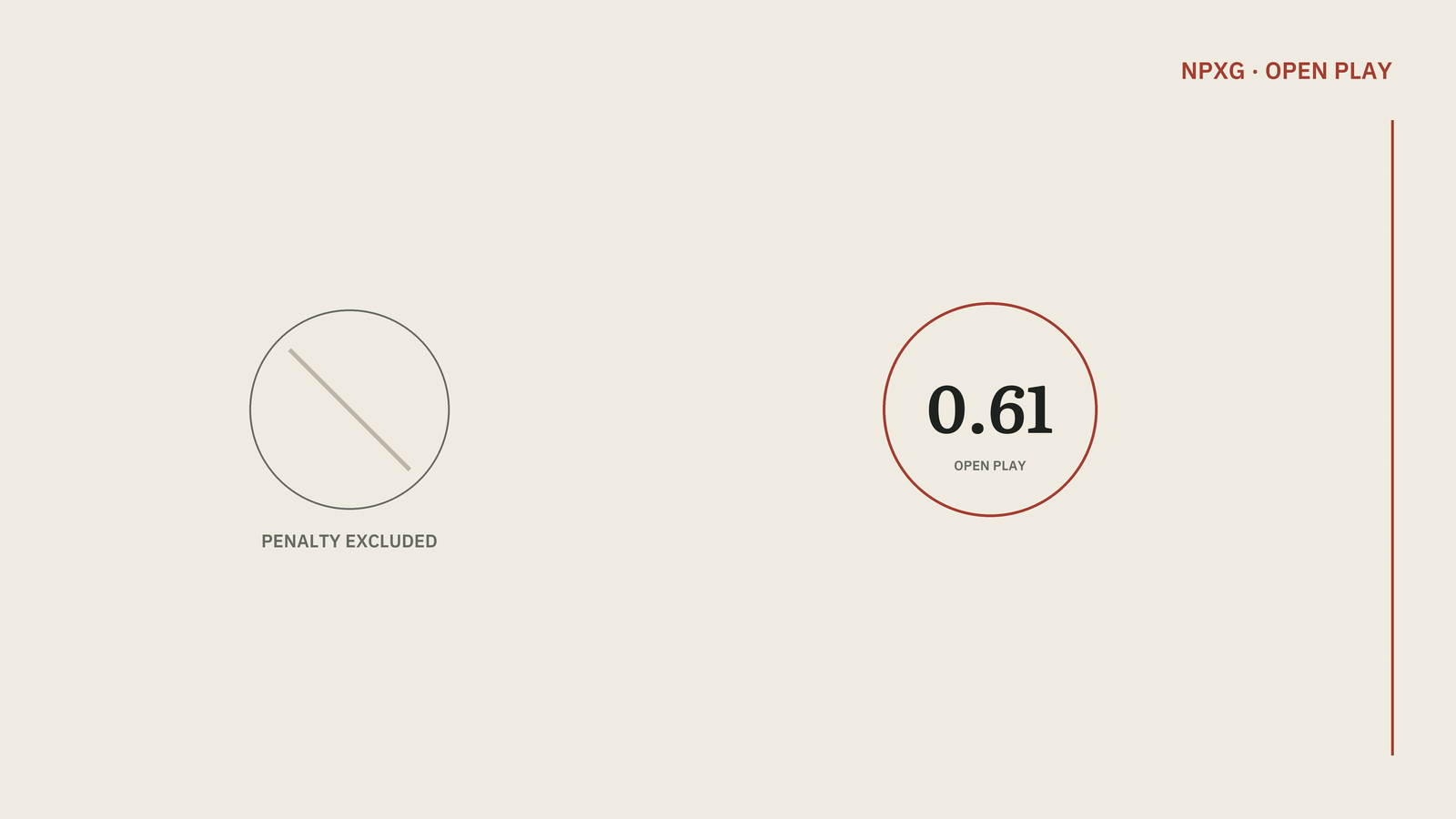
Penalties inflate a striker's expected goals in a way that has nothing to do with open play. Non-penalty xG strips them out for a cleaner read on real chance creation.
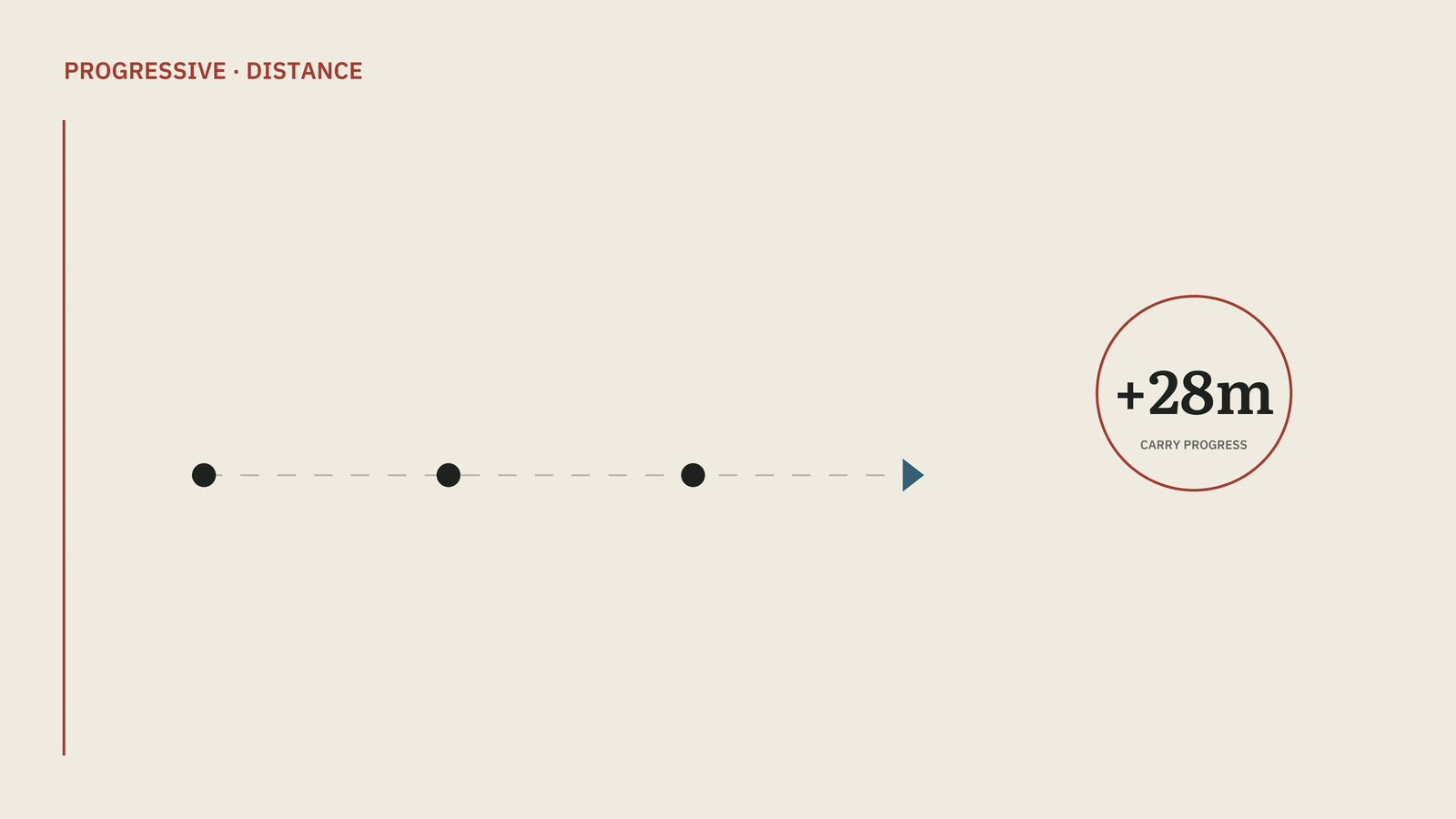
Possession share says who has the ball more, not what they do with it. Progressive passes and carries count how often the ball actually moves toward goal.
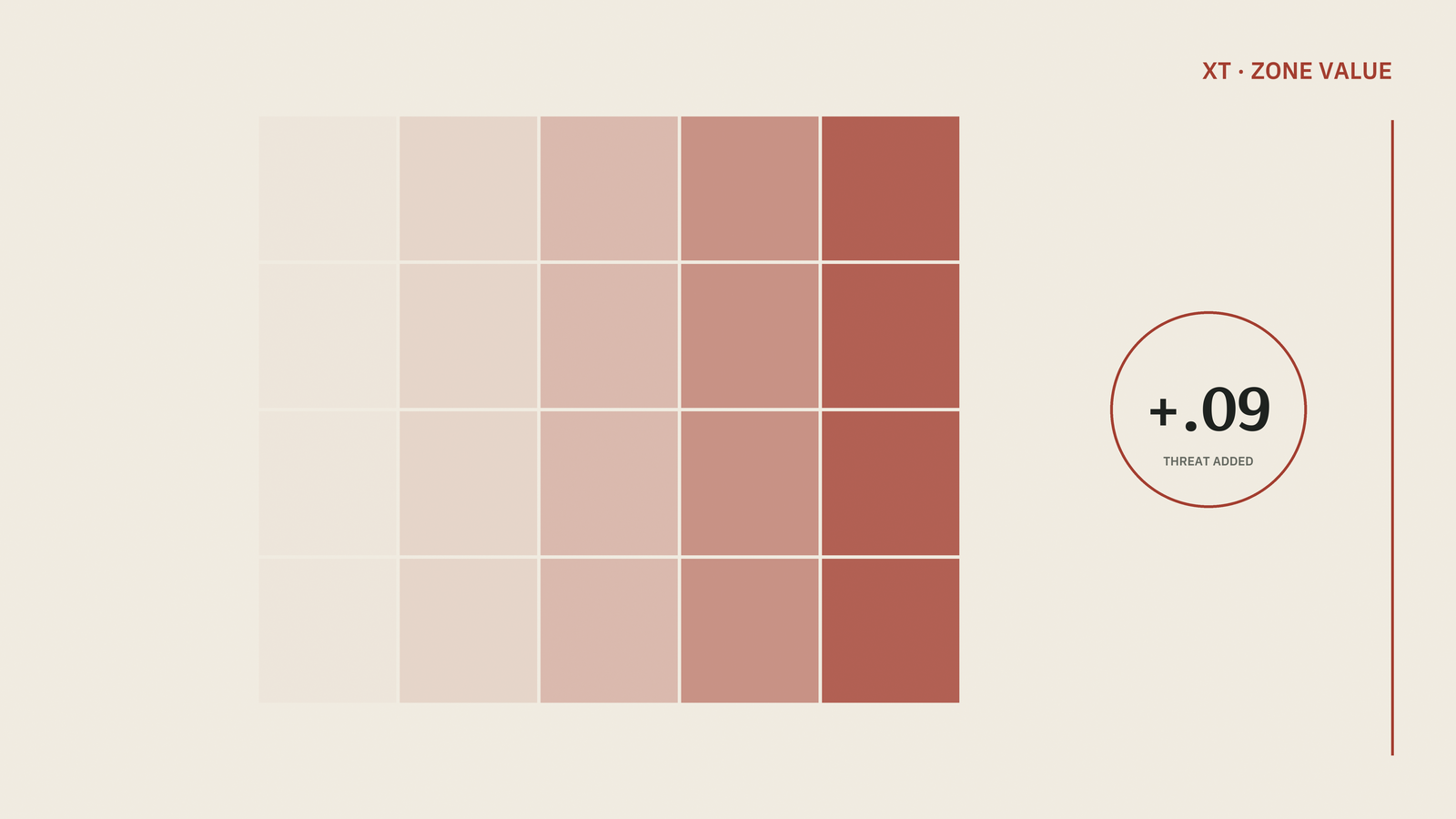
Distance up the pitch isn't the same as danger created. Expected threat values every pass and carry by how much it actually raises the chance of a goal.
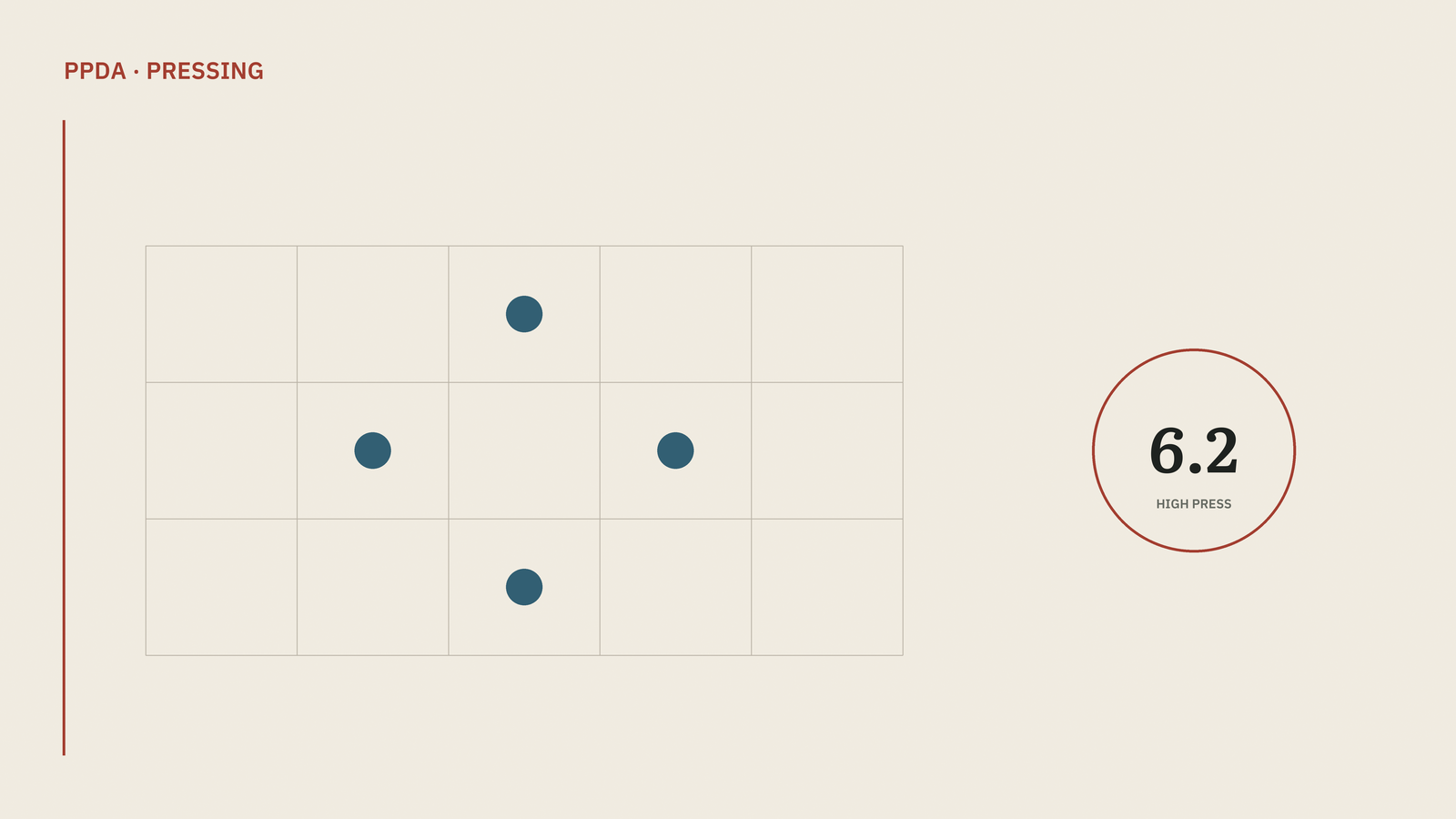
Pressing intensity is hard to judge by eye alone. PPDA counts how many passes a team allows before winning the ball back, turning a vague impression into a comparable number.
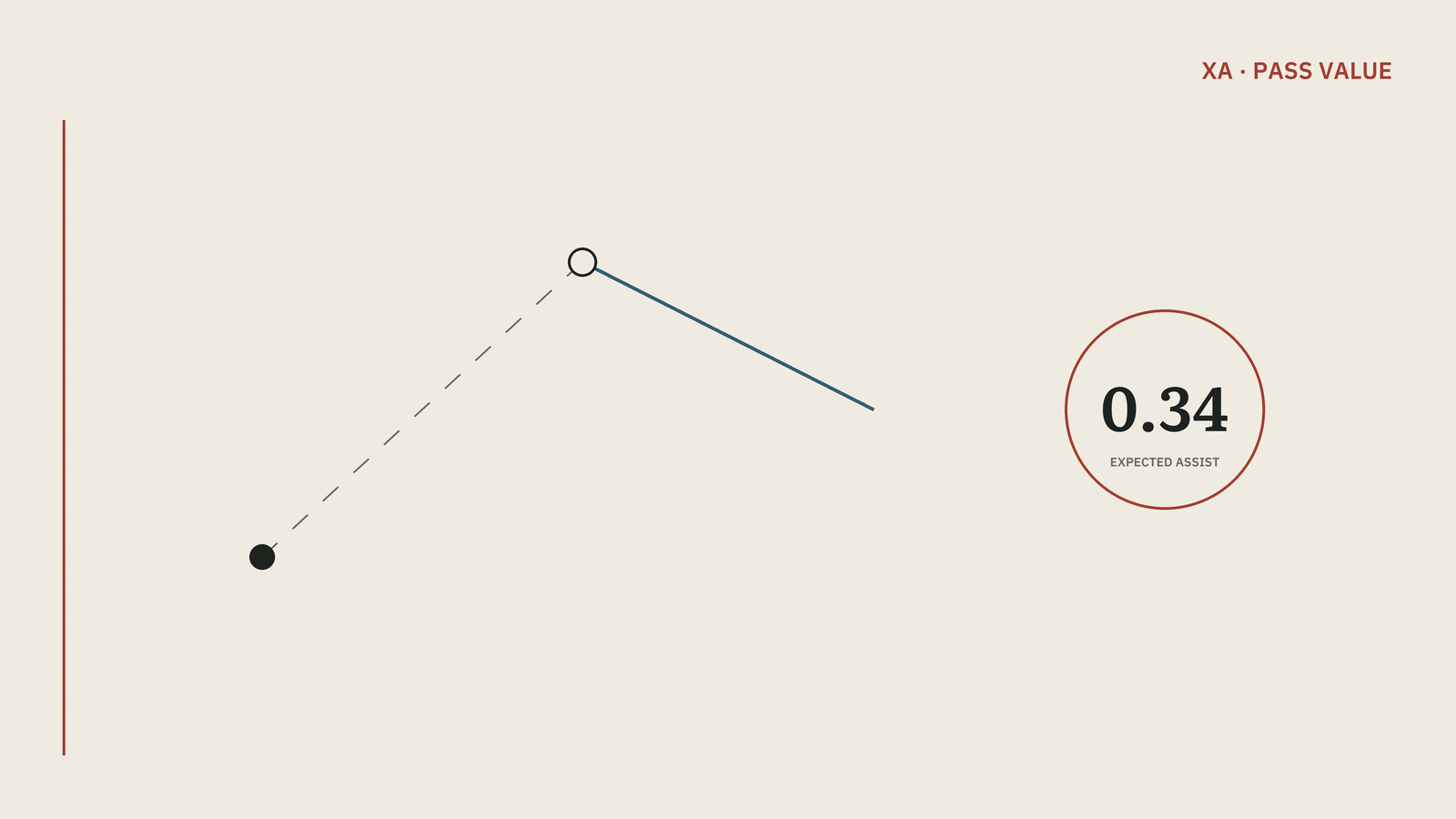
An assist depends on someone else finishing the chance. Expected assists scores the pass itself, showing who is creating danger even when the strikers around them are missing it.
Every shot carries a probability of becoming a goal. Expected goals puts a number on that probability, and gets misread more often than almost any other stat in the modern game.