Formations and roles · Analysis
The Free Man Behind the Defence, and Where He Went
A libero or sweeper is a free defender behind the back line with no opponent to mark. From catenaccio to Beckenbauer and Sammer, and why the role disappeared.

By 01 Owen
· Updated 22 Sep 2026 · 4 min read
A libero is a defender who plays behind the rest of the back line with no direct opponent to mark. The word is Italian for "free". His team-mates each pick up an attacker; he picks up whatever gets past them, which is why English calls him the sweeper. For about thirty years, from the early 1960s to the early 1990s, most of the best teams in Europe had one. Today almost none do, and the reasons for both facts say a lot about how defending has changed.
The idea goes back to the Austrian coach Karl Rappan, who in Switzerland in the 1930s withdrew a player behind his defence in a system that became known as the verrou, the bolt. Italian coaches took it up after the war, Nereo Rocco first and then, most famously, Helenio Herrera. His Inter side won the European Cup in 1964 and 1965 with Armando Picchi as the libero behind a line of man-markers, in the system called catenaccio, "door-bolt". The logic was insurance. When every defender follows his own man all over the pitch, one lost duel means a free run at goal, unless there is a spare player behind to clean up.
Franz Beckenbauer changed what the position was for. He had been a midfielder, and playing as libero for Bayern Munich and West Germany he realised that the free man was also free when his own team had the ball. With nobody assigned to him he could carry it out of defence, join the midfield and arrive in attack, and opponents had no obvious way to deal with a player who had no marker because he had no position. West Germany won the 1972 European Championship and the 1974 World Cup with him as captain. The attacking libero became the German model for a generation. Matthias Sammer played it so well at Euro 96 that he was named player of the tournament and won that year's Ballon d'Or, the last defender of that type to do so. In Italy, Franco Baresi showed that the same reading of the game could work inside Arrigo Sacchi's zonal back four at Milan.
Sacchi's Milan is also where the role began to die. Zonal marking removed the need for a spare man, because defenders cover spaces and each other rather than chasing individual opponents. A high defensive line and an offside trap made a player standing five metres behind everyone else actively harmful, since he played every forward onside. Pressing pushed the whole team up the pitch. And when a single striker became the norm, keeping three central defenders back to deal with one forward looked like a waste of a player. By the 2000s the flat back four was nearly universal at the top level.
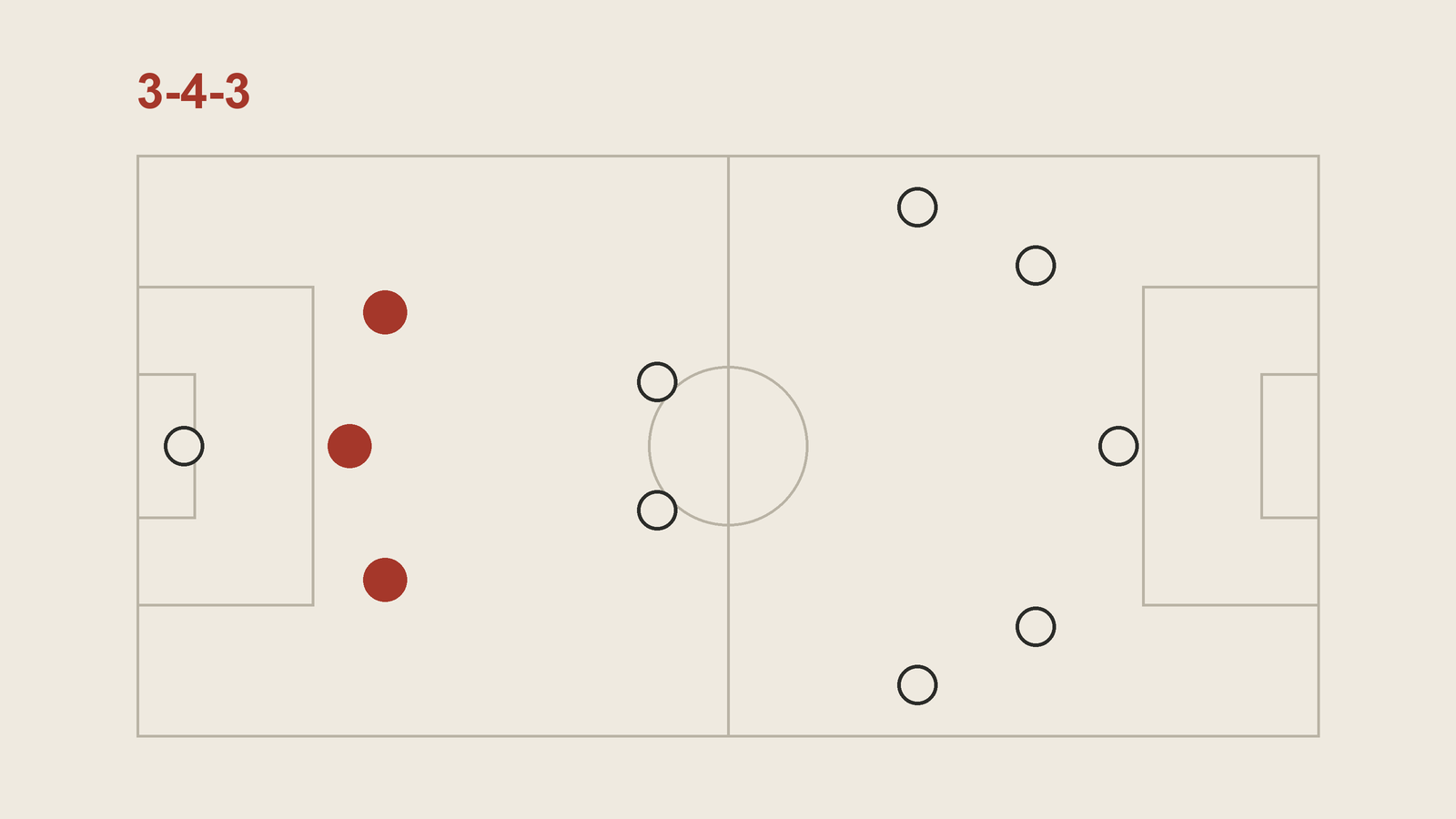
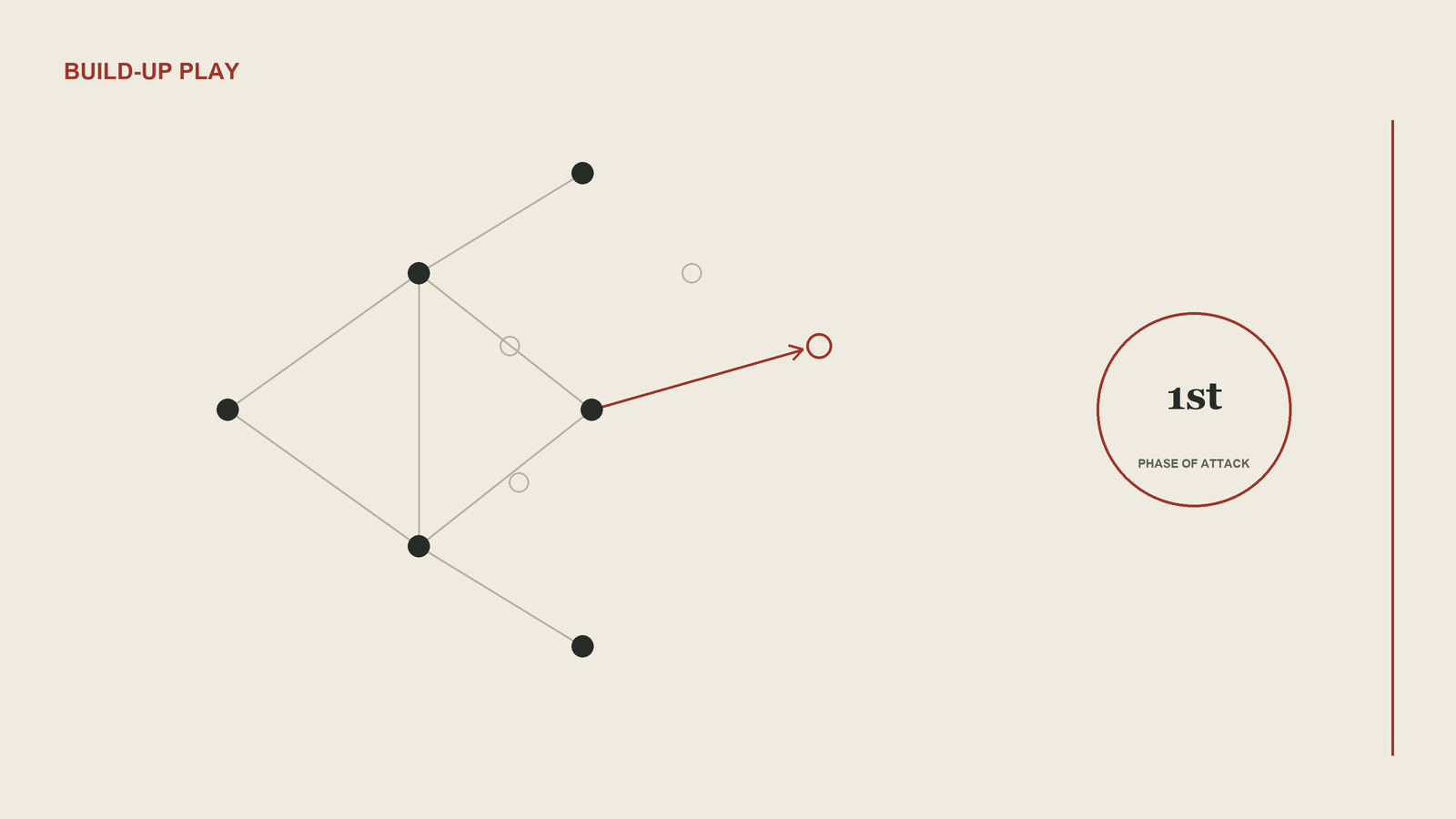
The functions did not vanish; they were shared out. Sweeping up behind a high line is now the goalkeeper's job, which is what the phrase sweeper-keeper means, and Manuel Neuer's starting positions for Bayern and Germany were a libero's positions in all but the shirt. Stepping out of defence with the ball belongs to the ball-playing centre-back, especially the middle man of a back three: Leonardo Bonucci at Juventus, or David Luiz in Chelsea's title-winning 3-4-3 of 2016-17, played passes and made forward runs that Beckenbauer would have recognised. Starting the team's build-up play from deep is shared with the holding midfielder who drops between the centre-backs, and in the most creative cases with a regista. And the safety the libero provided behind a team that has pushed forward is now a collective matter, organised as rest defence rather than entrusted to one player.
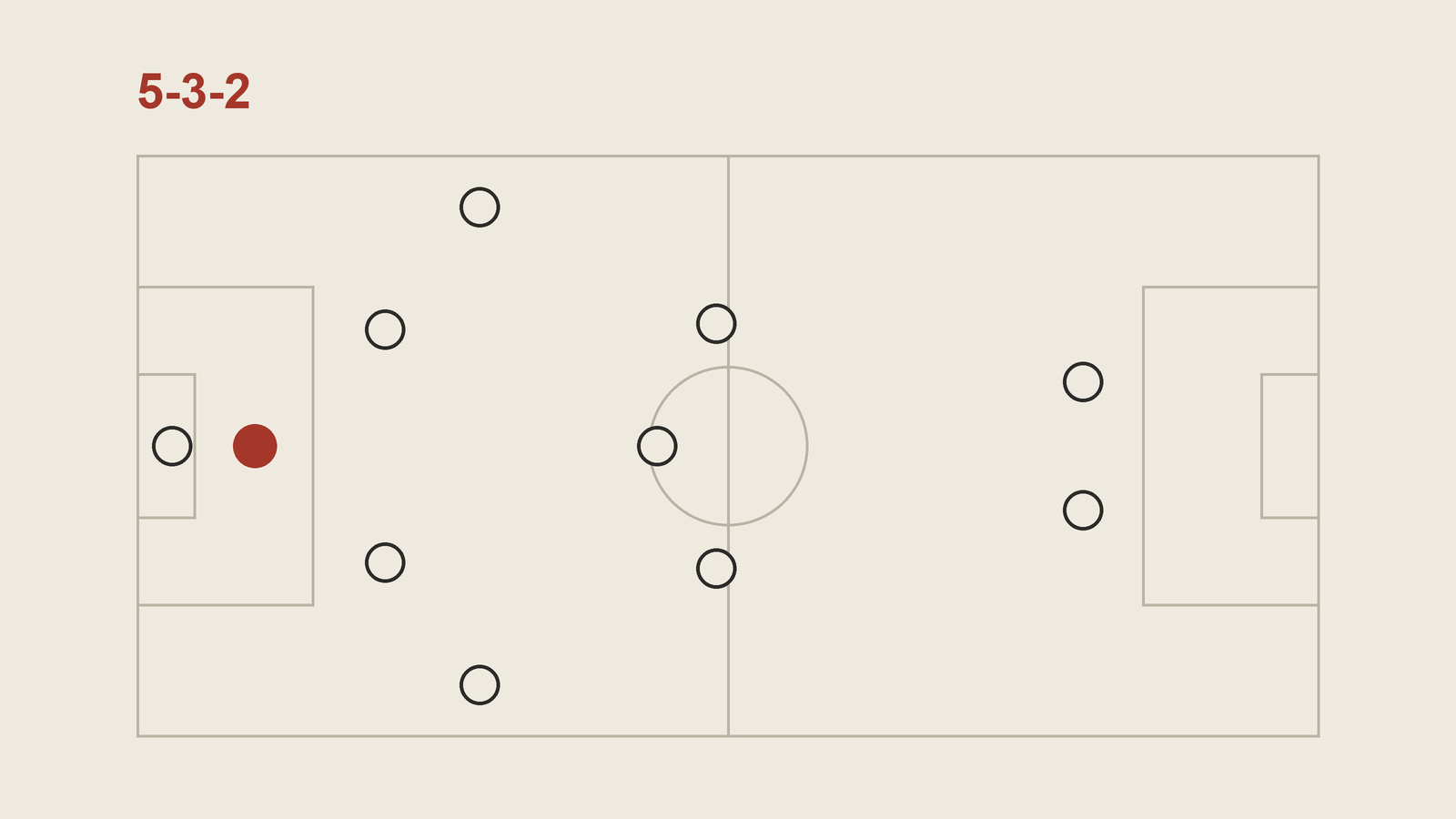
So the libero is best understood as a solution to a problem football no longer has in that form. Man-marking needed a free man. Zonal defending made every defender partly free, and then asked all of them to do some of what he did. You can set up a 5-3-2 on the tactics board, drag the central defender a few metres behind the other four, and see at once why a modern offside line would not survive it.
Is a sweeper the same as a libero?
In most uses, yes: sweeper is the English word and libero the Italian one for the free defender behind the line. Some writers keep "sweeper" for the purely defensive version, the player who only covers behind the markers, and use "libero" for the more complete version associated with Beckenbauer, who also brought the ball forward and joined the attack.
Sources and further reading
- Catenaccio — Wikipedia
- Defender (association football): Sweeper — Wikipedia
- Franz Beckenbauer revolutionized soccer with sweeper role — CNN