Formations and roles · Analysis
Half Midfielder, Half Winger: The Italian Word for a Modern Number Eight
A mezzala is a central midfielder in a three who drifts wide and forward into the half-space. Where the Italian term comes from, what he does, who plays it.

By 01 Owen
· Updated 22 Sep 2026 · 4 min read
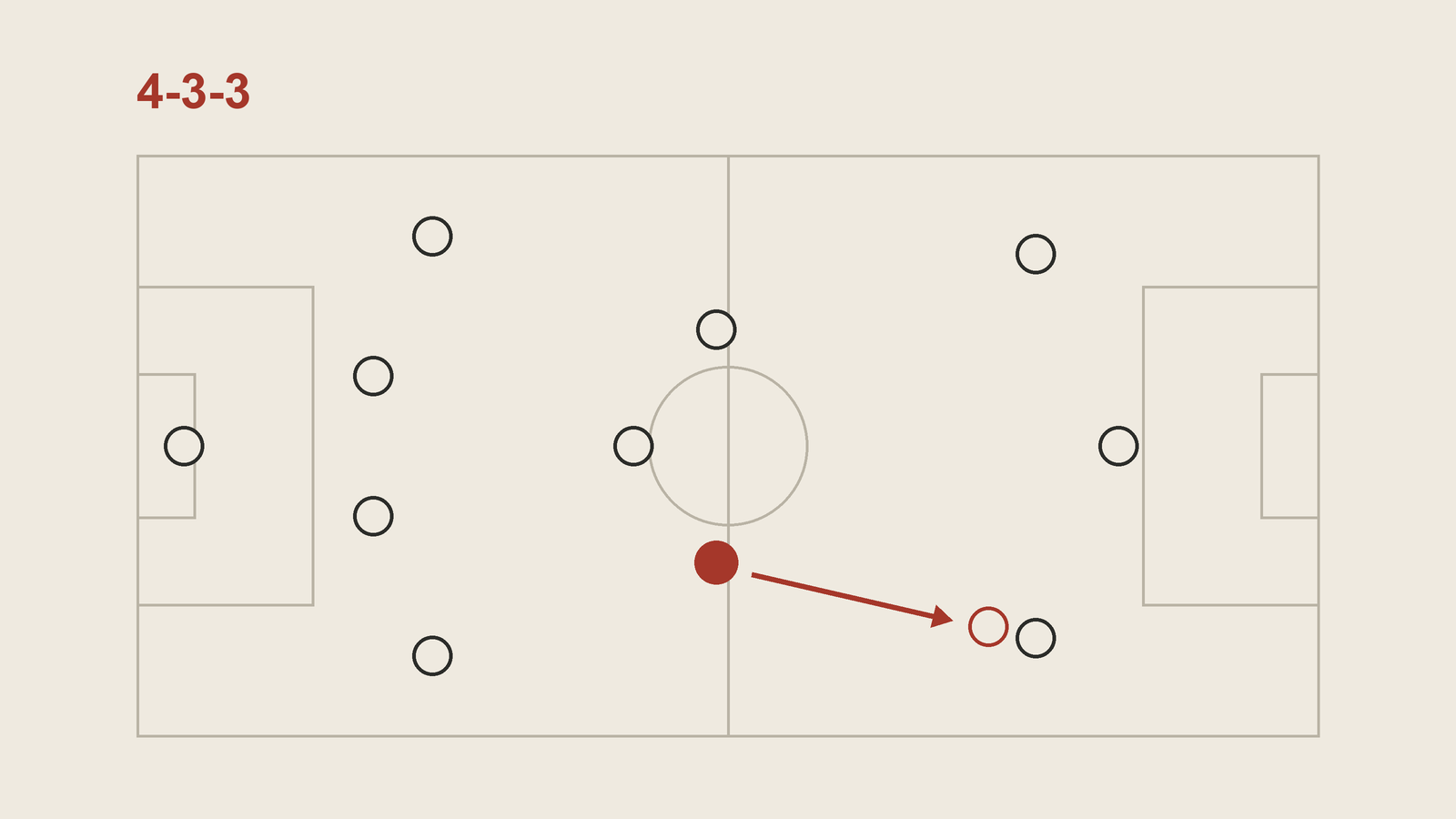
A mezzala is one of the two outer players in a three-man central midfield, a number eight whose natural movement is wide and forward rather than straight up and down. The word is Italian, a contraction of mezza ala, "half winger", and that is a fair description: he starts as a central midfielder and keeps turning up in the channel between the opponent's full-back and centre-back. Plural: mezzali or mezzale, depending on who you ask.
The term is old. In the Italian vocabulary of the 1930s the mezzala was the inside forward, the player between the winger and the centre-forward in the five-man attacks of that era. When those positions disappeared the word stayed in the language and attached itself to the nearest modern equivalent. English-speaking audiences mostly met it through the video game Football Manager, which added it as a player role in its 2018 edition, and it has since become ordinary tactical vocabulary.
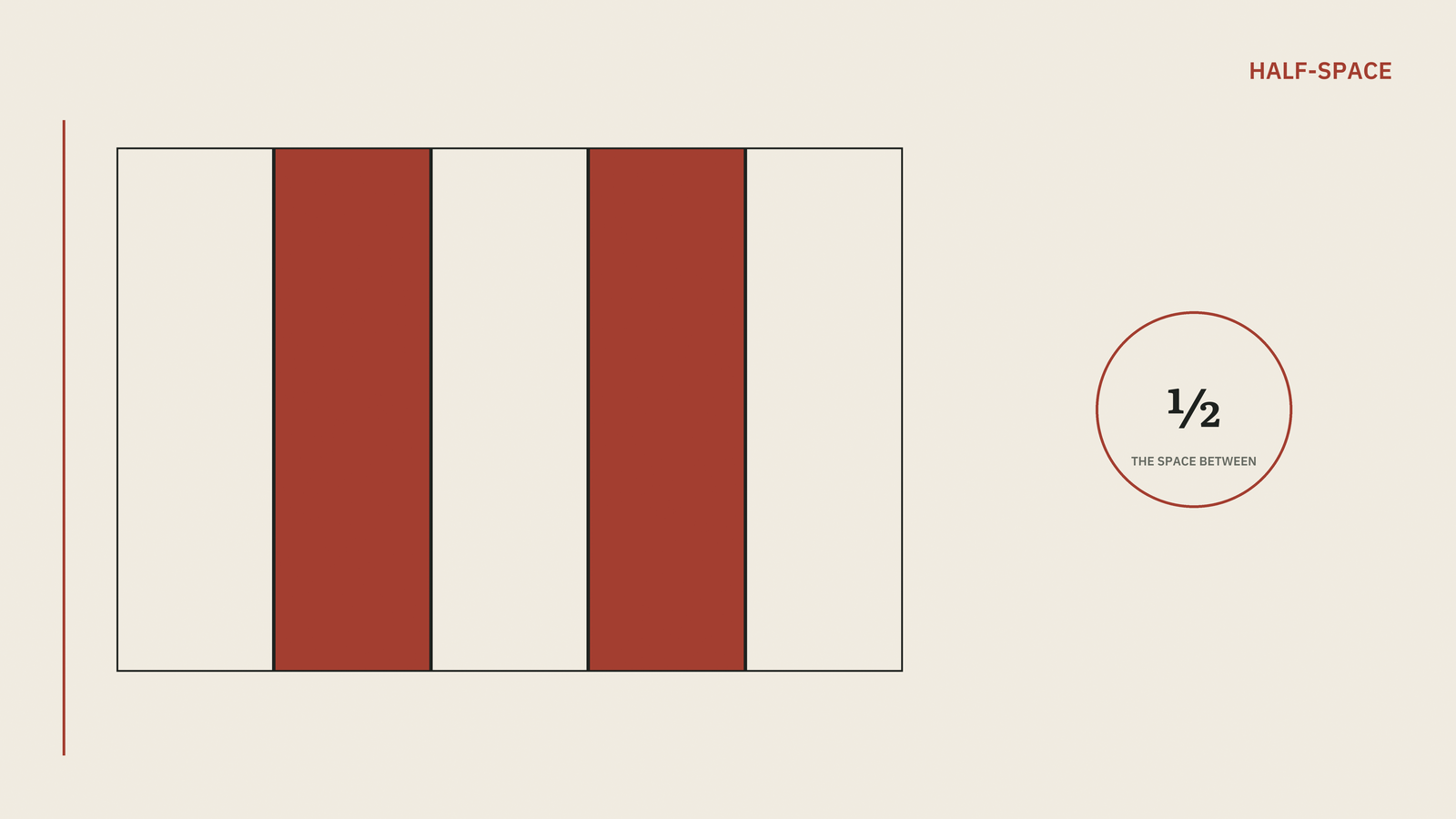
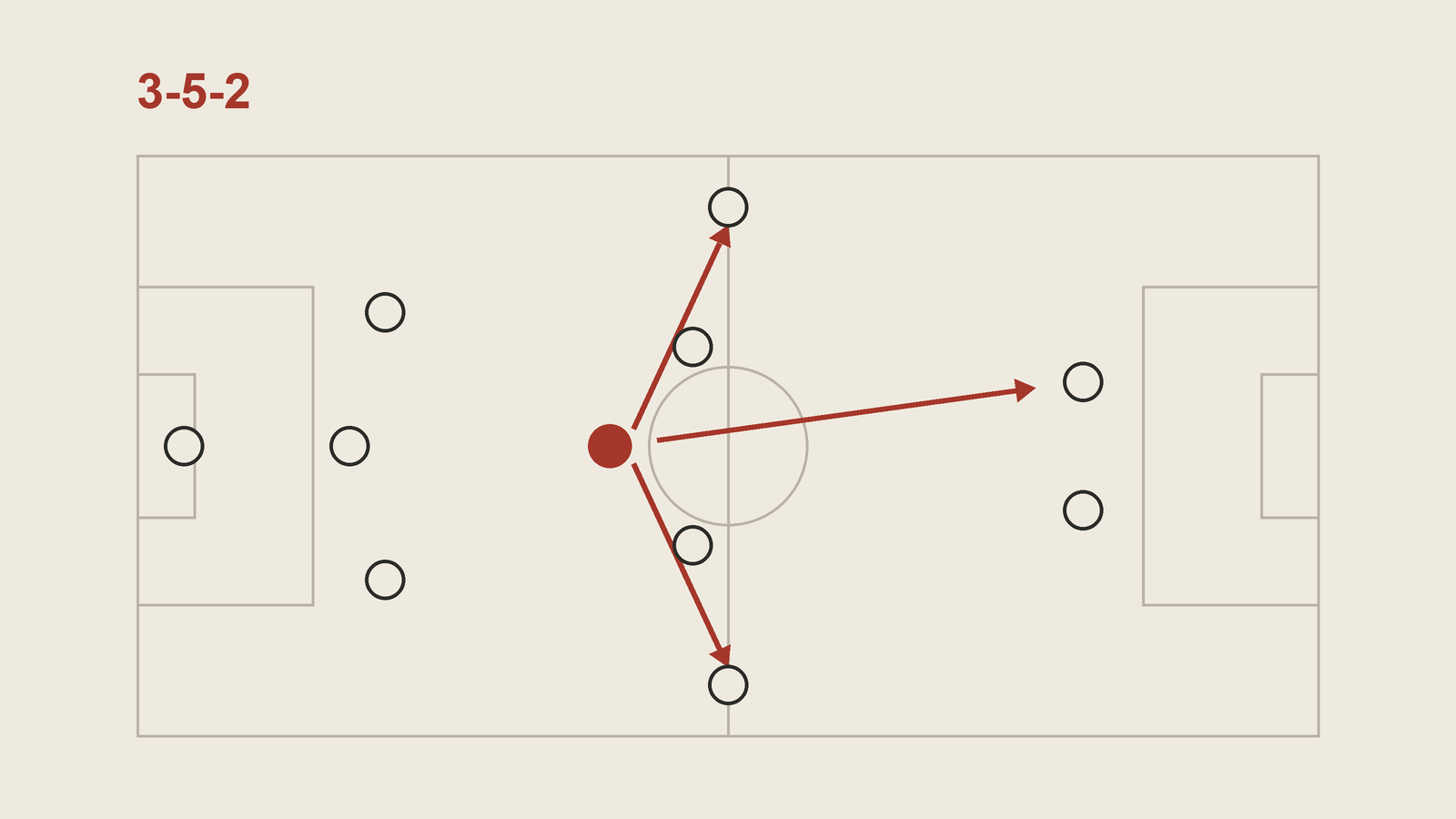
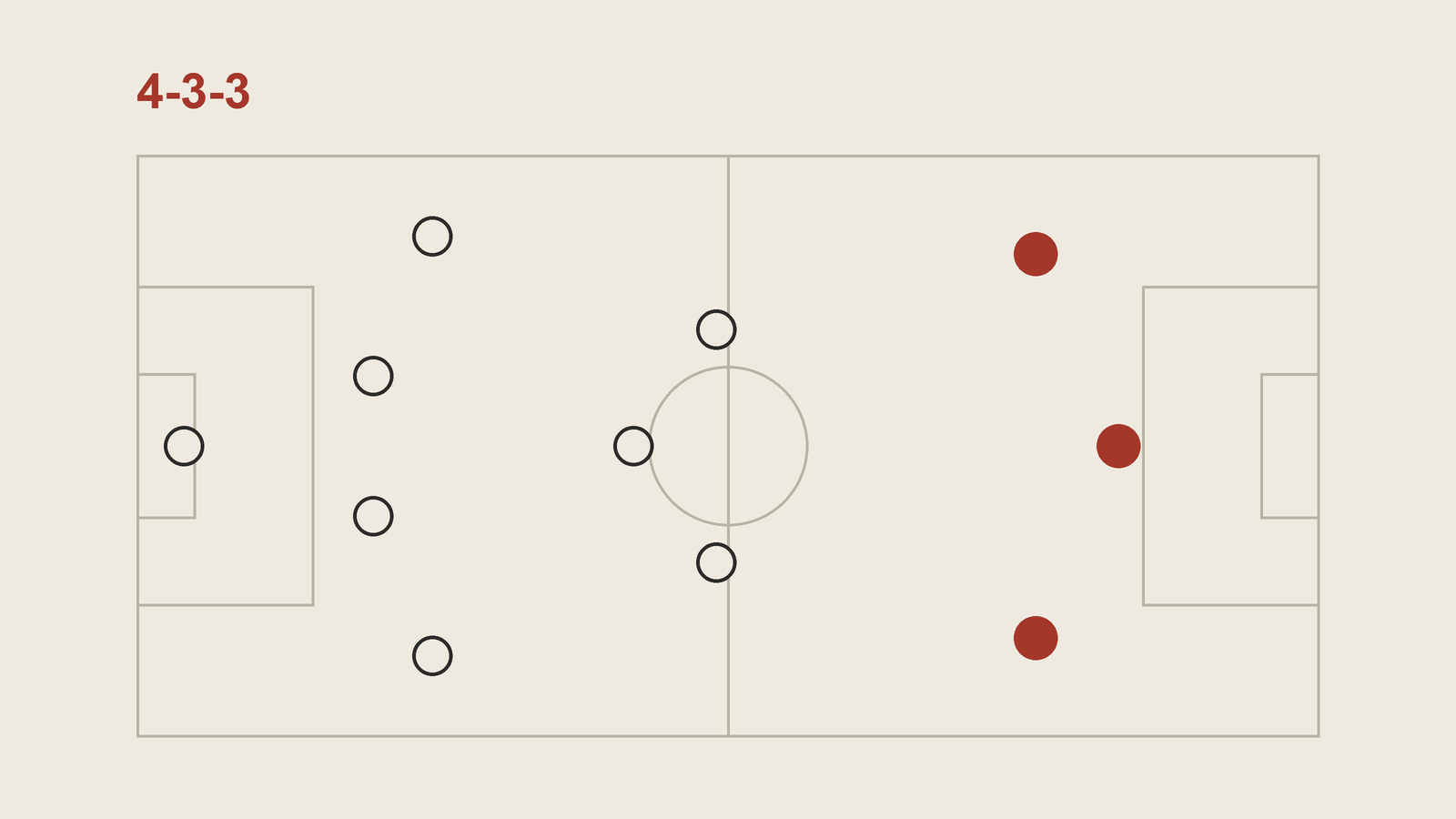
The role is easiest to recognise in a midfield three, such as a 4-3-3 or a 3-5-2. Behind him is a holding player, often a regista, who stays in the centre and lets the two outer midfielders leave. The mezzala's zone is the half-space, the lane between the wing and the centre. From there he can receive on the half-turn facing goal, combine with the winger or wing-back outside him, run beyond the striker into the channel, or arrive late in the box for a cut-back. It is one of the most productive areas of the pitch to receive in, and a midfielder who starts central and arrives there is harder to pick up than a player who stands there from the start.
His movements are tied to the wide player on his side. If the winger stays on the touchline, the mezzala attacks the inside channel. If the winger comes inside, the mezzala can go around him and provide the width himself, which is where the "half winger" part still applies. Together with the full-back they form a triangle on one flank, and rotating the three positions is one of the standard ways of creating an overload against a full-back and a wide midfielder. In a 3-5-2 the same triangle is formed with the wing-back and the wide centre-back.
Examples help more than definitions. Coaches' Voice points to Kevin De Bruyne at Manchester City, Ángel Di María in Real Madrid's 2014 Champions League side and Paul Pogba at Juventus. Nicolò Barella at Inter in Inter’s 2023 Champions League final side is an Italian example, a right-sided midfielder in a 3-5-2 who spends much of the game high in the right half-space. Arturo Vidal and Claudio Marchisio did the job either side of Andrea Pirlo at Juventus. What they share is the ability to carry the ball, to play the final pass and to score from midfield.
It is worth separating the mezzala from neighbouring labels. A box-to-box midfielder covers the length of the pitch through the middle; the mezzala's movement is diagonal and towards the flank. A number ten plays between the lines from the start and has a striker's freedom from defensive work; the mezzala begins in the midfield line and has to get back into it. In progressive actions data he tends to show up with a lot of carries into the final third and a lot of receptions in advanced wide areas, more than a typical central midfielder.
The cost is the space he leaves. When both mezzali go forward, the holding midfielder is alone in front of the defence, which is the familiar weak point of any single-pivot system, and a turnover at that moment asks a great deal of the team's rest defence. That is why many teams play one mezzala and one more conservative midfielder rather than two, and why the full-back on the adventurous side is often told to stay back. You can set up a 4-3-3 on the tactics board, push the right-sided number eight up into the channel outside the striker and see how much room is left behind him.
Is a mezzala the same as a number eight?
A mezzala is one kind of number eight. "Number eight" is a broad label for a central midfielder who plays between the holding player and the attackers. The mezzala is the version whose movement goes wide and forward into the half-space and the channel, as opposed to a box-to-box eight who runs through the centre or a deeper eight who mainly circulates the ball.
Sources and further reading
- The mezzala: explained — The Coaches' Voice
- The half-spaces: football tactics explained — The Coaches' Voice