Formations and roles · Analysis
Attacking midfielder: the 10 who plays between the lines
An attacking midfielder (CAM, the 10) plays between the lines and creates chances. Trequartista, enganche, why the classic 10 declined and where it plays now.
By 01 Owen
· Updated 3 Oct 2026 · 6 min read
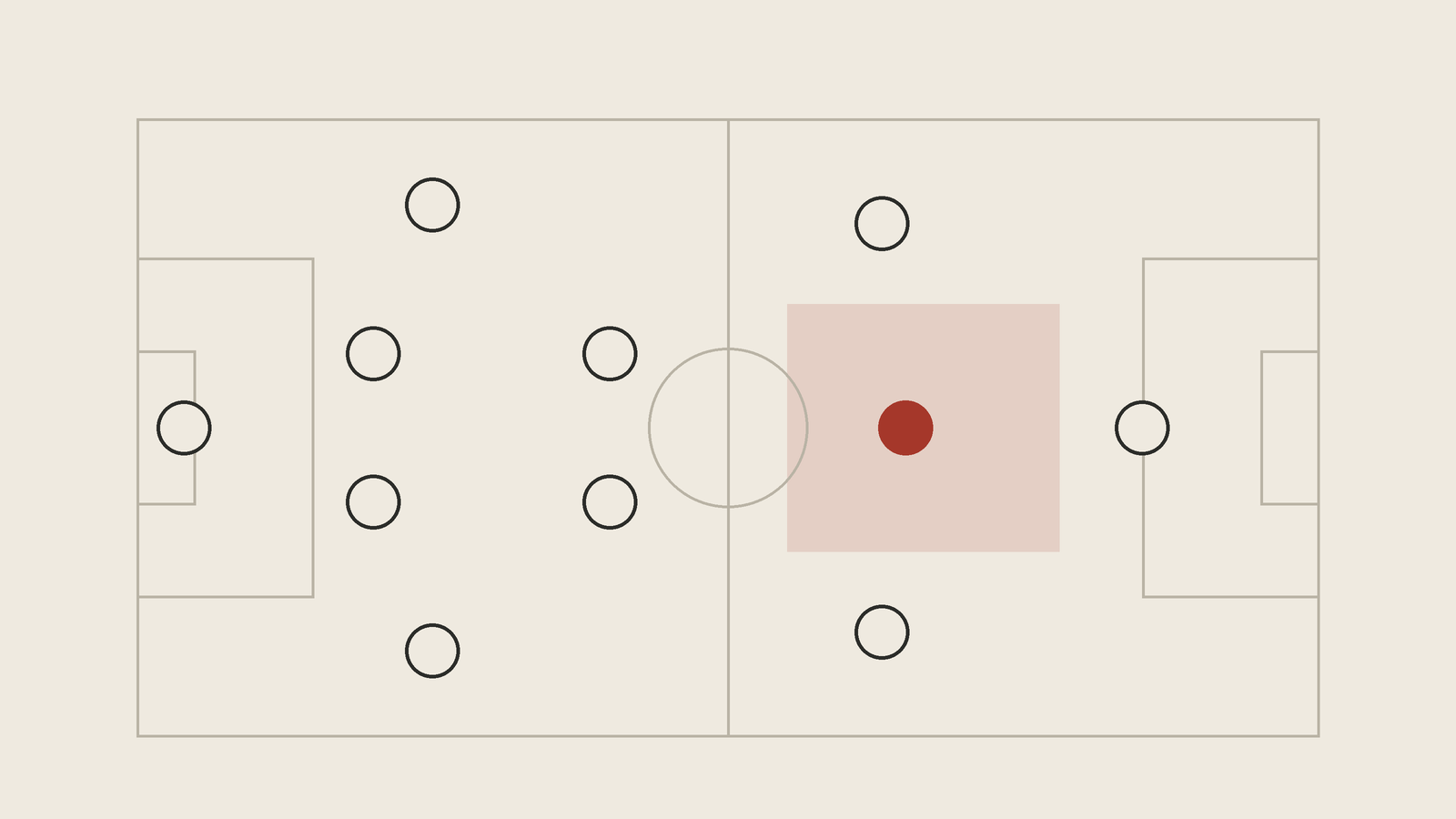
An attacking midfielder plays between the opponent's midfield and defence, behind the striker, and his main job is to create chances. He is also called the CAM, the playmaker or simply the 10, after the shirt the most creative player in a team traditionally wore.
English football sometimes says he plays "in the hole". Italy calls the classic version the trequartista or fantasista, Argentina the enganche, Brazil the meia atacante and Spain the mediapunta. All describe the same space: close enough to goal to threaten it, deep enough to receive the ball facing forward.
Where the 10 comes from
In the 2-3-5, the 10 was the inside left, one of two inside forwards next to the centre-forward, as explained in the guide to football positions. As formations pulled players back into midfield, the number stayed with the most attacking midfielder, and it became associated with the team's creative star. Pelé, Zico, Michel Platini and Diego Maradona made it the most famous shirt in football. Where a team used a true 10, tactics were often built around him, with freedom to roam and team-mates to do his running.
What an attacking midfielder does
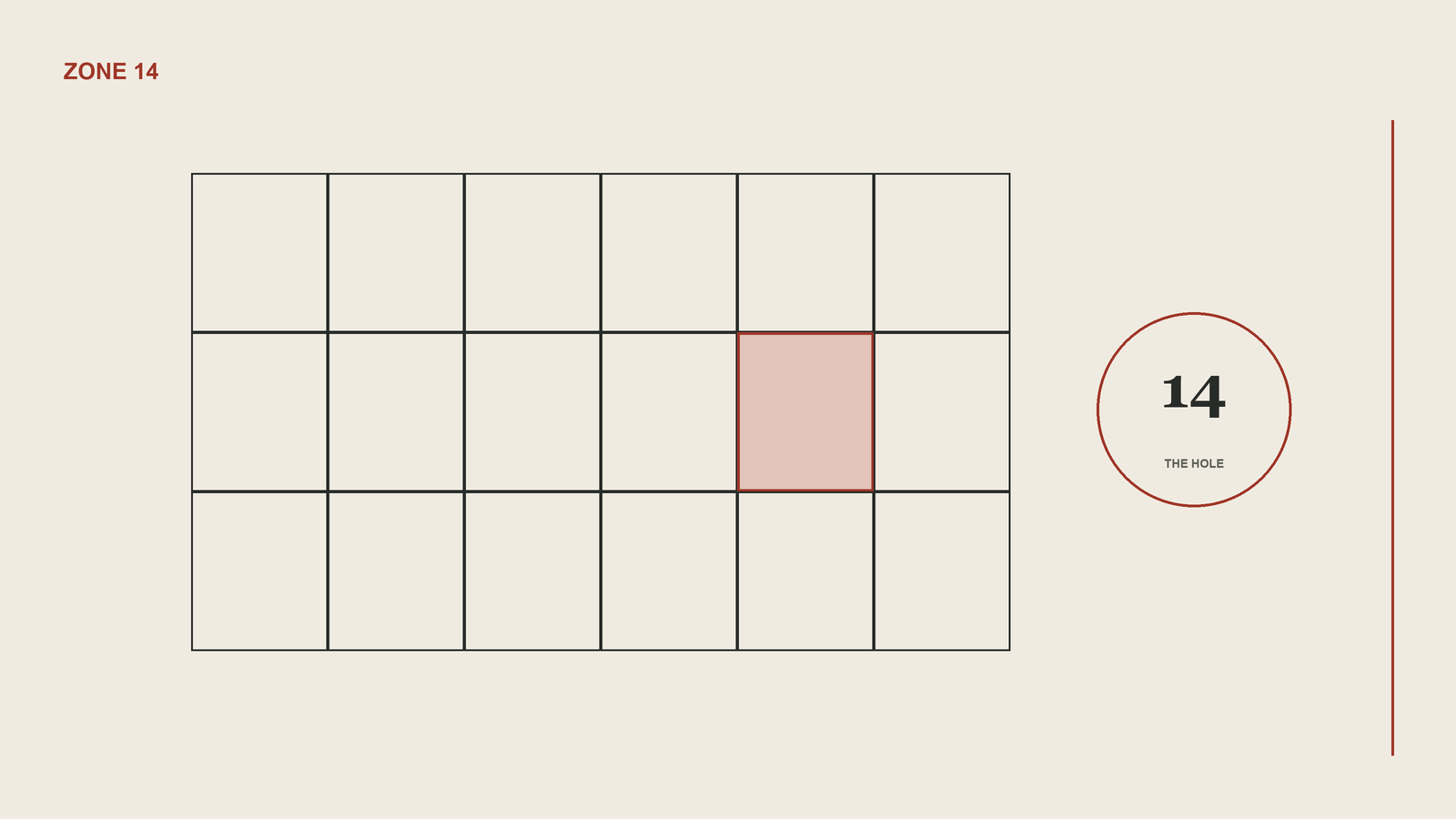
With the ball, the 10 receives between the lines, turns and plays the final pass, a through ball, a one-two or a shot from the edge of the box. The most valuable patch for him is the central area just outside the penalty area, zone 14, and the channels either side of it, the half-spaces. He also links the midfield with the striker and supports him as the team's second central attacking threat.
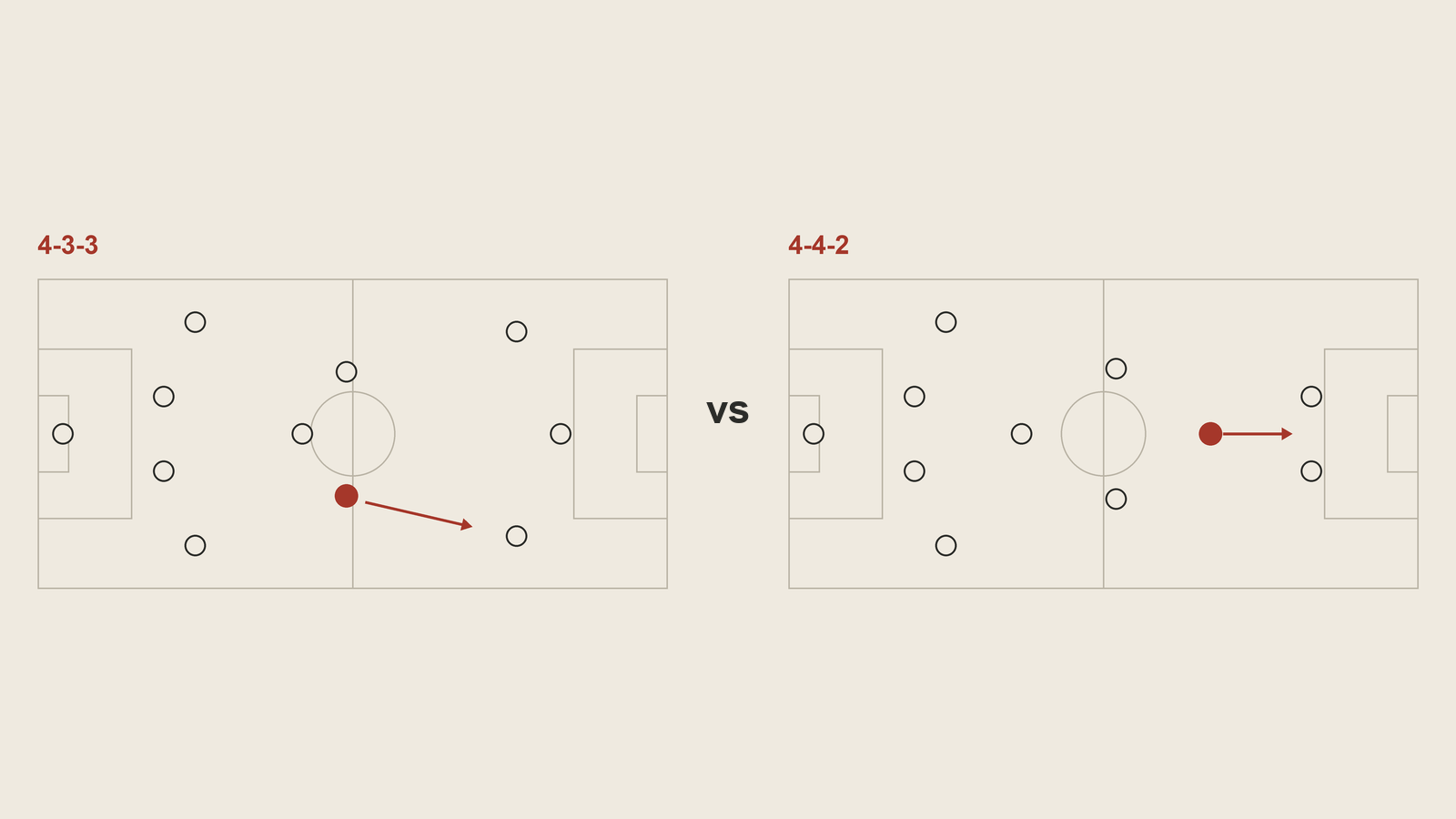
Without the ball, the modern 10 presses. Coaches' Voice describes how in a 4-2-3-1 the striker often starts the high press while the 10 pushes up next to him, or stays a little deeper to mark the opponent's defensive midfielder.
Kinds of 10
- The classic playmaker, the trequartista or enganche, controls the game from the hole with vision, dribbling and passing. Juan Román Riquelme is one of the names most often given for the enganche.
- The "nine and a half", a phrase Michel Platini used for Roberto Baggio: halfway between a goalscoring forward and a playmaking midfielder.
- The runner, who attacks the box rather than dictating. Coaches' Voice gives Dele Alli at Mauricio Pochettino's Tottenham, who often ran beyond the centre-forward, and Thomas Müller at Hansi Flick's Bayern, who rotated with the wide players and added presence in the box.
- The deep-starting 10, who drops into midfield to collect the ball and set the tempo before pushing forward, closer to a regista in style. Zinedine Zidane, Kaká, Andrés Iniesta and Mesut Özil moved between these roles.
One role, many names
Every football culture has its own word for the 10, and each word stresses something different.
- Trequartista (Italy) means a player of the last three-quarters of the pitch, the space between midfield and attack. Italy also says fantasista, a word for the creative, unpredictable player who invents things.
- Enganche (Argentina and Uruguay) means the hook or the link: the player who connects the midfield with the strikers.
- Meia atacante (Brazil) is the attacking midfielder; the most creative version is often called the meia-armador.
- Mediapunta (Spain) describes a player halfway between midfielder and forward.
- Zehner (Germany) simply means "the ten", next to the Sechser and the Achter.
Not every attacking midfielder is a trequartista. Wikipedia distinguishes the classic creative playmaker from more vertical attacking midfielders, who mainly link play, hold the ball and give the final pass, closer to a second striker.
False 10s
Italian football also uses the idea of a false attacking midfielder: a player who starts as the 10 in a 4-3-1-2 or a diamond but keeps dropping deeper to organise play, pulling opponents with him. Wikipedia names Riccardo Montolivo and Thiago Motta under Cesare Prandelli, and Wayne Rooney under Alex Ferguson. A different kind of false 10 drifts wide instead, helping the winger and full-back overload the flank; Mesut Özil was used this way with Germany.
Why the classic 10 declined
As defending became more compact and pressing higher, the game squeezed the space between the lines that the classic 10 lived in. Formations like the 4-2-3-1 kept a central attacking midfielder, but asked him to press, track back and work off the ball. Jonathan Wilson, quoted on Wikipedia, notes that a playmaker who does not defend can cause his team problems when possession is lost. A 10 who walks in defence leaves his team a player short, and few coaches could afford that any more.
Where the 10 lives now
The 10 did not disappear; its functions moved.
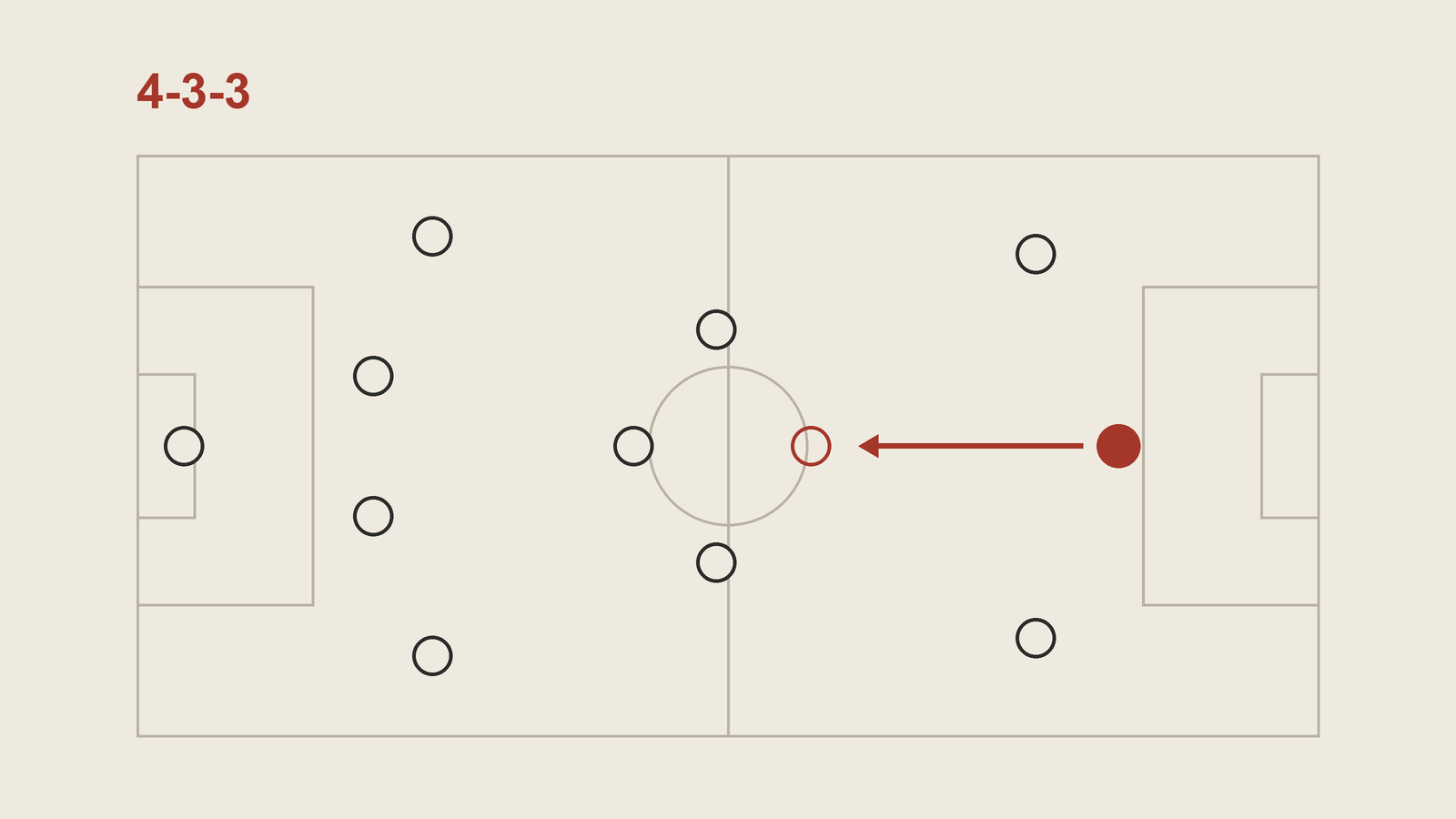
- To the half-spaces: in a 4-3-3, the two attacking midfielders either side of the 6 often do the 10's work from wider starting points, the role Italy calls the mezzala.
- To the striker: a false nine drops from the forward line into the 10's space and drags centre-backs with him. Coaches' Voice notes Harry Kane often dropping into midfield for England in exactly this way.
- To the wings: inverted wingers cut inside to play the final pass from zone 14.
Teams that still use a classic 10, usually in a 4-2-3-1 or a diamond, give him two holding midfielders behind so his defensive gaps are covered.
What the numbers show
Attacking midfielders are judged on chance creation. Expected assists (xA) measure the quality of the chances a player gives team-mates, and shot-creating actions count the passes, dribbles and fouls won that lead to a shot. Receptions between the lines and progressive actions show how often he gets the ball where it hurts.
How to spot the 10 in a match
Watch the space between the opponent's midfield and defence. The 10 is the player who keeps appearing there, often with his body half-turned towards goal, and who receives from the 6 or the centre-backs with one pass. When the team loses the ball, watch whether he presses with the striker or drops onto the opponent's 6.
What does CAM mean in football?
CAM stands for central attacking midfielder, the code football games and scouting databases use for the midfielder who plays behind the striker and creates chances. It is the same role as the attacking midfielder or the 10.
What is the number 10 position in football?
The 10 is the attacking midfielder or playmaker who plays between the opponent's lines, behind the striker. The number goes back to the inside left of the 2-3-5 and became tied to the team's most creative player.
What is the difference between a trequartista and an enganche?
Both are classic playmakers who play behind the strikers. Trequartista is the Italian word, meaning a player in the last quarter of the pitch; enganche is the Argentine word, meaning the "hook" that links midfield and attack. They describe very similar roles.
Why did the classic number 10 decline?
Compact defences and high pressing reduced the space between the lines, and coaches began to demand that every attacker defend. A 10 who did not press left his team short, so his creative work moved to the half-spaces, the wings and the false nine.
Sources and further reading
- Playmaker — Wikipedia
- Midfielder — Wikipedia
- The 4-2-3-1: football tactics explained — The Coaches' Voice
- Squad number (association football) — Wikipedia